




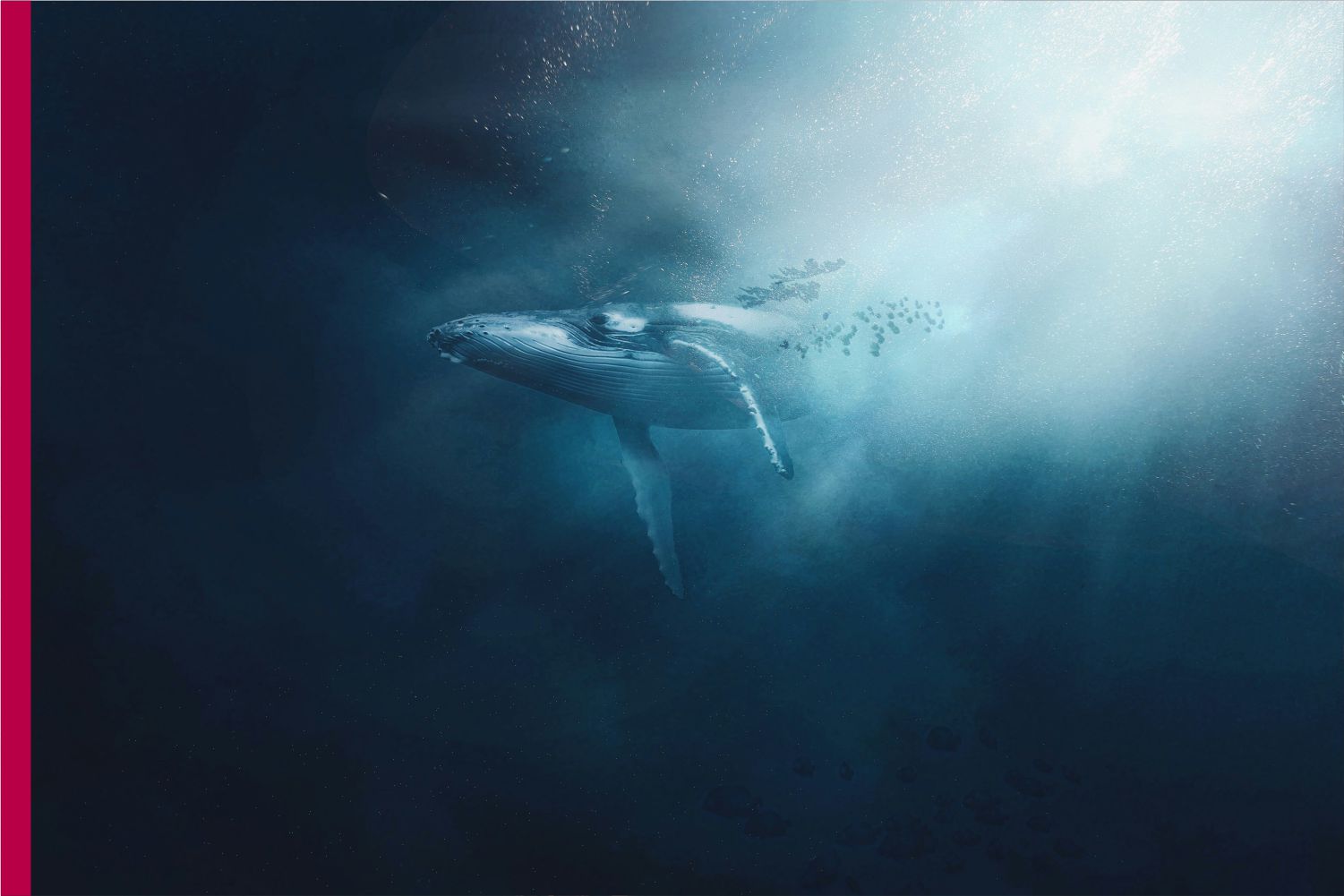
When we think of the biggest creature on Earth, our imagination often goes to dinosaurs or mythical beasts. Yet, the title of the largest mammal and indeed the largest animal ever known to have lived belongs to a living giant that roams our oceans today: the blue whale. This magnificent marine mammal is not only enormous in size but also remarkable in behavior, biology, and ecological importance. Exploring the world of the blue whale gives us a deeper appreciation for the wonders of nature hidden beneath the ocean’s surface.
The blue whale (Balaenoptera musculus) can grow up to an astonishing 100 feet long, roughly the length of a basketball court. These gentle giants can weigh between 150 and 200 tons, making them heavier than 30 elephants combined. Their heart alone can be the size of a small car, beating slowly and powerfully as they glide through the depths. A single heartbeat can sometimes be heard from miles away using special equipment. Despite their massive size, blue whales have a surprisingly streamlined body, allowing them to swim gracefully at speeds up to 20 miles per hour when needed.
One of the most fascinating aspects of blue whales is their diet. Although they are the biggest mammal on Earth, their primary food source is tiny shrimp-like creatures called krill. During feeding season, a blue whale can consume up to four tons of krill in a single day. They use a technique called “lunge feeding,” where they open their enormous mouths and engulf huge volumes of water and prey, then filter out the water using baleen plates. This efficient feeding strategy supports their massive size and keeps them energized for long migrations.
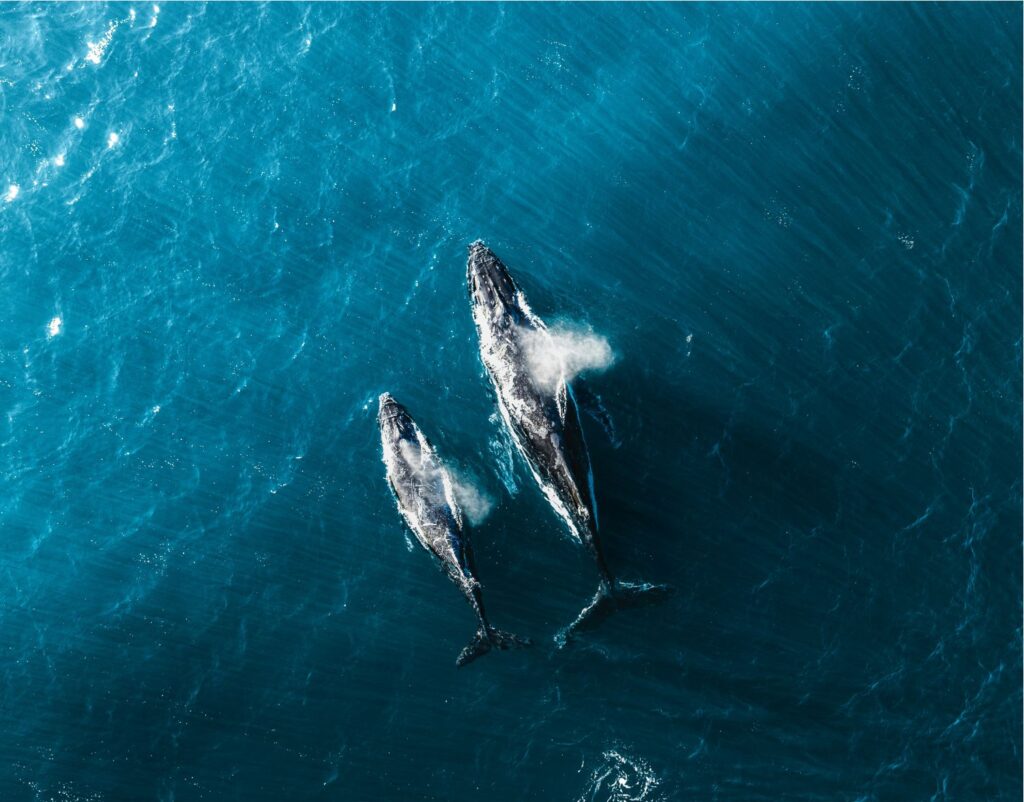
Blue whales are known for their incredible vocalizations, which are among the loudest sounds produced by any animal. Their calls can reach up to 188 decibels, louder than a jet engine. These low-frequency sounds travel long distances underwater, allowing whales to communicate with one another across hundreds of miles. Scientists believe these vocalizations help them navigate, find mates, and maintain social bonds.
Despite their size and strength, blue whales face numerous threats. During the 20th century, commercial whaling drastically reduced their population, bringing them close to extinction. Even though hunting is now banned, they remain endangered due to modern challenges such as ship strikes, ocean noise pollution, plastic waste, and climate change affecting their food supply. Conservation efforts worldwide continue to protect these gentle giants and restore their populations.
The presence of blue whales in our oceans plays a crucial ecological role. Their movements help circulate nutrients through the water, supporting marine life and maintaining the balance of ocean ecosystems. In many ways, they act as gardeners of the sea, contributing to the health of the marine environment.
The blue whale serves as a reminder of nature’s incredible diversity and the importance of preserving it. As the biggest mammal on Earth, it stands as a symbol of both the power and fragility of our natural world. Understanding and protecting this majestic species ensures that future generations will continue to marvel at the extraordinary life thriving beneath the waves.