








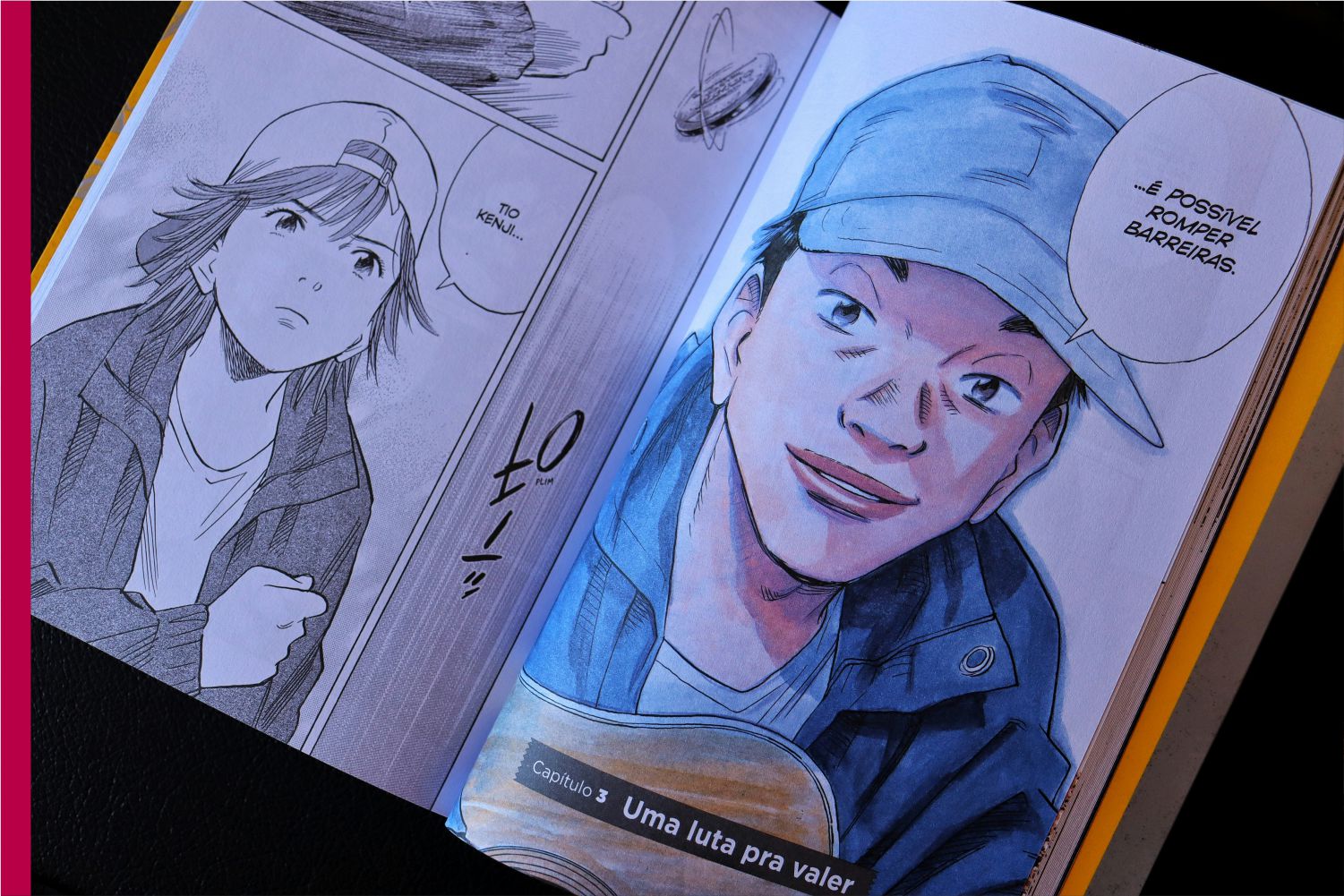
A character artist is one of the most imaginative and essential roles in the world of digital art, gaming, animation, and film. These artists bring ideas to life by creating characters that audiences can connect with emotionally, visually, and narratively. Behind every hero in a video game, every animated protagonist, and every fantastical creature in a movie lies the hard work, creativity, and technical skill of a character artist. Their craft combines artistry, storytelling, and technological expertise, making it a unique profession where creativity meets innovation.
At the heart of character art is the ability to imagine and design personalities in visual form. A character artist begins by understanding the story, setting, and role of the character. Whether it’s a fierce warrior, a futuristic robot, a friendly cartoon animal, or a mythical creature, the design must reflect personality traits, emotions, behaviors, and even cultural backgrounds. Artists often sketch multiple concepts, exploring different shapes, silhouettes, and expressions until the perfect design emerges. These initial drawings serve as the foundation for further development.
In the digital age, character artists rely heavily on advanced software to sculpt and refine their creations. Programs like ZBrush, Blender, Maya, and Photoshop allow them to add intricate details, textures, and realism. From creating lifelike skin and clothing to designing armor, hair, or fur, the process requires both artistic vision and technical mastery. 3D character artists go a step further by building detailed models that can be animated, ensuring that every movement feels natural and believable.
A successful character artist pays close attention to anatomy, proportion, and gesture. Understanding how the human body moves, how muscles flex, and how expressions form is essential for designing convincing and appealing characters. Even stylized or exaggerated characters need a sense of believability, which comes from a strong foundation in anatomy and design principles. Studies of animals, fantasy creatures, and everyday people also help artists expand their creative vocabulary.
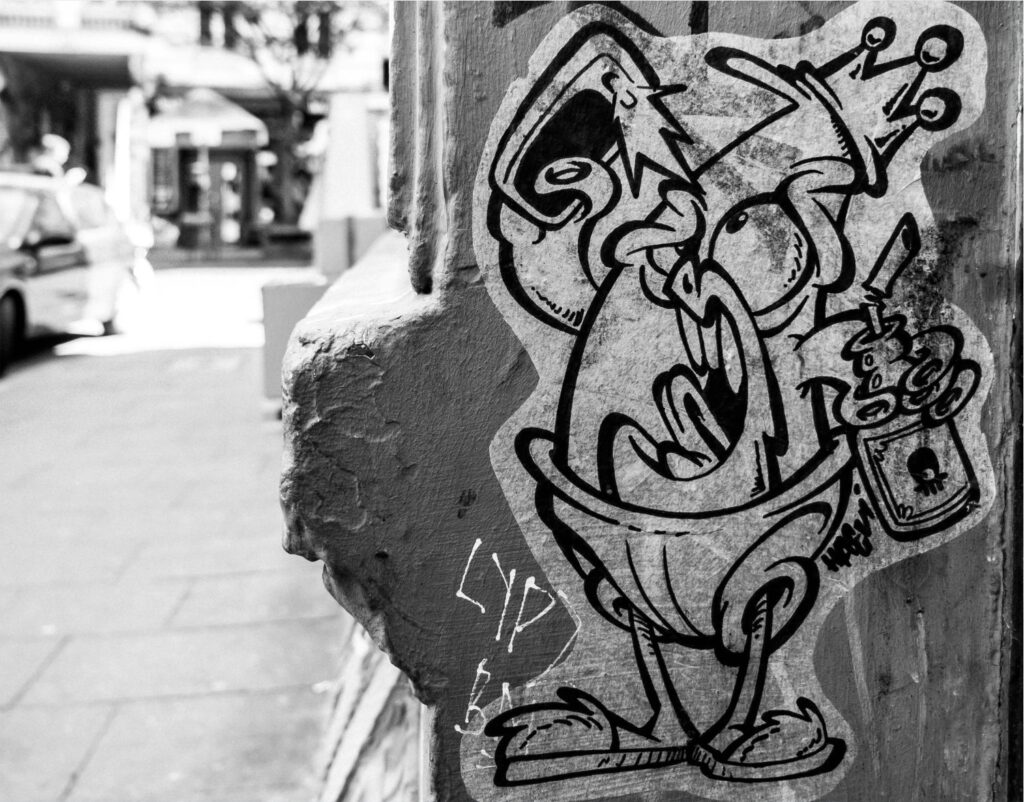
Collaboration is another key aspect of this profession. Character artists often work with writers, animators, game designers, and directors to ensure that their characters align with the project’s vision. In games, for example, characters must fit gameplay mechanics and visual style. In films, they must complement the storyline and blend seamlessly into the environment. This teamwork ensures that each character contributes meaningfully to the larger experience.
Beyond technical skills, character artists must convey emotion and personality through their designs. The tilt of a head, the clothing style, or the shape of the eyes can tell a story before a character even speaks. Great character art resonates with audiences, evoking curiosity, empathy, humor, or admiration. This emotional connection is what makes character art such a powerful tool in storytelling.
As technology evolves, the role of character artists continues to expand. Virtual reality, augmented reality, and AI-driven design are opening new possibilities for interactive and immersive character creation. Yet, despite these advancements, the heart of character art remains rooted in human creativity and imagination.
A character artist does more than design figures—they create identities, evoke emotions, and shape stories. Their work adds depth and life to digital worlds, proving that art and technology together can create unforgettable characters that stay in our minds long after the story ends.