




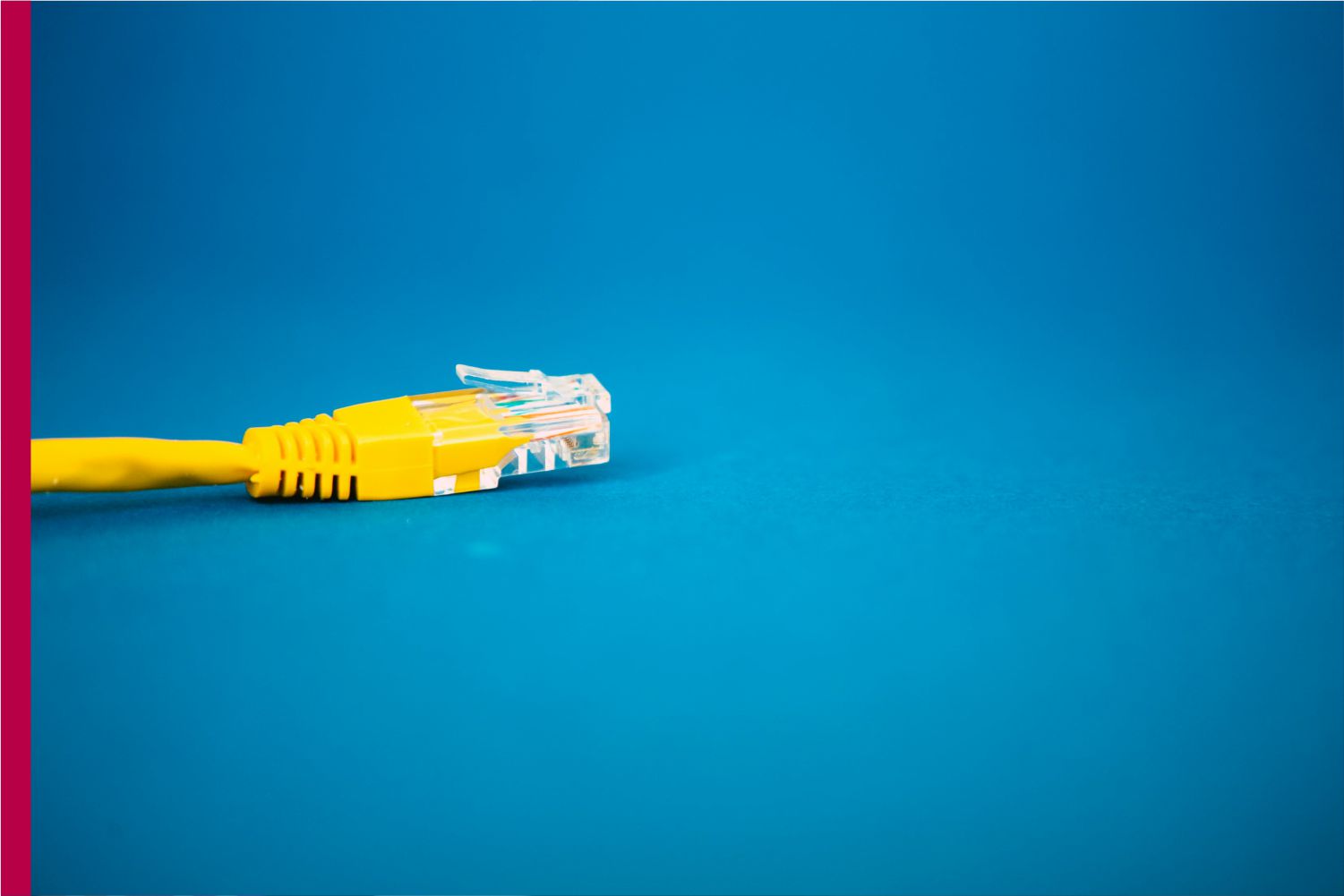
In today’s digital age, fast and stable internet connectivity has become an essential part of daily life, whether for work, entertainment, communication, or gaming. While wireless networks offer convenience, nothing beats the reliability and speed of a wired connection. At the heart of that wired network lies the Ethernet cable a simple yet powerful piece of technology that has played a vital role in connecting devices for decades. Despite the rise of Wi-Fi, Ethernet cables continue to be a preferred choice for those who value consistent, uninterrupted performance.
Ethernet cables are used to connect devices such as computers, routers, switches, and gaming consoles directly to a network. What makes them so effective is their ability to transmit data quickly with minimal interference. Unlike wireless signals, which can fluctuate due to physical obstacles, electronic devices, or distance from the router, Ethernet cables maintain a stable connection from end to end. This makes them especially useful for activities that require high bandwidth or low latency, such as online gaming, video streaming, cloud computing, and office work.
There are several types of Ethernet cables, each designed to support different speed levels and performance needs. The most common categories include Cat5, Cat5e, Cat6, Cat6a, and the more advanced Cat7 and Cat8 cables. Cat5e and Cat6 cables are widely used in homes and offices because they support speeds up to 1 Gbps or more, which is sufficient for everyday use. More advanced cables like Cat7 and Cat8 are designed for data centers and high-performance environments, offering speeds up to 40 Gbps and higher. As internet speed demands increase, the type of cable used becomes more important for achieving optimal performance.
Another key advantage of Ethernet cables is their ability to reduce latency. In online gaming or real-time applications, even a small delay can make a noticeable difference. Wired connections ensure data travels directly and quickly between devices, minimizing lag. This reliability is one of the main reasons professional gamers, streamers, and remote workers prefer Ethernet connections over Wi-Fi. Additionally, Ethernet cables are less susceptible to hacking or signal interception compared to wireless networks, offering a more secure connection for sensitive data.
Ethernet cables are also known for their durability and long lifespan. They can withstand environmental factors like bending, heat, and wear better than many other cables, making them a cost-effective choice for long-term use. Installation is simple, requiring only basic plugging and routing. Modern homes and offices often come with built-in Ethernet ports, and many people prefer to use Ethernet for critical devices while keeping Wi-Fi for casual or mobile use.
As technology advances and internet speeds continue to rise, Ethernet cables remain essential tools for ensuring strong networking performance. Even with the growing popularity of wireless technology, they offer a level of stability, security, and speed that is hard to match. Whether you’re setting up a home office, building a gaming setup, or managing a large business network, Ethernet cables provide the foundation for a dependable and efficient connection. In a world that depends so heavily on digital communication, these cables continue to play a silent yet powerful role in keeping us connected.