




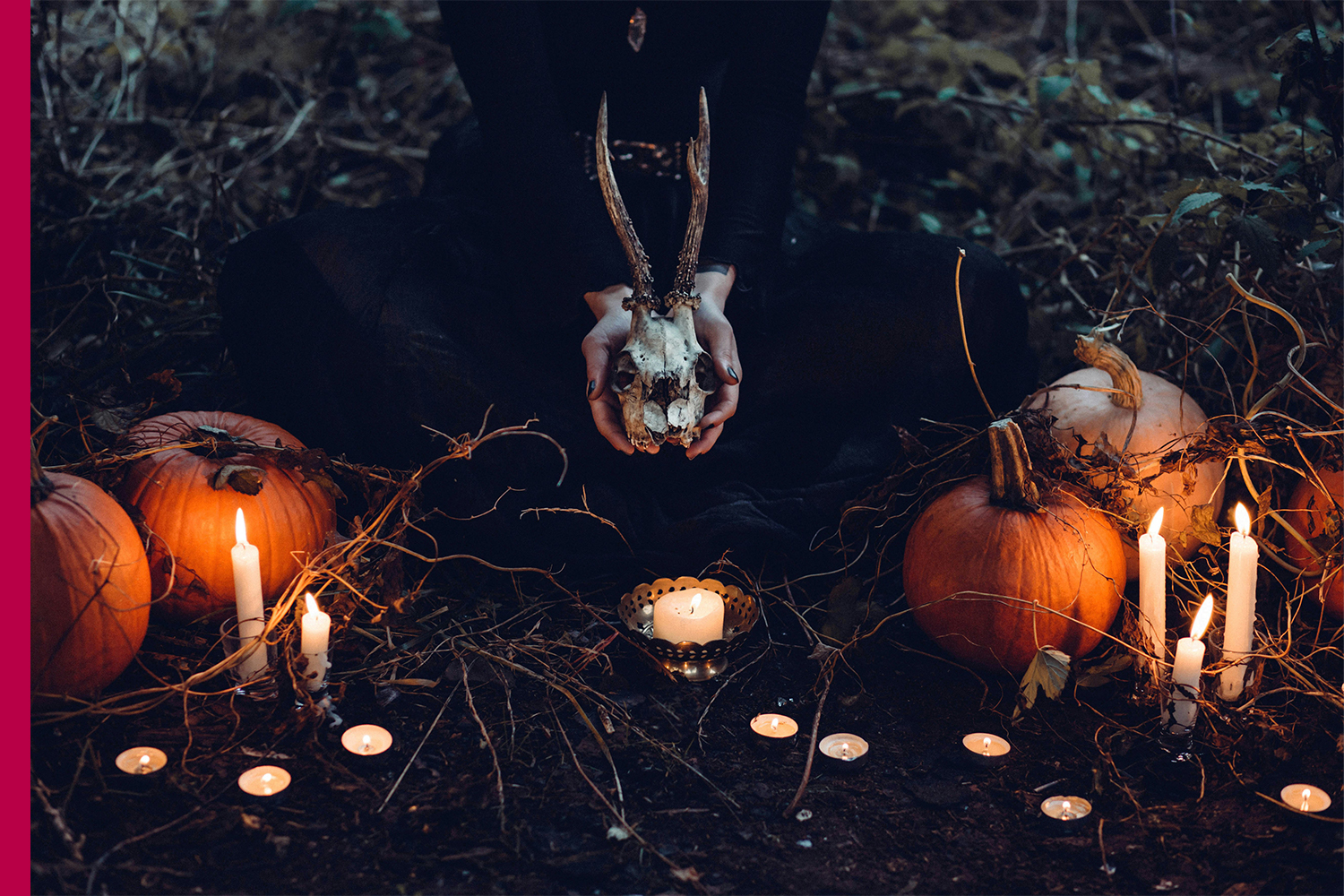
Black magic has fascinated, frightened, and puzzled humanity for centuries. Often associated with supernatural powers, rituals, and the unknown, it occupies a unique place in folklore, spiritual traditions, and cultural stories across the world. Although the term “black magic” is commonly linked with harmful practices or manipulation, its interpretation varies widely from culture to culture. Understanding the concept requires exploring history, belief systems, and the psychological impact it has had on societies.
Black magic, sometimes called dark magic or sorcery, traditionally refers to the use of supernatural powers or rituals believed to influence people, events, or natural forces. Unlike “white magic,” which is generally associated with healing or protection, black magic is often described in legends as a tool for causing harm, control, or misfortune. These ideas originally emerged in ancient civilizations, where unexplained events were often attributed to mystical forces.
In many cultures, black magic evolved as a way for people to explain fear, illness, or sudden misfortune. Before the advent of modern science, mysterious events—such as crop failures, unexpected deaths, or mental illness were often blamed on curses or dark rituals. Communities created stories to make sense of the unknown, and over time, these stories became part of folklore and tradition.
The concept of black magic is deeply rooted in psychology and belief. Humans naturally fear what they cannot understand, and this fear can magnify the idea of supernatural influence. In many societies, even today, people may attribute their problems to curses, evil eyes, or negative spiritual forces. This belief can create a strong psychological effect, where stress, fear, and anxiety make situations feel worse. In this sense, black magic’s influence is often more mental than physical—driven by perception rather than actual supernatural events.
Despite being a popular theme in movies, novels, and television, there is no scientific evidence proving that black magic or supernatural curses can directly manipulate reality. However, its cultural power remains strong. Many regions across Africa, Asia, and Latin America still incorporate spiritual rituals into daily life. Traditional healers, shamans, and priests often perform ceremonies meant to protect individuals from negative energies, offering comfort and reassurance.
Black magic is also widely used in entertainment, symbolizing mystery, danger, and the human desire to explore the unknown. Horror films, fantasy stories, and supernatural dramas frequently draw inspiration from ancient myths related to curses, rituals, and dark forces. These depictions, while fictional, keep the fascination alive for new generations.
It is important to approach the topic with awareness and balance. While cultural beliefs about black magic are meaningful in many communities, spreading fear or blaming others for misfortune can be harmful. Understanding the history and psychology behind these beliefs helps demystify the concept and encourages rational thinking.
In the end, black magic represents more than rituals or spells it symbolizes humanity’s age-old struggle to understand the unexplained. Whether viewed as myth, culture, or cautionary tale, its presence in human history reveals our deep curiosity about the unseen forces of the world.