




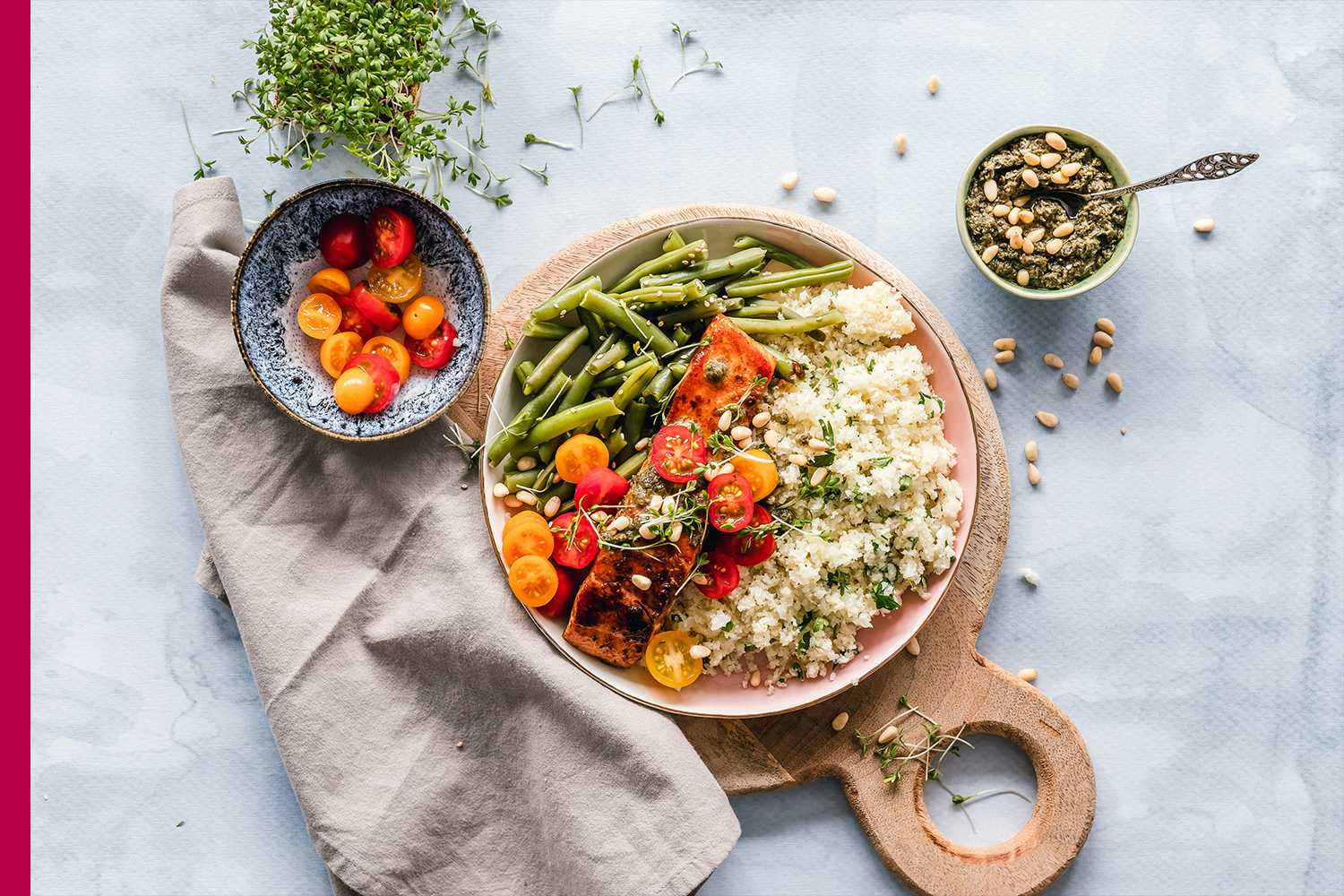
In a world filled with fast food, busy schedules, and processed snacks, the importance of healthy food has never been greater. What we eat plays a major role in determining our overall well-being—physically, mentally, and emotionally. Healthy food is not just a trend; it is a lifestyle choice that fuels the body with essential nutrients, strengthens immunity, boosts energy levels, and promotes long-term health. Understanding the significance of nutritious eating can help individuals make better choices and live more vibrant lives.
Healthy food refers to natural, wholesome, and minimally processed ingredients that provide the body with the vitamins, minerals, antioxidants, and fiber it needs to function efficiently. Fresh fruits, vegetables, whole grains, lean proteins, nuts, seeds, and dairy or plant-based alternatives form the foundation of a balanced diet. These foods supply nutrients that help build strong bones, repair tissues, support brain function, and maintain a healthy metabolism.
One of the key benefits of healthy eating is enhanced physical health. A diet rich in vegetables and fruits provides antioxidants that fight free radicals and reduce the risk of chronic diseases such as heart disease, diabetes, and certain cancers. Whole grains and fiber-rich foods support digestive health and regulate blood sugar levels. Lean proteins like fish, chicken, legumes, and tofu help build muscle and maintain strength. Healthy fats found in avocados, nuts, and olive oil improve heart health and support hormone regulation. When the body receives the right balance of nutrients, it can perform at its full potential.
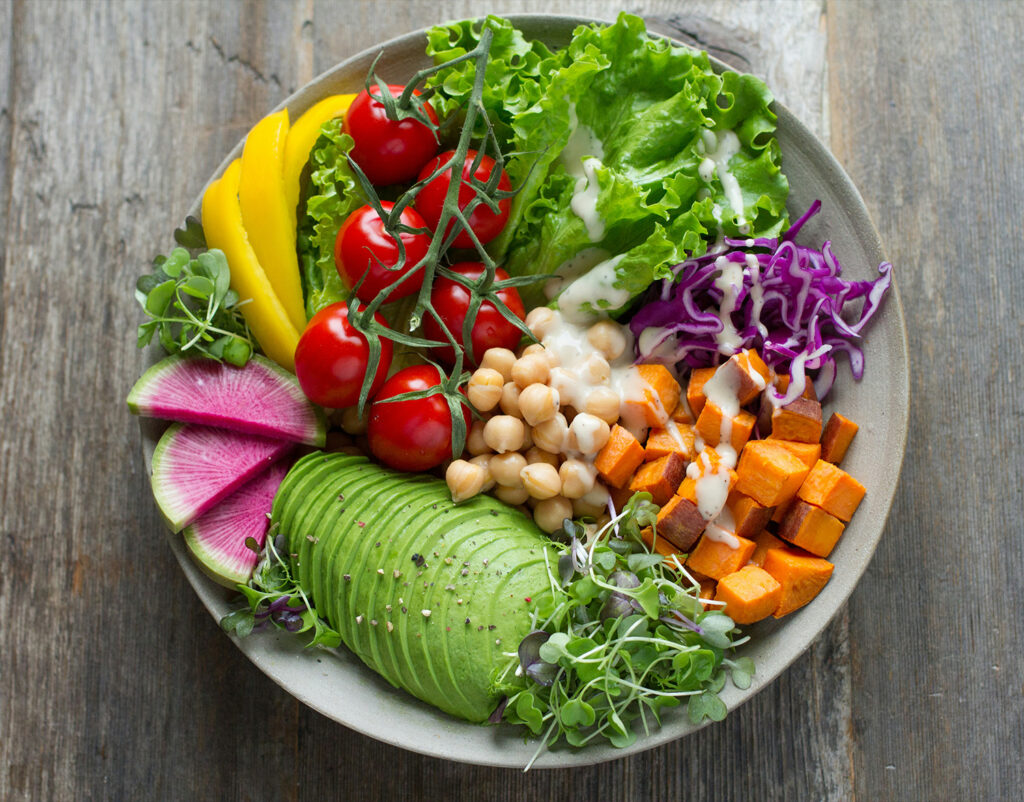
Healthy food also plays a vital role in mental and emotional well-being. Studies show that diets high in processed foods, sugary snacks, and unhealthy fats can contribute to mood swings, anxiety, and depression. On the other hand, nutrient-rich meals enhance concentration, improve memory, and stabilize mood. Omega-3 fatty acids, found in fish and flaxseeds, support brain health, while complex carbohydrates from whole grains provide long-lasting energy, preventing the afternoon energy crash that junk food often causes.
Weight management is another important advantage of healthy eating. Choosing whole, nutrient-dense foods helps control appetite, improves metabolism, and reduces cravings. Unlike processed foods, which are high in empty calories, healthy foods keep you fuller for longer, making it easier to maintain or achieve a healthy weight. This not only improves physical appearance but also reduces the risk of obesity related diseases.
Despite the known benefits, many people struggle to adopt healthy eating habits due to busy lifestyles, lack of awareness, or easy access to processed foods. However, small, consistent changes can make a big difference. Preparing home-cooked meals, reading food labels, staying hydrated, and incorporating more fruits and vegetables into meals are simple yet effective steps toward healthier living. Choosing whole foods over packaged snacks and planning meals in advance also encourages sustainable eating habits.
Healthy food is more than a diet it is an investment in a healthier future. It nourishes the body, sharpens the mind, strengthens immunity, and enhances overall quality of life. By making mindful choices and embracing balanced nutrition, anyone can enjoy the powerful benefits of healthy eating and build a lifestyle that supports long-term well-being.