







Air is the most essential element for life, yet it is the one we pollute the most. Air pollution has quietly become one of the biggest global threats to human health and the environment. From the exhaust fumes of vehicles to industrial smoke, burning waste, and household emissions, polluted air surrounds millions of people across the world. Although the effects may not always be immediately visible, the long-term damage is severe and often irreversible.
Air pollution occurs when harmful gases, chemicals, and particles enter the atmosphere. The most common pollutants include carbon monoxide, sulfur dioxide, nitrogen oxides, particulate matter (PM2.5 and PM10), and ozone. These pollutants come from various sources—vehicles, factories, construction sites, agricultural burning, household stoves, and even natural events like wildfires and dust storms. When these pollutants mix with the air we breathe, they pose a direct risk to our health and environment.
One of the most serious impacts of air pollution is its effect on human health. Polluted air can enter deep into the lungs and bloodstream, causing respiratory issues like asthma, bronchitis, and chronic obstructive pulmonary disease (COPD). Long-term exposure increases the risk of heart disease, stroke, lung cancer, and even premature death. Children and the elderly are especially vulnerable because their bodies cannot easily fight harmful particles. Studies show that breathing polluted air daily can shorten life expectancy, making it one of the leading causes of global health problems.
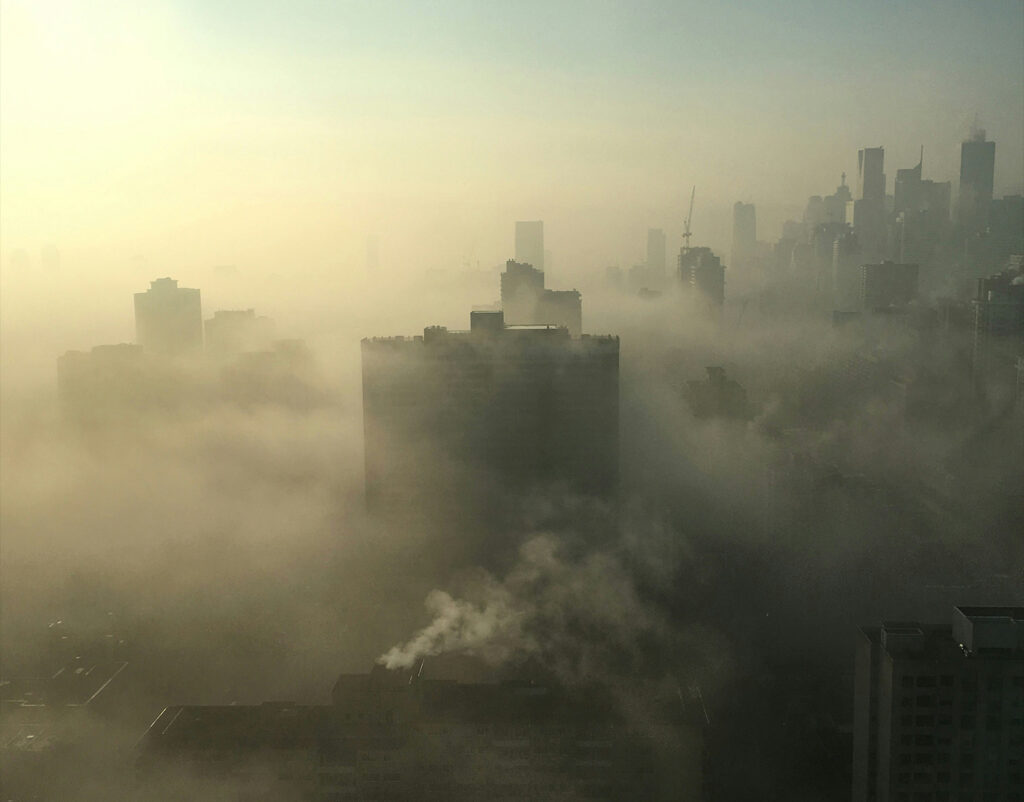
Air pollution also has a devastating effect on the environment. Excessive pollutants contribute to global warming by trapping heat in the atmosphere, leading to climate change. Factories and vehicle emissions release nitrogen oxides that react with sunlight to create smog—a thick, dirty haze that covers cities and reduces visibility. Acid rain, caused by sulfur dioxide and nitrogen oxides, damages forests, soil, and water bodies, harming plants, animals, and entire ecosystems. Even historical monuments and infrastructure are affected as chemical pollutants corrode buildings and reduce their lifespan.
The economic impact is equally significant. Air pollution leads to increased healthcare costs, reduced productivity, crop damage, and environmental degradation. Countries spend millions trying to control pollution levels and treat illnesses caused by unhealthy air. Despite these challenges, air pollution continues to rise in many developing regions due to rapid urbanization, industrial expansion, and lack of awareness.
However, reducing air pollution is possible through conscious effort and collective action. Governments can implement stricter environmental regulations, promote public transportation, shift toward renewable energy, and monitor industrial emissions. Individuals, too, have an important role to play. Using energy-efficient appliances, reducing vehicle usage, avoiding the burning of waste, planting trees, and supporting eco-friendly practices can significantly reduce pollution levels. Awareness is the first step toward change.
Air pollution may be invisible at times, but its impact is very real. Every breath we take should be clean and safe—not a silent danger to our health. By understanding the causes, effects, and solutions, we can work together to protect our environment and ensure a healthier future. Clean air is not a luxury it is a basic human right, and preserving it is our shared responsibility.