


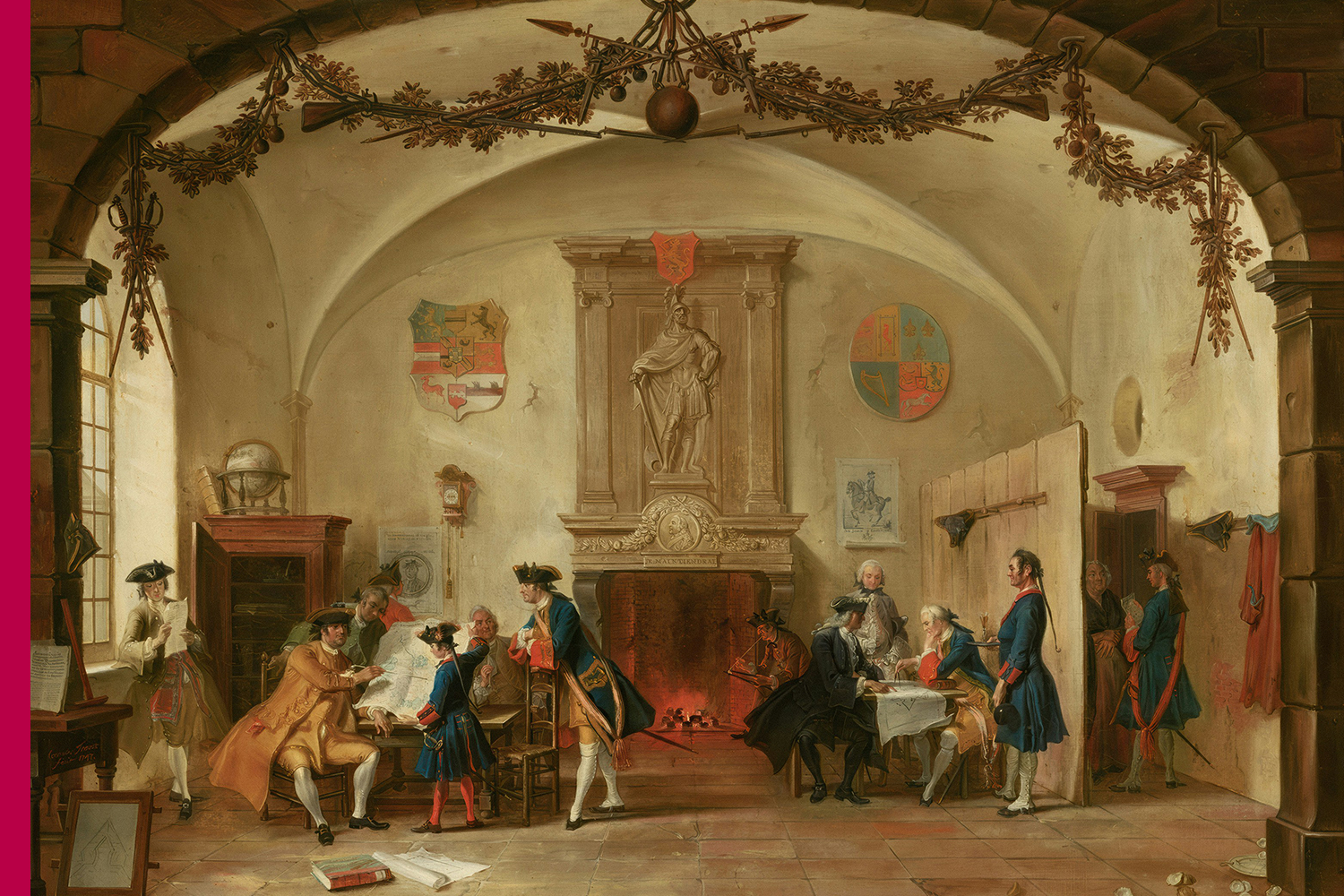
The 18th century stands as one of the most transformative periods in the history of art. With dramatic shifts in culture, politics, and philosophy, the artistic world began to reinvent itself. From the ornate luxury of Rococo to the disciplined order of Neoclassicism, art in the 18th century reflected both the beauty and the tension of an era on the edge of modernity. As societies evolved through enlightenment thinking, scientific progress, and social change, artists began to explore deeper questions about identity, emotion, and the role of humanity in the world.
The early 18th century was dominated by Rococo art, a style that celebrated romance, pleasure, and elegance. Originating in France, Rococo was characterized by soft pastel colors, intricate curves, floral patterns, and light-hearted subject matter. Artworks often depicted aristocrats enjoying leisure, love scenes, and playful mythological themes. Famous artists like Jean-Honoré Fragonard and François Boucher helped define this dreamy, decorative style. Rococo also deeply influenced architecture and interior design palaces and salons were adorned with gold, mirrors, and lavish ornamentation, creating a fantasy-like atmosphere.
However, the playful beauty of Rococo did not last forever. As European societies became increasingly influenced by the Age of Enlightenment, art began to shift toward reason, logic, and dignity. This movement gave rise to Neoclassicism, inspired by the ancient civilizations of Greece and Rome. Neoclassical artists rejected the sentimentality of Rococo and focused instead on simplicity, symmetry, and heroic themes. Their artworks often portrayed historical and moral subjects, emphasizing discipline, bravery, and civic virtue. Jacques-Louis David, one of the most iconic Neoclassical artists, painted powerful political and historical scenes that expressed loyalty to revolutionary ideals.
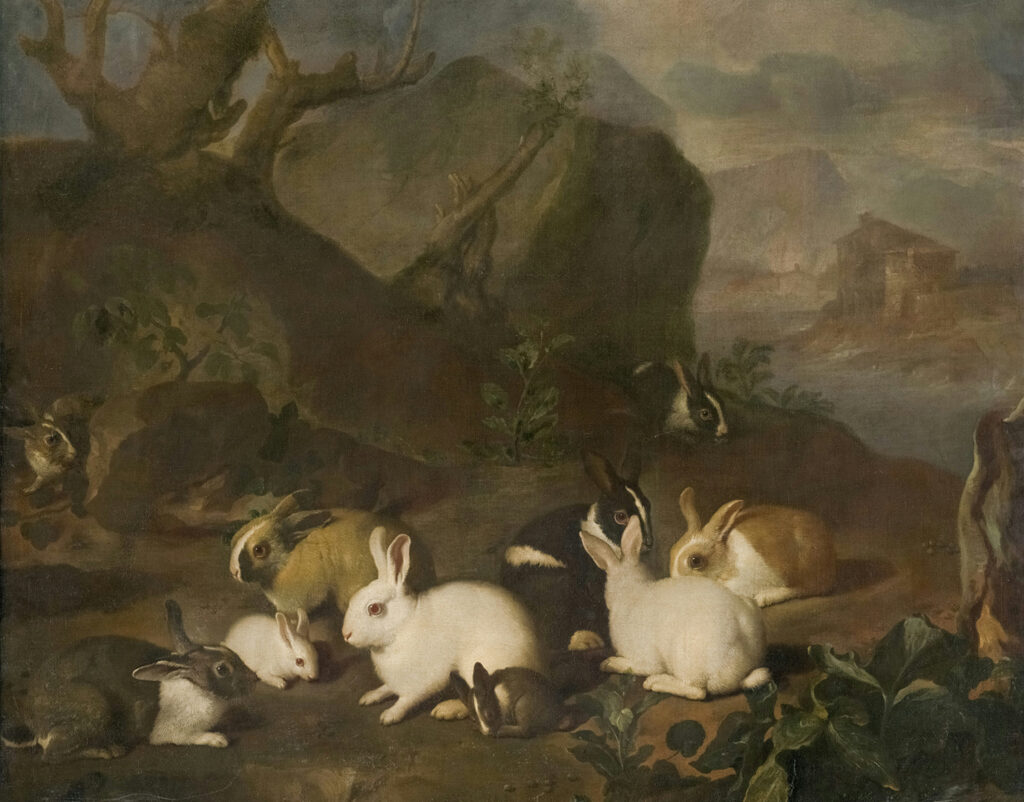
The transition between Rococo and Neoclassicism also reflected the changing cultural climate. The 18th century saw the growth of the middle class, the questioning of aristocratic power, and revolutions that reshaped nations. Art became more than a symbol of wealth—it became a tool for commentary and influence. Portraiture gained popularity as individuals wanted their identity and status immortalized in paint. At the same time, new interest in landscape painting highlighted the beauty of nature and humanity’s place within it.
Beyond painting, the 18th century was significant for the development of other art forms. Sculpture embraced classical forms, architecture balanced beauty with mathematical precision, and decorative arts flourished in furniture, fashion, and ceramics. Meanwhile, music and literature also experienced revolutions, with names like Mozart, Beethoven, and Voltaire shaping intellectual and cultural thought across Europe.
The 18th century holds a special place in the timeline of art because it marked the shift from tradition to modernity. It blended the softness of emotion with the seriousness of philosophy. It celebrated beauty, yet also demanded purpose. The era’s artworks continue to be admired for their technical mastery, elegance, and storytelling power.
Today, museums and galleries around the world celebrate 18th century art as a testament to human imagination during a time of dramatic change. Whether through the playful pastels of Rococo or the noble strength of Neoclassicism, 18th century arts remind us that creativity has always been a reflection of society shaped by the world, yet powerful enough to shape it in return.