




In today’s fast-moving digital world, businesses cannot rely on traditional marketing alone. Consumers spend more time online than ever before browsing websites, scrolling social media, watching videos, and shopping on e-commerce platforms. This shift has transformed the way brands communicate with their audience and paved the way for digital marketing. Digital marketing refers to promoting products and services using online platforms, data analytics, and technology. It has become one of the most powerful tools for reaching customers, building brand awareness, and driving sales.
One of the biggest strengths of digital marketing is its ability to target the right audience with precision. Unlike traditional marketing methods—such as billboards, flyers, or TV ads—digital platforms allow businesses to reach specific groups based on age, interests, location, browsing behavior, and purchasing habits. This ensures that marketing efforts are more personalized and effective. For example, if a customer searches online for running shoes, they may soon see ads related to sportswear, fitness accessories, and health products across multiple platforms.
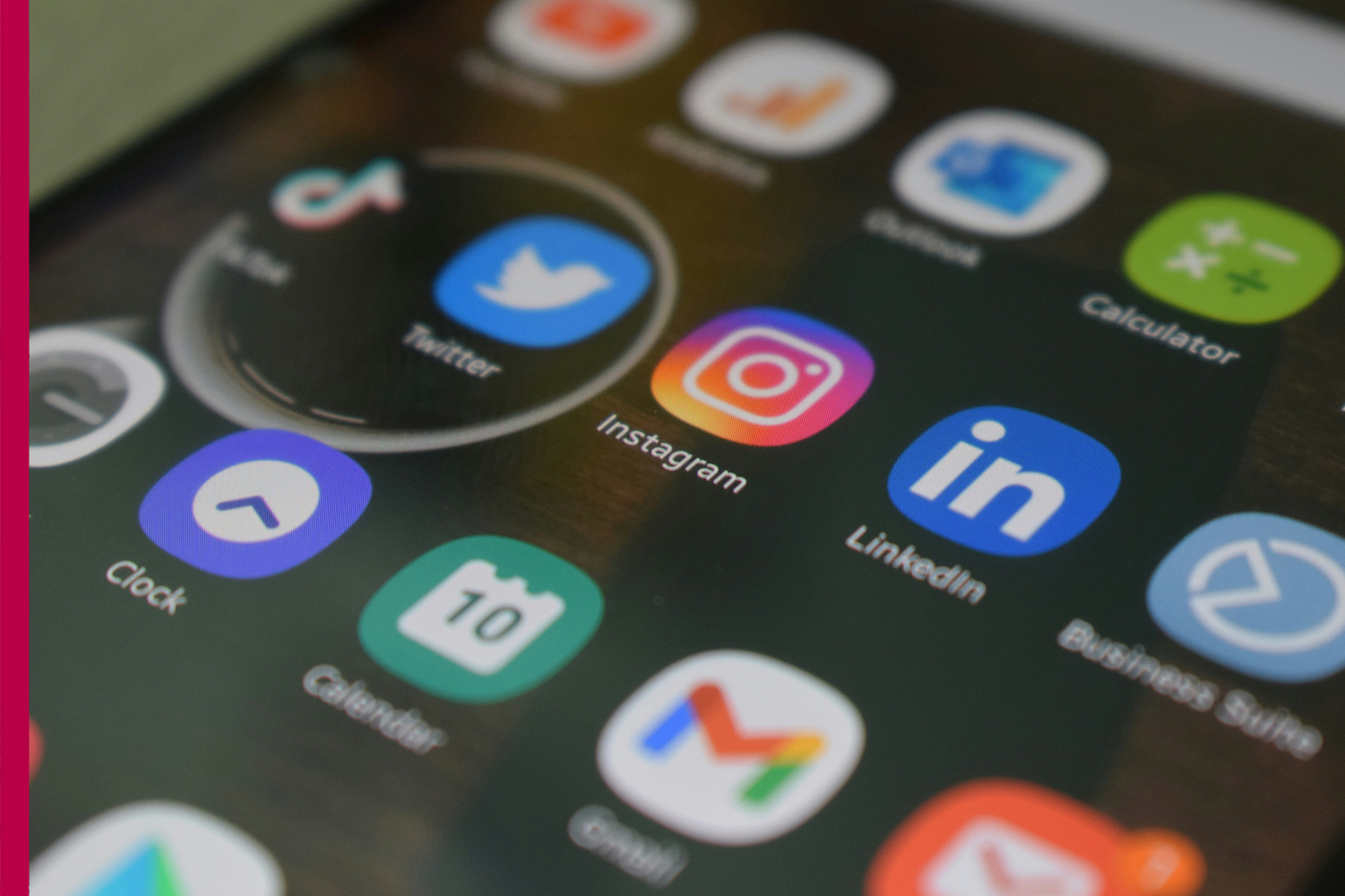
Social media plays a major role in the digital landscape. Platforms like Instagram, Facebook, YouTube, and TikTok allow brands to share engaging content and build direct relationships with their audience. Whether through reels, product demos, customer testimonials, or influencer campaigns, businesses can spark interest and create meaningful conversations. Influencer marketing, where creators promote brands to their followers, has rapidly grown as Gen Z and millennials show strong trust in peer recommendations over traditional advertisements.
Search engine optimization (SEO) is another key pillar of digital marketing. When people need information, they turn to Google. SEO helps businesses rank higher in search results, increasing visibility and attracting organic traffic. Blogs, keyword-rich web pages, and helpful content not only educate customers but also strengthen brand authority. Similarly, pay-per-click (PPC) advertising allows businesses to place ads on search engines and pay only when someone clicks on them, ensuring budget efficiency.

Email marketing continues to be a powerful tool as well. While social media algorithms may change, email remains a direct and personal communication channel. Through newsletters, special offers, and updates, brands can nurture long-term customer relationships. When combined with automation and data analytics, email campaigns become even more personalized and effective.
E-commerce has also accelerated the growth of digital marketing. With online shopping becoming a daily habit, businesses focus on user-friendly websites, smooth checkout experiences, and retargeting ads that remind customers about items they viewed. Data analytics helps brands understand consumer behavior, preferences, and trends, enabling them to refine their strategies in real time.
The future of digital marketing is full of possibilities. Artificial intelligence, virtual reality shopping experiences, and voice-search optimization are changing how people interact with technology. Businesses that embrace innovation and customer-centric approaches will continue to thrive.
Digital marketing is no longer optional it’s essential. It gives brands unlimited reach, measurable results, and the opportunity to build strong relationships with global audiences. In a world where consumers are constantly connected, digital marketing is the bridge that links businesses to their customers, turning engagement into loyalty and creativity into growth.