







Art is one of the oldest forms of human expression, reflecting emotions, culture, imagination, and history. Every artwork tells a story not just through its subject but through its style. Art style refers to the unique visual language an artist uses to communicate their vision, ideas, and emotions. From realistic portraits to abstract shapes and futuristic digital designs, art styles shape how we perceive creativity.
One of the most fascinating aspects of art styles is that they evolve over time. Ancient art focused on representing daily life, spirituality, and nature. Cave paintings, Egyptian symbols, and Greek sculptures all showcased realism and storytelling. As time progressed, artists began experimenting with perspective, texture, and personal interpretation. The Renaissance era introduced realism and techniques like shading and accuracy in human anatomy. Artists such as Leonardo da Vinci and Michelangelo mastered lifelike representation, which became a foundation for future generations.
Then came a dramatic shift with art movements like Impressionism, where artists emphasized light, color, and mood rather than precision. Instead of capturing exact shapes, they painted impressions—fleeting moments and emotions. Claude Monet is a well-known figure in this movement. Later, Cubism, led by Pablo Picasso, broke down subjects into geometric shapes, demonstrating that art does not need to replicate reality to hold meaning. Abstract art pushed the limits even further by focusing fully on shapes, colors, and emotions rather than recognizable objects.
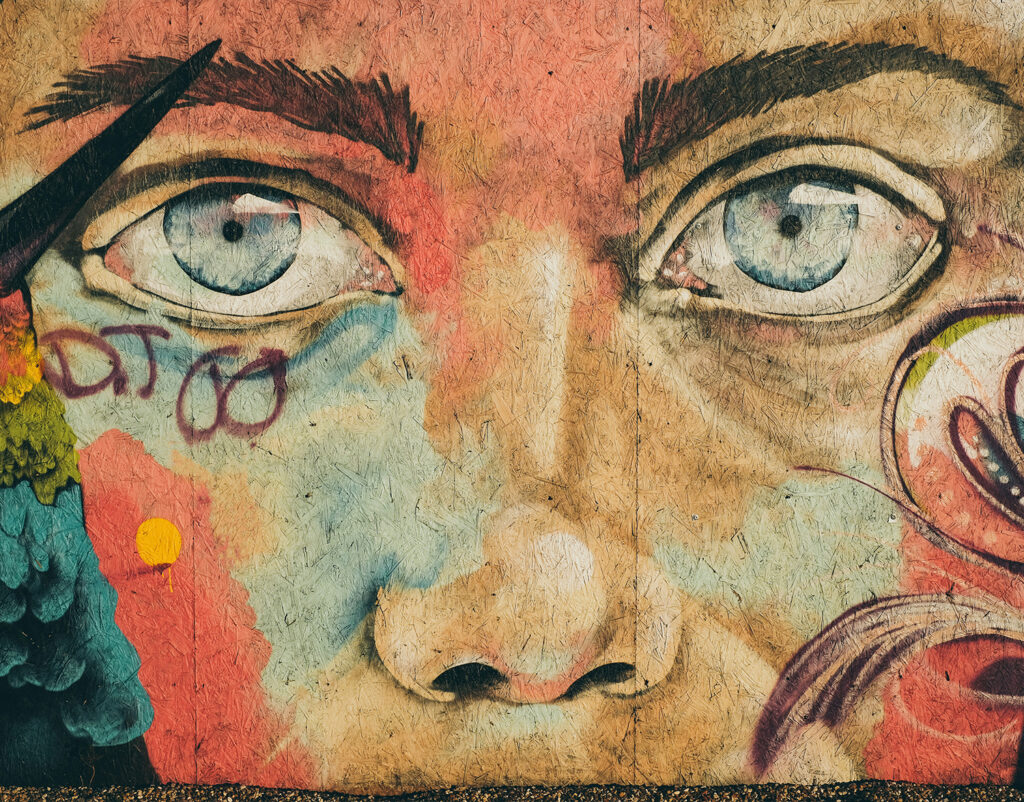
Art styles continued to transform with Pop Art, Surrealism, and Expressionism. Each style introduced new perspectives and encouraged artists to challenge creative norms. Expressionism focused on intense emotion, while Surrealism showcased dreamlike visuals and subconscious imagery—Salvador Dalí’s melting clocks are a famous example. Pop Art, with artists like Andy Warhol, embraced popular culture, mass production, and modern consumerism.
Today, the art world is more diverse than ever. Traditional techniques coexist with digital innovations, giving rise to unique hybrid styles. Digital art allows creators to blend 2D illustration, 3D modeling, animation, and even artificial intelligence. Modern artists experiment with vibrant textures, mixed media, and cultural influences from around the globe. Social media has also played a major role in shaping art styles by exposing artists to endless inspiration and helping them connect with audiences instantly.
What makes art styles so meaningful is that they allow artists to express their identity. Two artists can paint the same landscape, yet their pieces will look entirely different based on the style they choose. Some may aim for photo-realistic detail, others may use bold brush strokes full of emotion, and some may reduce the scene into simple shapes and colors. There is no right or wrong style only personal expression.
For viewers, art styles offer a way to explore different worlds and perspectives. They remind us that creativity has no boundaries. A single painting can make us feel calm, excited, confused, or nostalgic proving that art is a universal language. Whether traditional or modern, minimal or detailed, every style brings something meaningful to the world. Art continues to evolve, and with it, new styles will emerge each contributing to the rich and colorful story of human imagination and creativity.