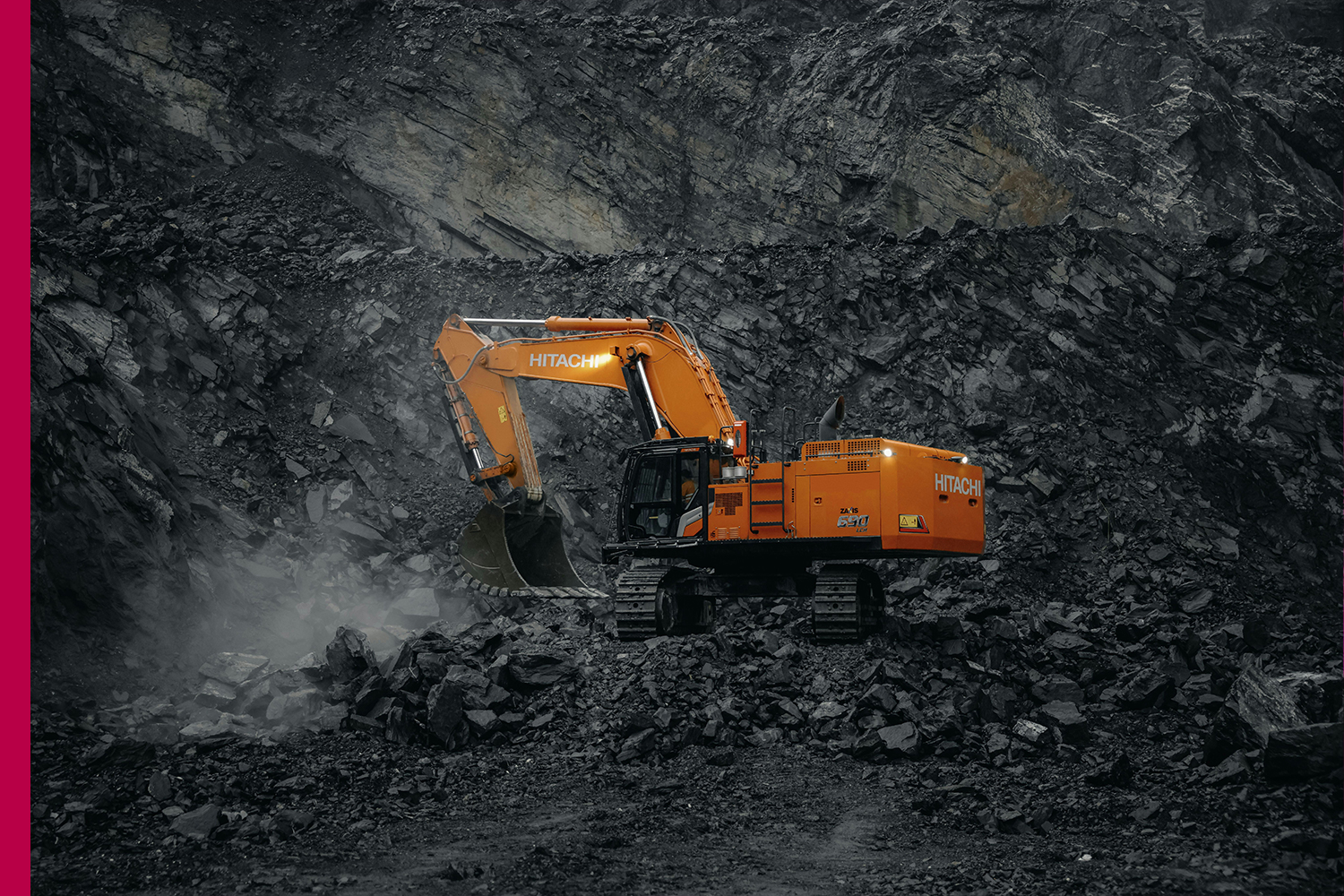



Mining resources have shaped the progress of human civilization for centuries. From the copper tools of ancient societies to the rare earth minerals that power today’s smartphones and electric vehicles, mining lies at the heart of technological and economic development. Despite rapid advancements in renewable energy and recycling, mining continues to play an irreplaceable role in modern life, fueling industries, infrastructure, and innovation worldwide.
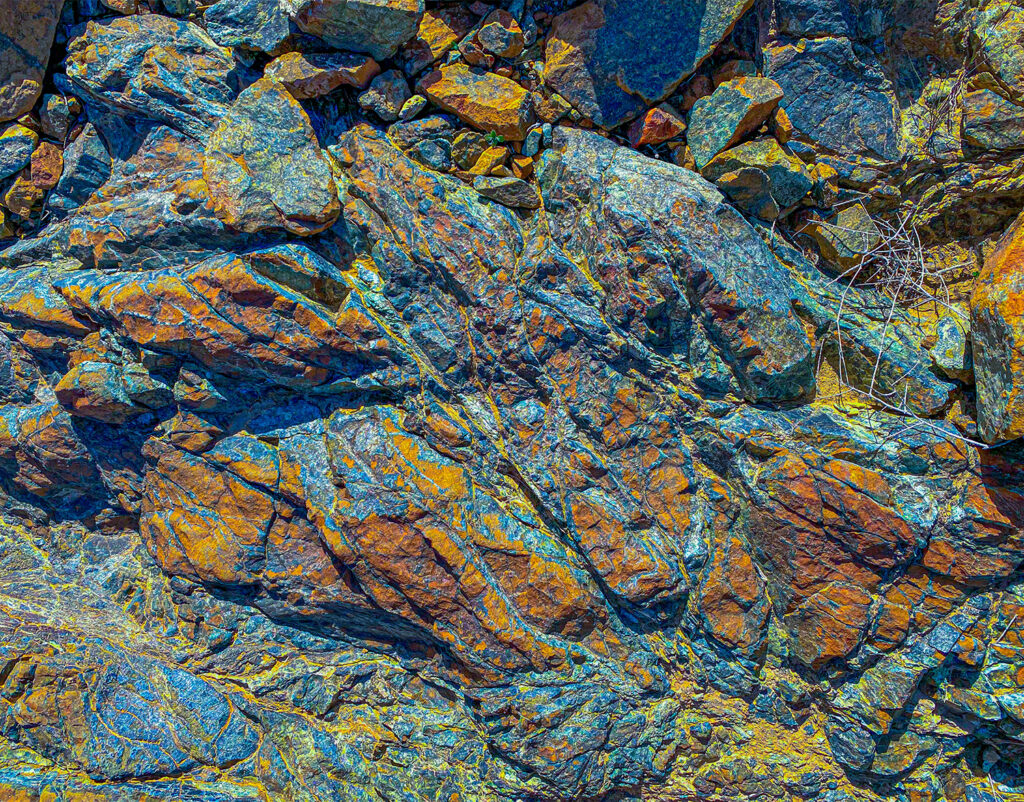
Mining resources refer to minerals, metals, and fossil fuels extracted from the Earth’s crust. These include coal, iron ore, gold, copper, bauxite, diamonds, and a variety of rare earth elements. Each resource plays a unique part in global progress. For example, iron and steel make up the foundations of buildings and transportation, copper is vital for electrical wiring and energy systems, and lithium and cobalt are crucial for the battery technology driving the green revolution. Without mining, the world simply wouldn’t have the materials needed to build the roads, machines, gadgets, and tools that define modern life.
The mining industry not only provides raw materials but also supports economies through job creation and trade. Millions of people across continents depend on mining for their livelihood. Resource-rich countries like Australia, South Africa, Russia, and Chile rely heavily on mining exports to strengthen their GDP and global trade presence. Even developing nations benefit from mining as an opportunity for infrastructure development and foreign investment. In many places, the mining sector has opened doors to roads, healthcare, and education in remote communities.
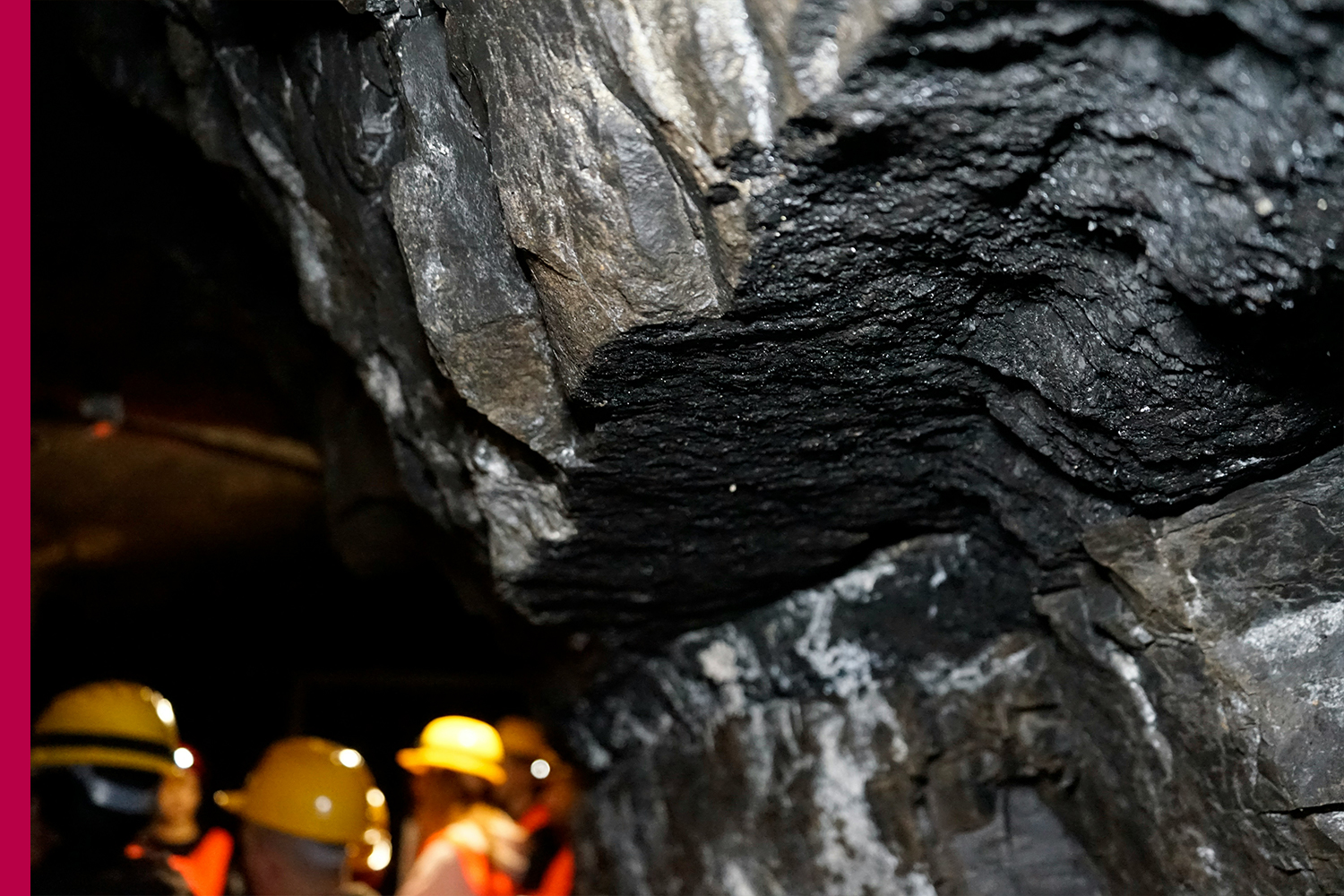
However, mining is not without challenges. Extracting minerals from the Earth can have a significant environmental impact. Deforestation, soil erosion, water pollution, and loss of biodiversity are some of the ecological concerns associated with mining. Additionally, poorly regulated mining can cause unsafe working conditions and exploitation of labor. The world has witnessed tragedies involving mine collapses, toxic chemical leaks, and long-term health hazards among miners. These issues highlight the need for ethical mining practices and strong regulatory frameworks.
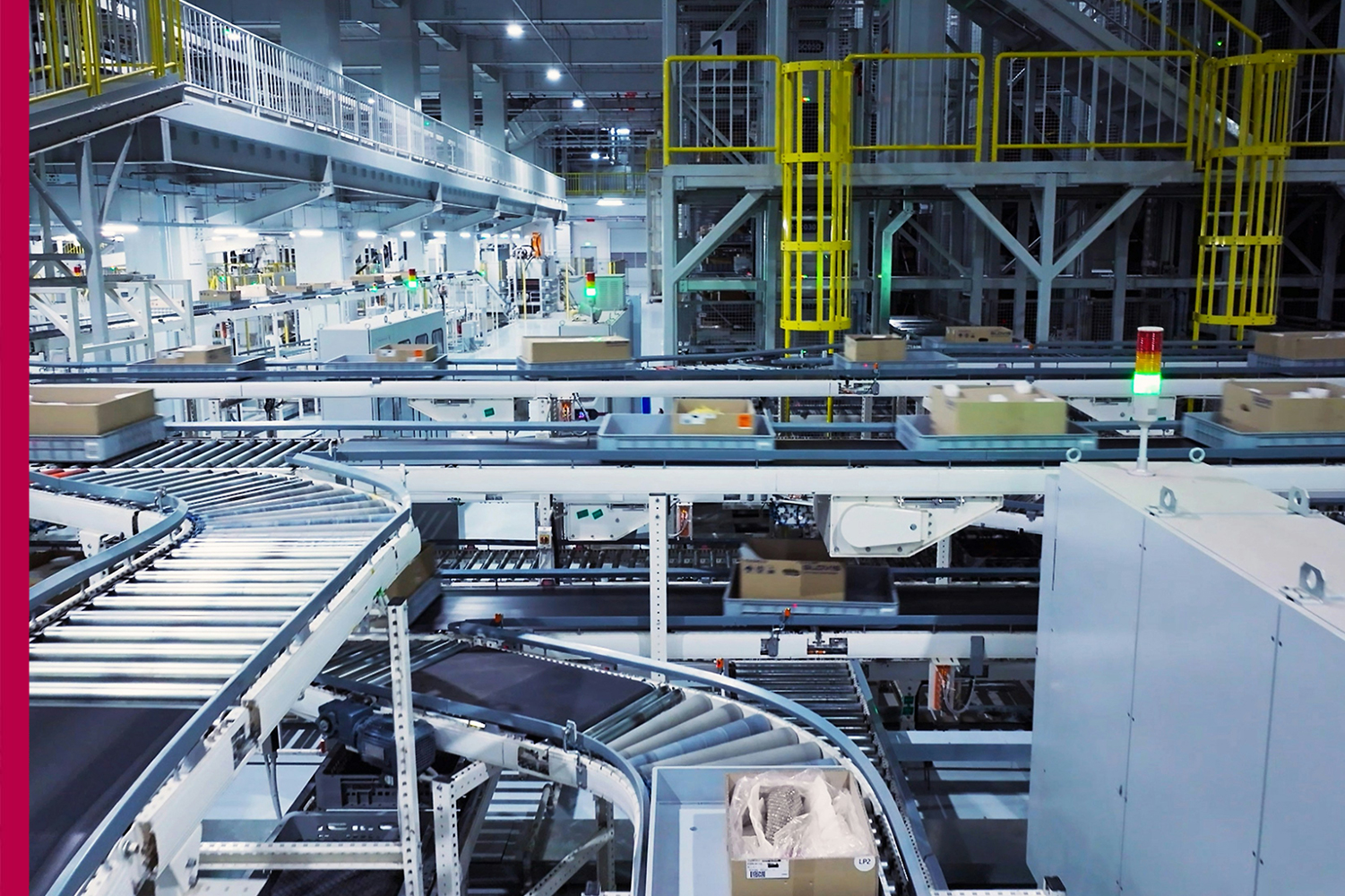
Fortunately, the mining industry is evolving. With advancements in technology and growing environmental awareness, sustainable mining has become a global priority. Today, companies are adopting eco-friendly methods such as green energy-powered machinery, efficient waste management, and land restoration projects. Digital tools like satellite monitoring, artificial intelligence, and automation are improving safety and minimizing environmental damage. The focus is shifting from merely extracting resources to doing so responsibly while protecting people and the planet.
Recycling is also emerging as a crucial part of the mining ecosystem. Urban mining recovering metals from electronic waste reduces the need for new extraction and helps conserve natural reserves. As the world transitions to clean energy solutions and electric transportation, demand for minerals like lithium, nickel, and copper will continue to rise. Sustainable and innovative resource management will determine how effectively we meet this growing demand.
Mining resources remain the backbone of global development, powering industries and shaping the future. The key lies in balancing growth with responsibility. With smarter technologies, ethical labor practices, and environmental conservation, mining can continue to support progress while safeguarding the Earth for future generations.