




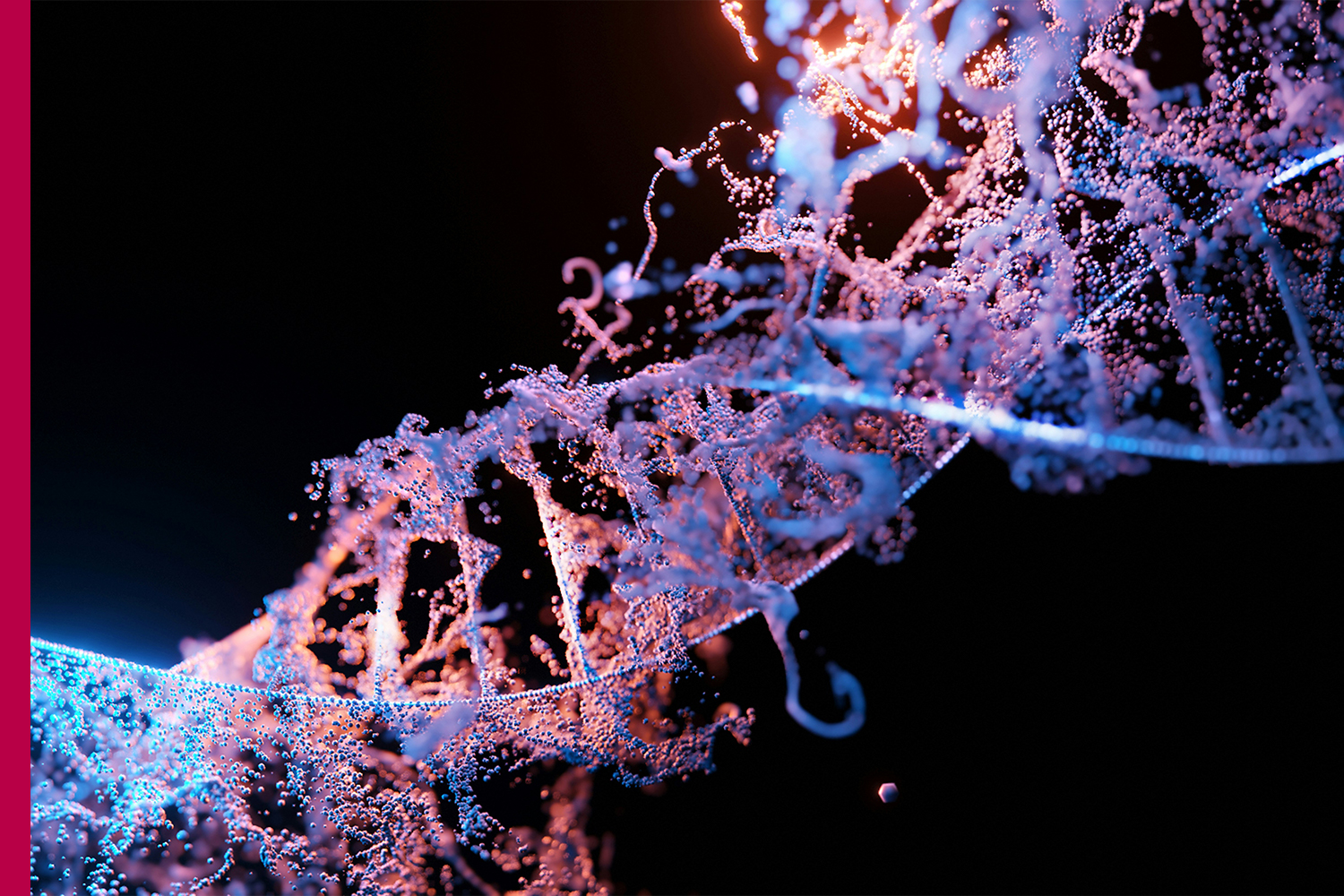
DNA, short for Deoxyribonucleic Acid, is one of the most remarkable molecules known to science. It carries the genetic information that determines the structure, function, and growth of every living organism from the tiniest bacteria to human beings. Often described as the blueprint of life, DNA contains the instructions that make each individual unique.
DNA, short for Deoxyribonucleic Acid, is one of the most remarkable molecules known to science. It carries the genetic information that determines the structure, function, and growth of every living organism from the tiniest bacteria to human beings. Often described as the blueprint of life, DNA contains the instructions that make each individual unique.
The study of DNA has revolutionized science and medicine. With advancements in genetics, scientists can now understand hereditary diseases, identify genetic mutations, and develop targeted treatments. DNA analysis plays a critical role in diagnosing medical conditions and creating personalized medicine, where treatments are tailored to an individual’s genetic profile. This approach holds promising potential for treating illnesses such as cancer, diabetes, and rare genetic disorders.
Beyond medicine, DNA has become a powerful tool in many other fields. In forensic science, DNA profiling helps solve crimes by identifying suspects and victims through tiny biological traces. In archaeology and anthropology, ancient DNA helps researchers understand human evolution and migration patterns dating back thousands of years. DNA testing has also gained popularity among the public, enabling people to explore their ancestry and trace their family origins.
Despite its importance, DNA is not infallible. Genetic mutations can occur due to environmental factors, aging, or random errors during cell division. While some mutations are harmless or even beneficial, others can cause diseases. Understanding DNA allows scientists to explore ways to correct or prevent harmful genetic changes. Research in gene editing technology, such as CRISPR, has opened new doors for potential cures but it also raises ethical questions about how far science should go in altering the genetic makeup of life.
In summary, DNA is the fundamental code that drives life on Earth. It connects all living beings through shared biological foundations while making every individual unique. As science continues to unravel its secrets, DNA will remain at the heart of discoveries that shape the future of health, evolution, and human identity.