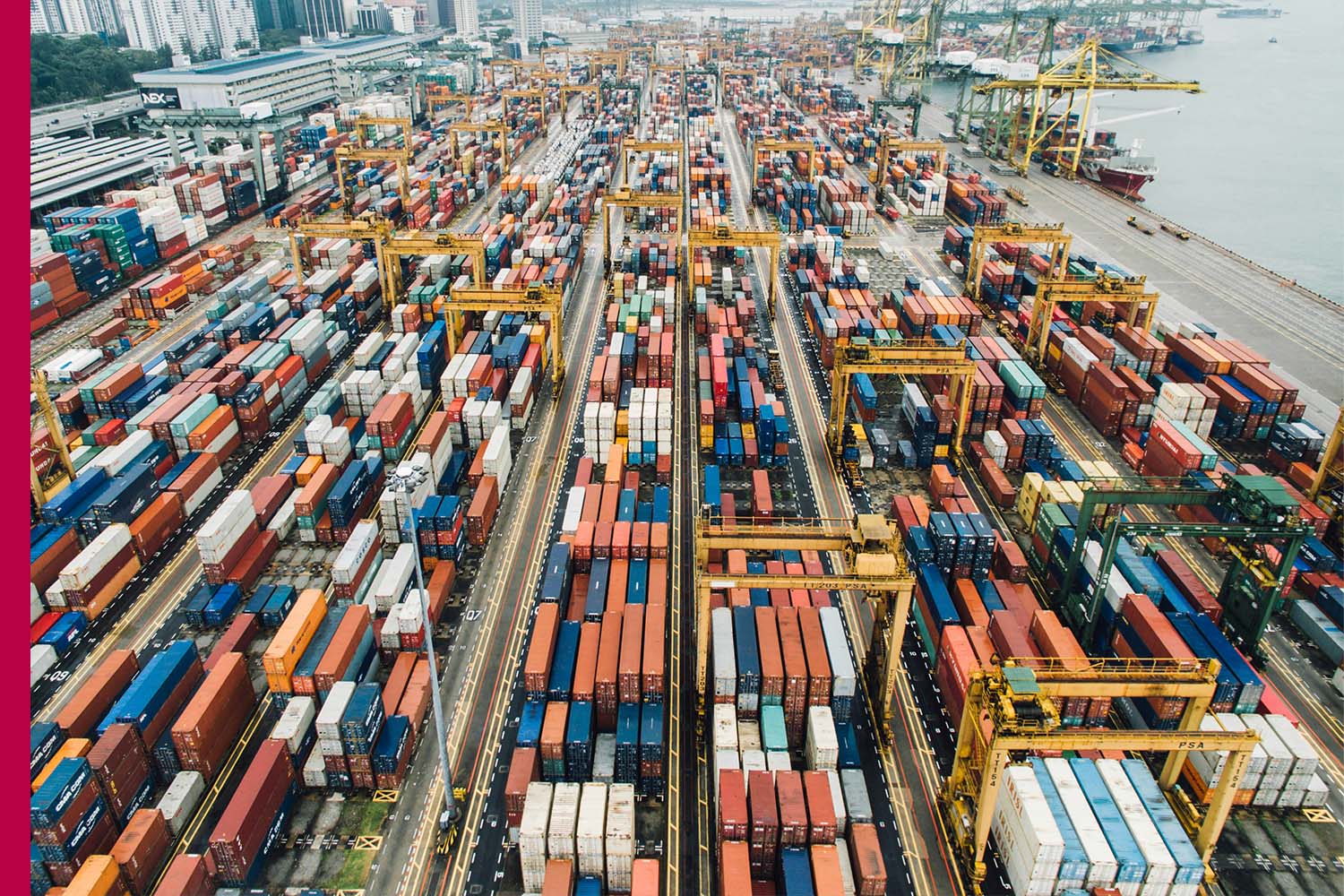



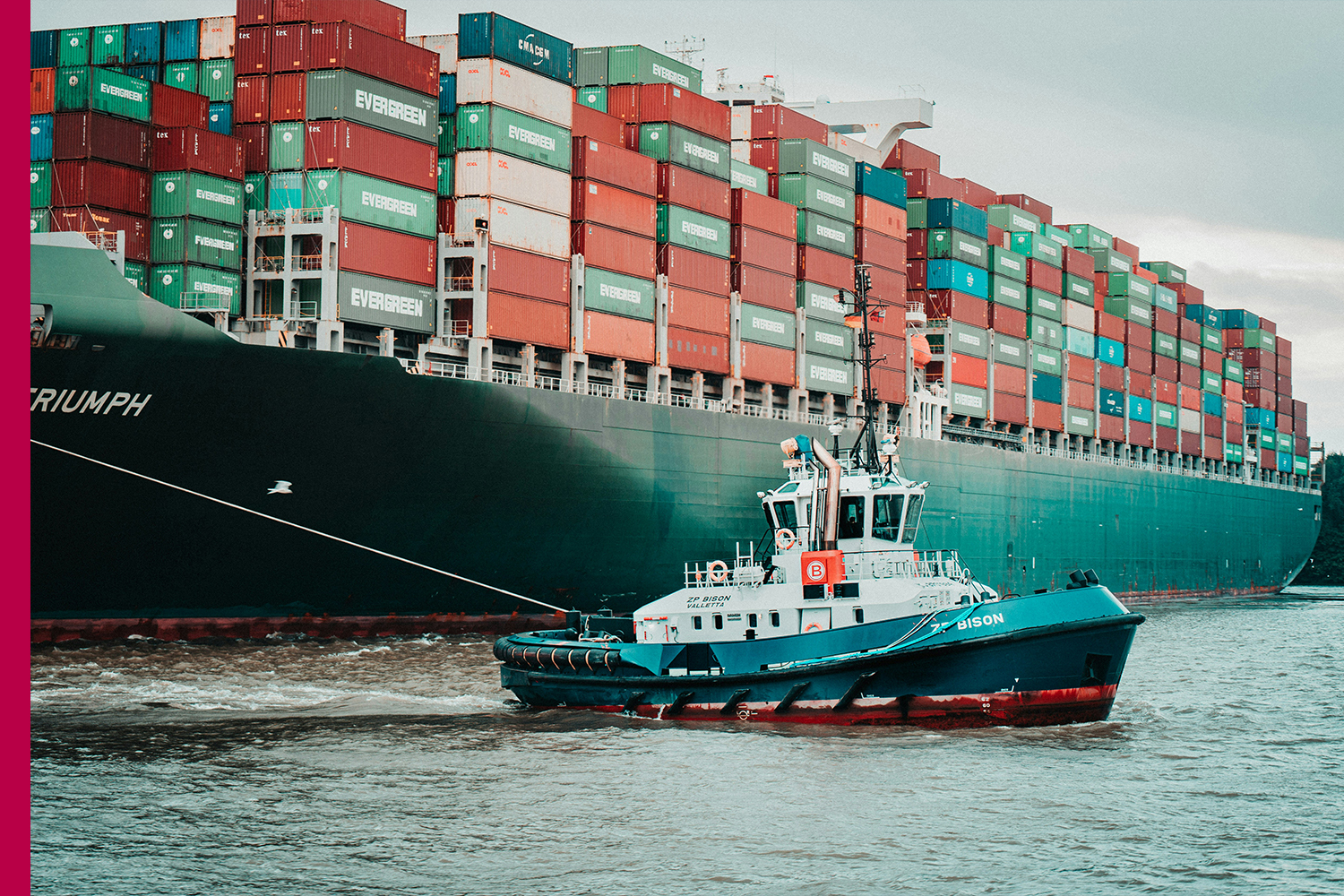
In today’s fast-paced global marketplace, the supply chain has become the backbone of every industry, from manufacturing and retail to healthcare and technology. What was once a simple system of moving products from one place to another has now transformed into a highly strategic, technology-driven network that directly influences business success. As customer expectations rise and industries expand across borders, modern supply chains are adapting rapidly to stay ahead.
At its core, supply chain management (SCM) is all about coordinating the flow of goods, information, and finances from the initial source to the final consumer. But with the increasing complexity of global trade, companies can no longer rely on traditional processes. They need advanced tools, real-time data, and collaboration to ensure that every step—from procurement to delivery runs smoothly. Efficiency, cost-control, and flexibility have become the three most crucial pillars of a successful supply chain.
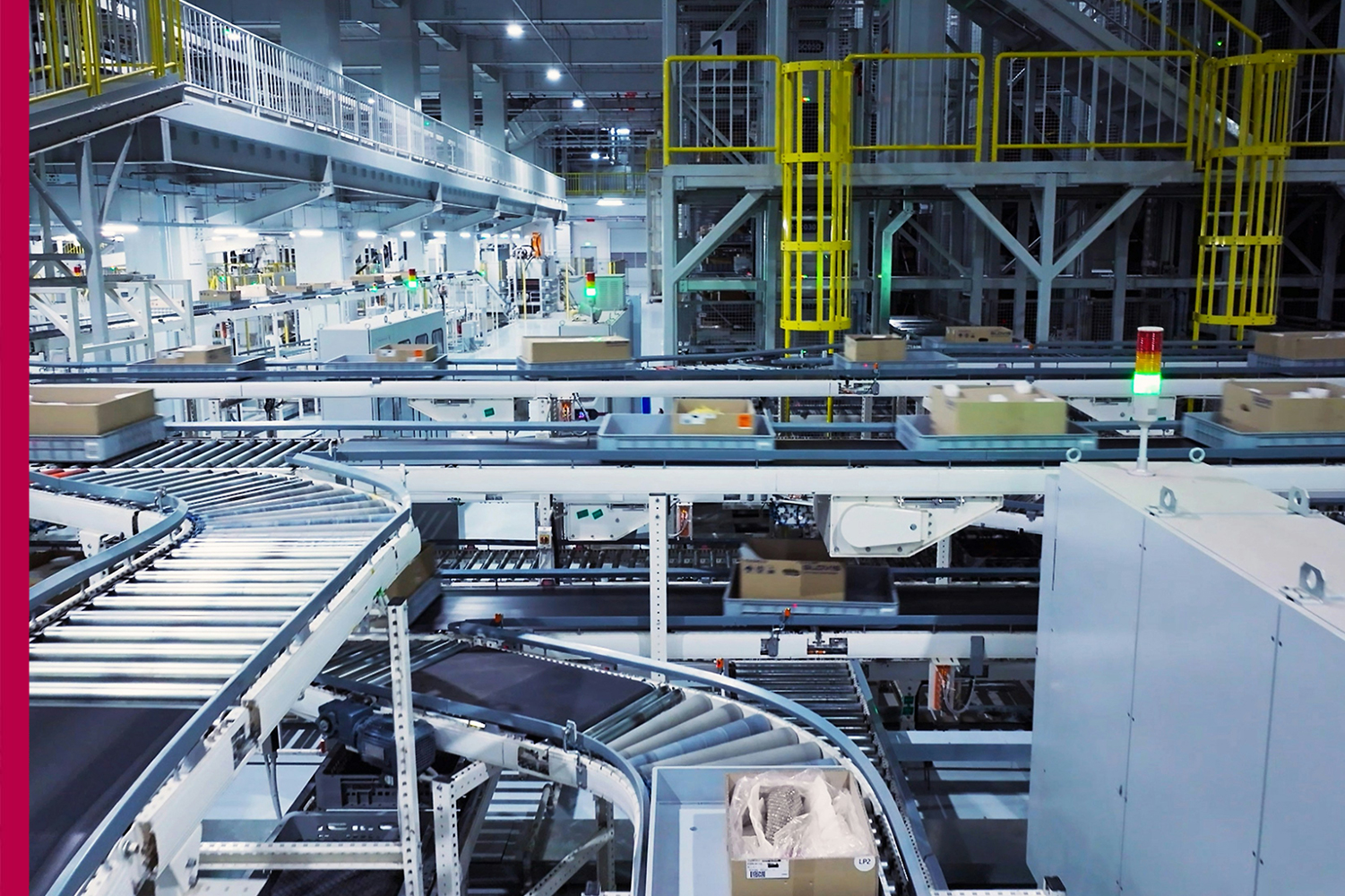
One of the biggest transformations in recent years is the adoption of digital technologies. Automation, artificial intelligence, and data analytics are empowering organizations to predict demand, optimize routes, manage warehouse operations, and reduce risks. For example, AI-powered forecasting tools help companies anticipate market trends long before they occur, preventing stock shortages and overproduction. Meanwhile, warehouse automation through robotics has significantly improved accuracy and reduced manual labour.
The rise of e-commerce has also reshaped customer expectations. Today’s consumers demand faster delivery, real-time tracking, and seamless service. This has forced businesses to rethink their logistics strategies. Same-day delivery, once considered a luxury, is now becoming the norm for leading brands. To achieve this, companies are embracing micro-fulfillment centers, last-mile delivery optimization, and partnerships with logistics providers. These innovations ensure speed without compromising quality.
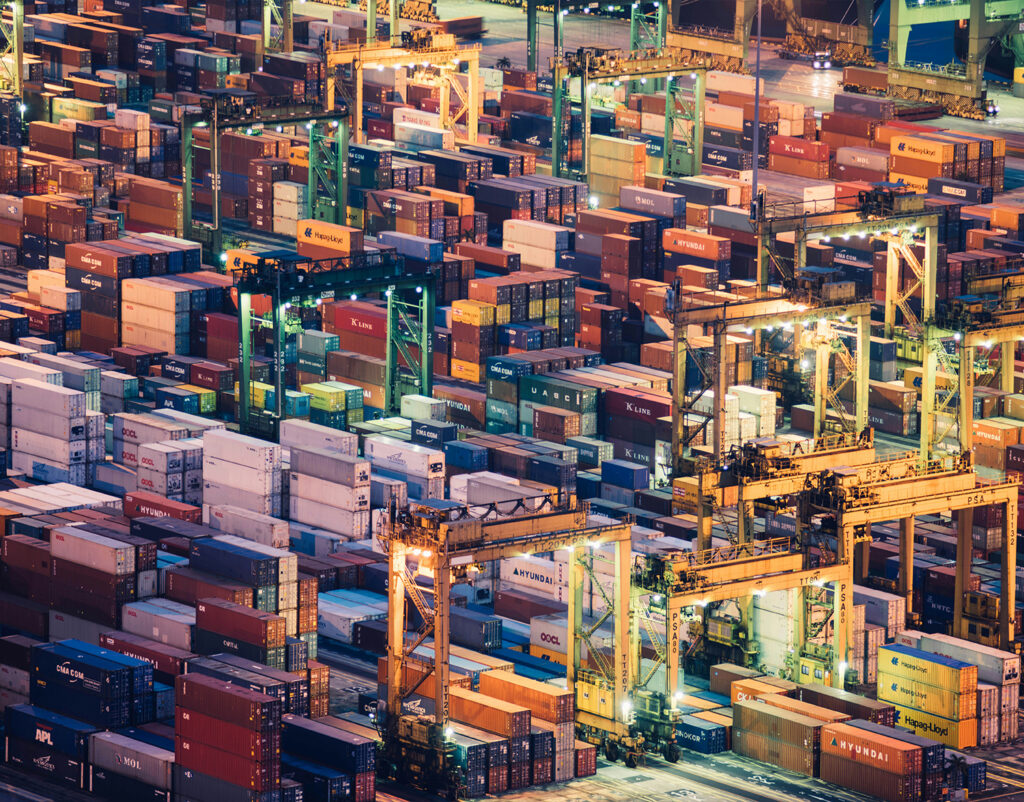
However, growth in supply chain demands has also brought new challenges. Geopolitical tensions, global pandemics, and natural disasters have caused major disruptions across industries. These events highlighted the importance of building resilient supply chains. Businesses are now diversifying suppliers, investing in local manufacturing, and adopting contingency planning to avoid dependency on single sources. Resilience, therefore, is no longer optional—it is a competitive advantage.
Sustainability is another area gaining momentum. Consumers and governments are pushing organizations to adopt eco-friendly practices, reduce carbon footprints, and use renewable packaging. As a result, companies are integrating green supply chain strategies such as electric delivery vehicles, energy-efficient warehouses, recycling programs, and minimized waste production. These environmentally conscious decisions not only enhance brand value but also reduce long-term operational costs.
Looking ahead, the supply chain of the future will be smarter, more agile, and more connected than ever before. Technologies like blockchain promise transparency across the entire network, allowing businesses and consumers to trace every stage of a product’s journey. Cloud-based platforms will further improve collaboration between suppliers, manufacturers, and distributors.
In conclusion, supply chain management is evolving into a critical strategic function that shapes the success of every business. With innovation, resilience, and sustainability at its core, the modern supply chain continues to redefine global commerce. Companies that embrace these changes today will be better positioned to thrive in an increasingly competitive world.