




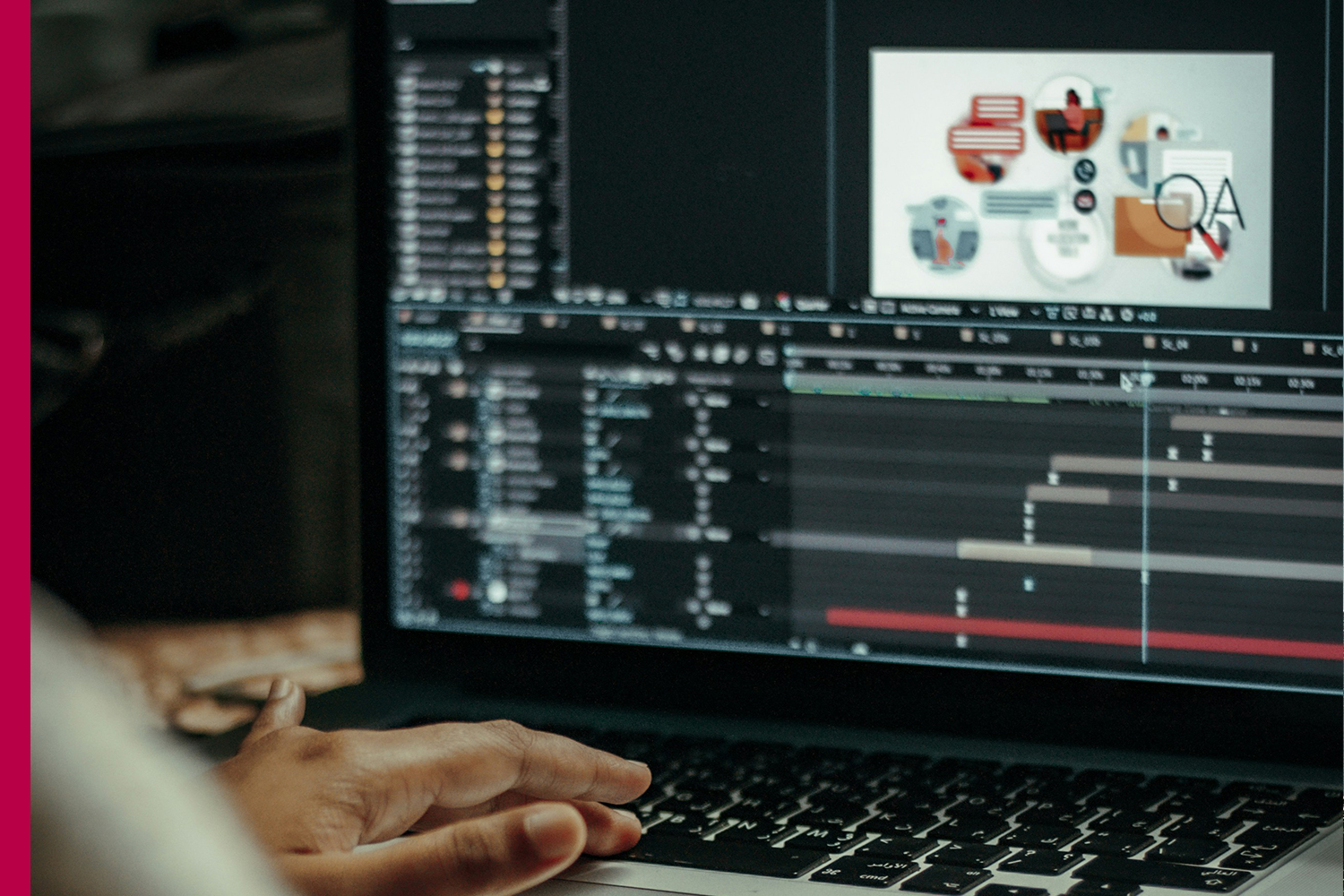
Motion graphics have become one of the most influential forms of visual communication in today’s digital world. Blending graphic design, animation, and storytelling, motion graphics bring static visuals to life, creating dynamic experiences that capture attention and convey information with clarity and creativity. From social media ads to film intros, corporate presentations, and mobile apps, motion graphics are everywhere and their impact continues to grow.
At its core, motion graphics involve moving visual elements to create engaging content. This can include animated text, icons, shapes, and illustrations designed to communicate an idea quickly and effectively. Unlike traditional animation, which often focuses on characters and narratives, motion graphics emphasize design-driven visuals that support information, enhance branding, or illustrate complex concepts in a simple, appealing way.
One of the main reasons motion graphics have surged in popularity is their versatility. In marketing, they help brands communicate messages in memorable and impactful ways. A well-designed motion graphic can make a product demo, advertisement, or explainer video far more engaging than plain text or static images. With shrinking attention spans, businesses rely on motion graphics to capture viewer interest instantly and maintain engagement.
In education and corporate training, motion graphics simplify complex topics by breaking them down into easy-to-understand visuals. Animated infographics, data visualizations, and step-by-step guides make learning more interactive and enjoyable. Instead of overwhelming audiences with numbers or lengthy explanations, motion graphics help deliver information clearly and effectively.
The entertainment industry also heavily embraces motion graphics. Movie title sequences, transitions, and visual effects rely on intricate motion design to set the tone and style of a film or series. Similarly, television shows and sports broadcasts use motion graphic packages to create polished, professional presentations that keep viewers engaged.

Technological advancements have played a key role in the rise of motion graphics. Powerful software such as Adobe After Effects, Cinema 4D, Blender, and Apple Motion have made it easier for designers to experiment with 2D and 3D animation. The availability of templates, plugins, and online tutorials has opened the field to aspiring artists, enabling them to develop skills and explore creative possibilities.
Motion graphics are also integral to UI/UX design. Micro-animations in apps—like button transitions, loading screens, and page movements—enhance user experience by making interactions smoother and more intuitive. These subtle details guide users, provide feedback, and improve the overall feel of digital products.
Beyond aesthetics, motion graphics play an important role in storytelling. They allow creators to express ideas visually, using rhythm, color, and movement to evoke emotions and highlight key points. Whether it’s an animated logo reveal or an inspiring social awareness video, motion graphics add depth and personality to content.
As digital platforms continue to grow, the demand for motion graphics is expected to rise even further. Businesses, educators, and content creators increasingly recognize the value of dynamic visuals in holding attention and communicating effectively.
In conclusion, motion graphics are not just a design trend they are a powerful communication tool shaping the way we consume information. Their ability to combine art, technology, and storytelling makes them indispensable in the modern media landscape. As innovation continues, motion graphics will only become more immersive, creative, and essential to visual communication.