




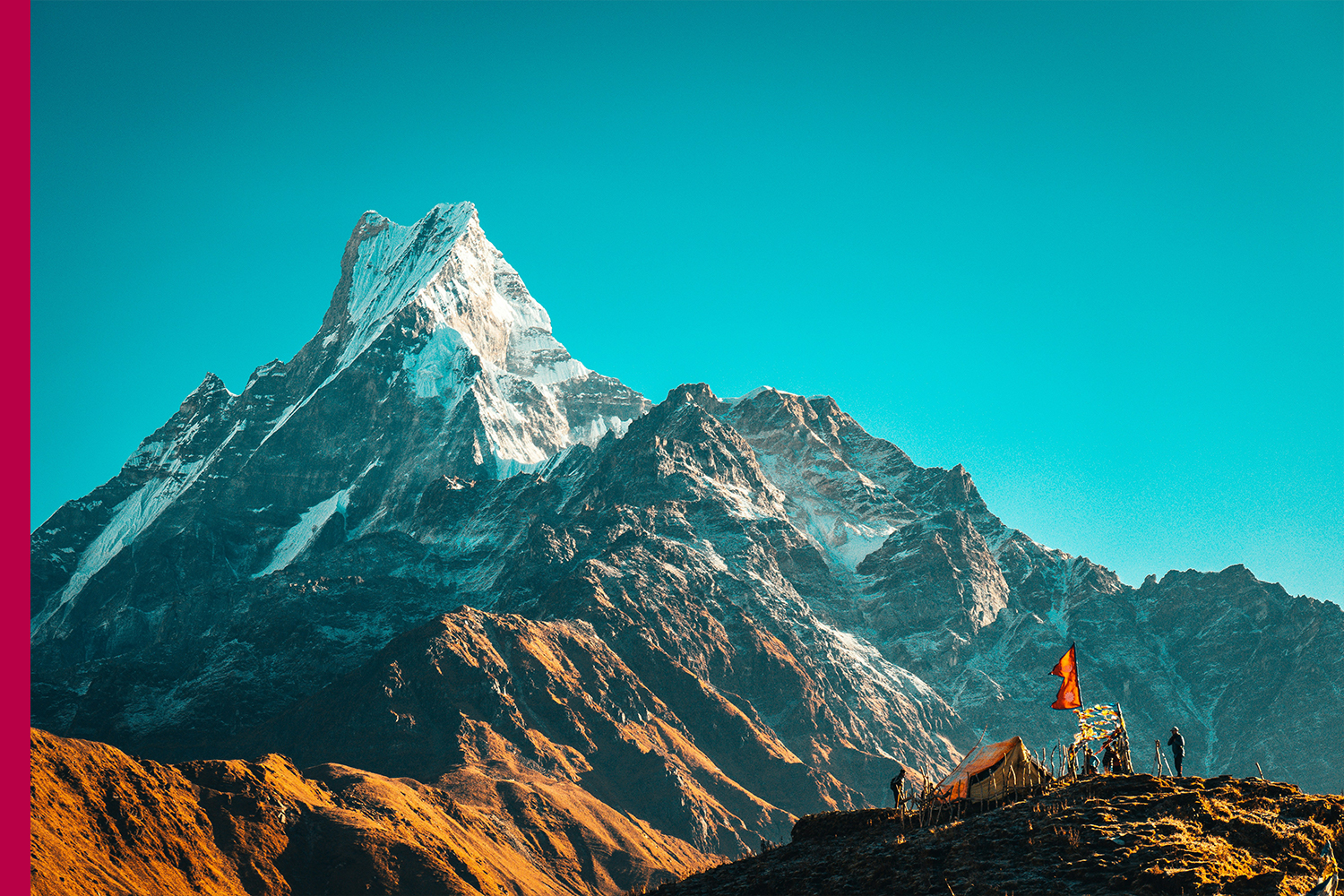
The Himalayas, often called the “Roof of the World,” stand as one of Earth’s most breathtaking natural wonders. Stretching across five countries India, Nepal, Bhutan, China, and Pakistan this majestic mountain range is home to the planet’s highest peaks, including Mount Everest. Beyond their towering heights, the Himalayas carry deep cultural, spiritual, ecological, and geological significance, making them one of the most extraordinary regions in the world.
The formation of the Himalayas began millions of years ago when the Indian tectonic plate collided with the Eurasian plate. This ongoing geological process continues to push the mountains higher, shaping dramatic landscapes filled with rugged cliffs, deep valleys, and pristine glaciers. Their sheer size influences weather patterns across Asia, acting as a natural barrier that shapes the climate of the subcontinent. Monsoons, snowfall, and river systems all depend heavily on this powerful mountain range.
One of the most remarkable features of the Himalayas is their extraordinary biodiversity. The region supports a wide variety of ecosystems—from lush forests to alpine meadows—each home to unique flora and fauna. Snow leopards, red pandas, Himalayan black bears, and rare bird species thrive in these habitats. The forests are rich with rhododendrons, medicinal plants, and high-altitude herbs used in traditional healing systems. These ecosystems are not just beautiful; they play a vital role in maintaining global environmental balance.
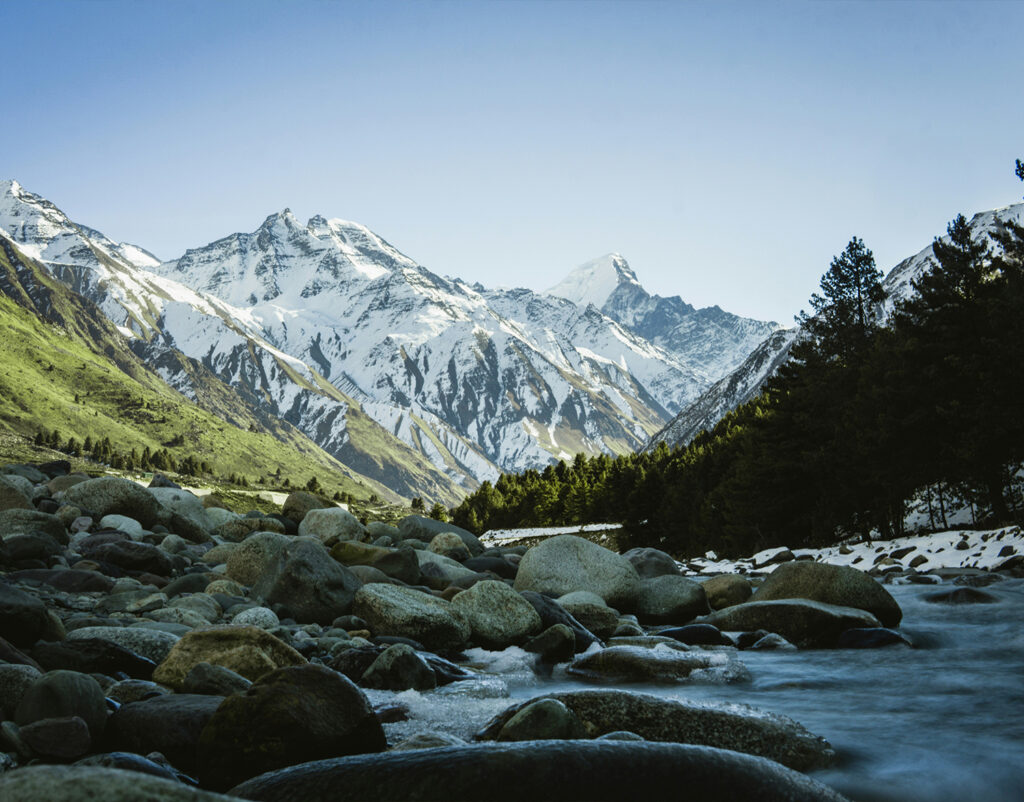
Culturally, the Himalayas hold a sacred place in the hearts of millions. For centuries, these mountains have been revered in Hinduism, Buddhism, and various indigenous traditions. Many believe the Himalayas to be the abode of gods and spiritual masters. Sacred sites like Kailash, Kedarnath, and Hemis attract pilgrims seeking peace, enlightenment, and connection with nature. The serene environment, quiet monasteries, and breathtaking views create a sense of spiritual calm unmatched anywhere else.
The Himalayas are also central to life in the region, providing freshwater to nearly a billion people. Major rivers like the Ganges, Indus, and Brahmaputra originate from Himalayan glaciers. These rivers support agriculture, drinking water needs, and livelihoods across multiple countries. However, climate change poses a significant threat. Glacial melting, rising temperatures, and changing weather patterns endanger both the ecosystem and the communities that depend on it. Conservation efforts are crucial to ensuring the sustainability of this fragile yet vital region.
Adventure enthusiasts from around the world are drawn to the Himalayas for trekking, mountaineering, and exploration. Famous trails like the Annapurna Circuit, Everest Base Camp trek, and Valley of Flowers attract thousands each year. These journeys offer more than physical challenge; they provide deep cultural experiences through interactions with local communities, including the Sherpas, who are known for their strength, hospitality, and resilience.
In essence, the Himalayas are far more than a mountain range—they are a symbol of nature’s grandeur, a source of spiritual inspiration, and a lifeline for millions. Their beauty, mystery, and importance make them one of the most treasured regions on Earth. Preserving the Himalayas is not just an environmental duty; it is a responsibility to future generations who deserve to experience their timeless magic.