




In today’s digital world, data is the backbone of every industry, from healthcare and finance to entertainment and education. As the volume of information continues to grow, storage technology has become more advanced, efficient, and essential than ever before. What once required massive rooms filled with servers can now fit into compact devices or even exist entirely in the cloud. The rapid evolution of storage technology is shaping how we store, access, and protect valuable data in the modern era.
The journey of storage technology began with simple physical methods like punch cards, magnetic tapes, and floppy disks. These early forms had limited capacity and slow processing speeds, yet they paved the way for modern solutions. As technology progressed, hard disk drives (HDDs) became the standard for storing large amounts of data. With their spinning platters and magnetic heads, HDDs provided reliability at affordable prices, making them popular for personal computers and enterprise systems.
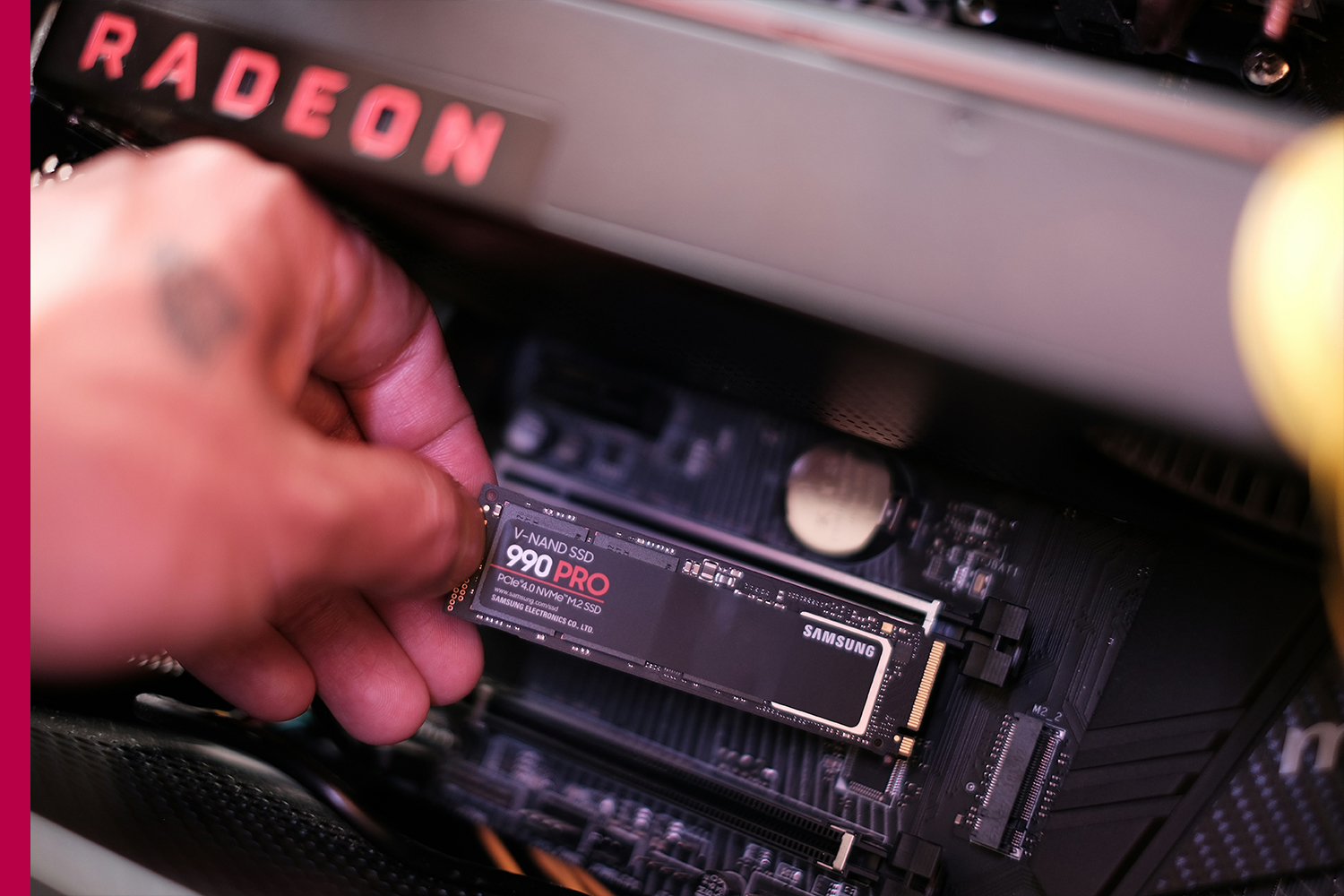
The next major advancement was the solid-state drive (SSD). Unlike HDDs, SSDs have no moving parts, making them faster, more durable, and energy-efficient. SSDs dramatically improved boot times, file transfers, and overall system performance. Their increasing affordability has made them a preferred choice for both consumers and businesses. Today, NVMe (Non-Volatile Memory Express) drives take speed to new heights, offering lightning-fast data access suitable for gaming, AI computing, and high-performance servers.
Data centers also play a crucial role in storage innovation. Modern data centers use advanced cooling systems, optimized hardware, and virtualized environments to store petabytes of information securely. Technologies like hybrid storage combining cloud and on-premise systems—give companies the best of both worlds: speed and control, along with scalability and cost savings.

Emerging storage technologies promise even more exciting possibilities. DNA data storage, for instance, uses the chemical structure of DNA to store information in extremely dense formats. This futuristic approach could store entire libraries in microscopic quantities. Quantum storage, although still in development, has the potential to revolutionize computing by enabling faster processing and near-unlimited capacity. Holographic storage is another innovative concept that may offer faster read/write speeds by storing data in three-dimensional patterns.
Security is also a vital component of modern storage technology. With cyber threats on the rise, encryption, redundancy, and advanced backup systems ensure that data remains safe and recoverable. Techniques like RAID configurations, blockchain-based integrity checks, and secure cloud protocols help safeguard sensitive information.
As technology continues to evolve, storage solutions will become even faster, safer, and more sustainable. The future points toward intelligent systems that automatically manage, optimize, and protect data. Storage technology may be behind the scenes, but its impact is undeniable it powers our digital lives, supports global industries, and drives innovation forward.