



Art, in its many forms, has been an essential part of human expression since the beginning of civilization. From ancient cave paintings to modern digital illustrations, art forms evolve with time, yet their core purpose remains the same: to communicate emotions, ideas, and stories beyond the limits of language. Every art form whether visual, performing, literary, or digital serves as a reflection of culture, creativity, and the human experience.
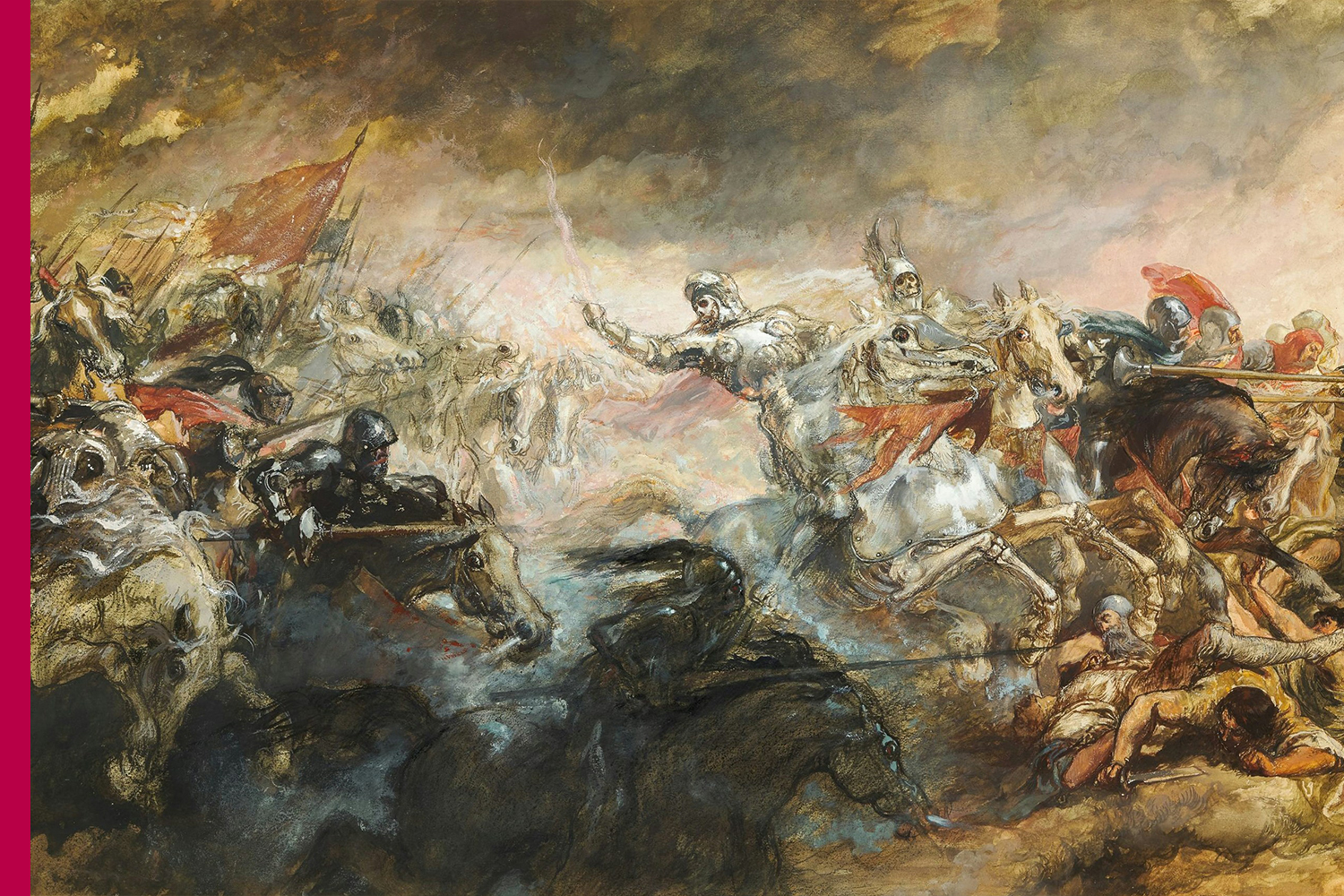
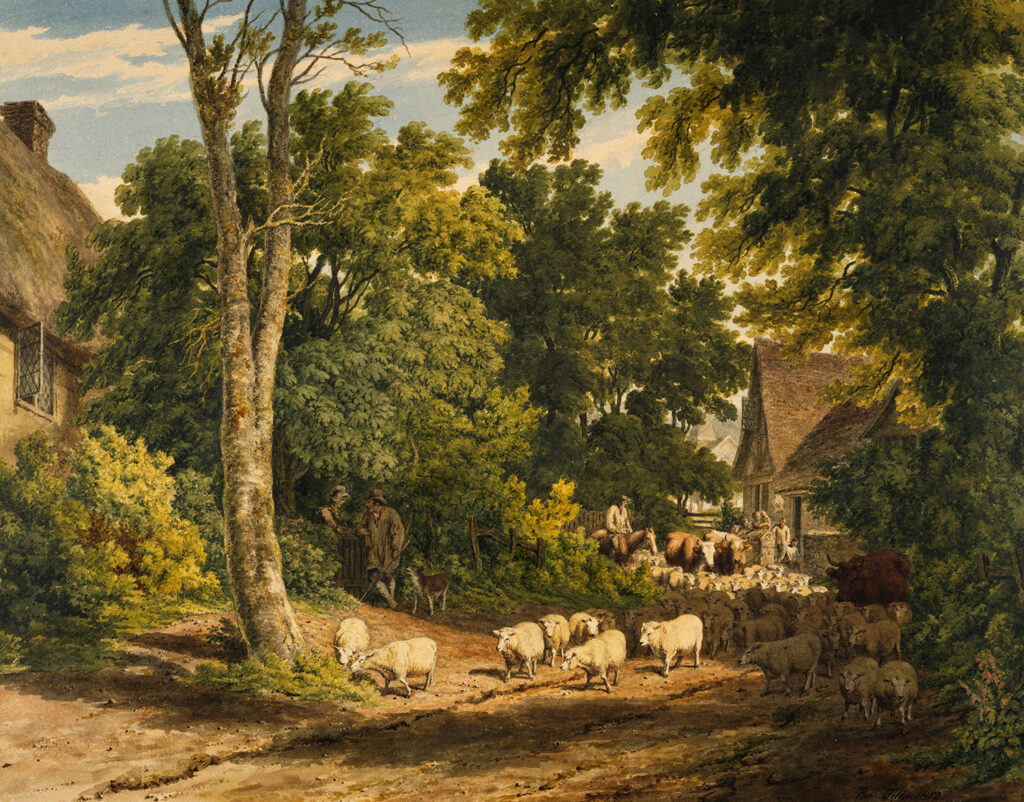
Visual arts, such as painting, sculpture, and photography, allow artists to portray emotions in a tangible form. A single stroke of color or a carefully carved detail can convey messages that words often fail to capture. Visual art connects people across generations and cultures, creating a universal language that speaks directly to the heart. Traditional techniques like watercolors, charcoal, and oil painting exist alongside modern mediums like graphic design and digital artistry, showing how adaptable and limitless art can be.
Performing arts, including dance, music, theater, and film, bring movement, sound, and storytelling to life. These art forms immerse audiences in moments of joy, sorrow, excitement, or contemplation. Dance expresses rhythm and emotion through the body, music resonates through melodies that touch the soul, and theatre brings characters and stories to the stage. Each performance becomes a shared experience, forming a deep connection between the artist and the audience. With the rise of digital platforms, performing arts have found new ways to reach global audiences, proving their relevance in every era.
Literary arts—poetry, fiction, essays, and storytelling use language as their canvas. Words have the power to spark imagination, inspire revolutions, and preserve history. Literary art allows individuals to explore worlds far beyond their own, understand diverse perspectives, and discover meaning in everyday moments. In a world filled with constant noise, literature provides a quiet space for thought, reflection, and creativity.
Crafts and folk arts also play a vital role in preserving cultural heritage. From traditional weaving and pottery to embroidery and woodwork, these art forms carry the legacy of communities and generations. They remind us of our roots, traditions, and the craftsmanship of people who shaped culture long before technology. Today, artisans blend traditional and contemporary styles, keeping ancient art forms alive while making them relevant in modern society.
As technology continues to evolve, digital art has emerged as one of the fastest-growing art forms. Graphic design, animation, 3D modeling, and digital painting offer endless possibilities for creativity. Artists can create entire worlds using software, reaching audiences through social media, online galleries, and virtual exhibitions. This democratization of art allows anyone with passion and skill to share their work globally.
Art forms are more than hobbies or entertainment—they shape identity, inspire innovation, and influence society. They help people express what cannot be said, heal emotional wounds, and celebrate life’s beauty. Whether traditional or modern, every art form holds a special place in the world. Ultimately, art is a celebration of human creativity. It evolves, adapts, and expands, but its essence remains timeless. In appreciating and practicing art, we honor our past, enrich our present, and inspire the future.