




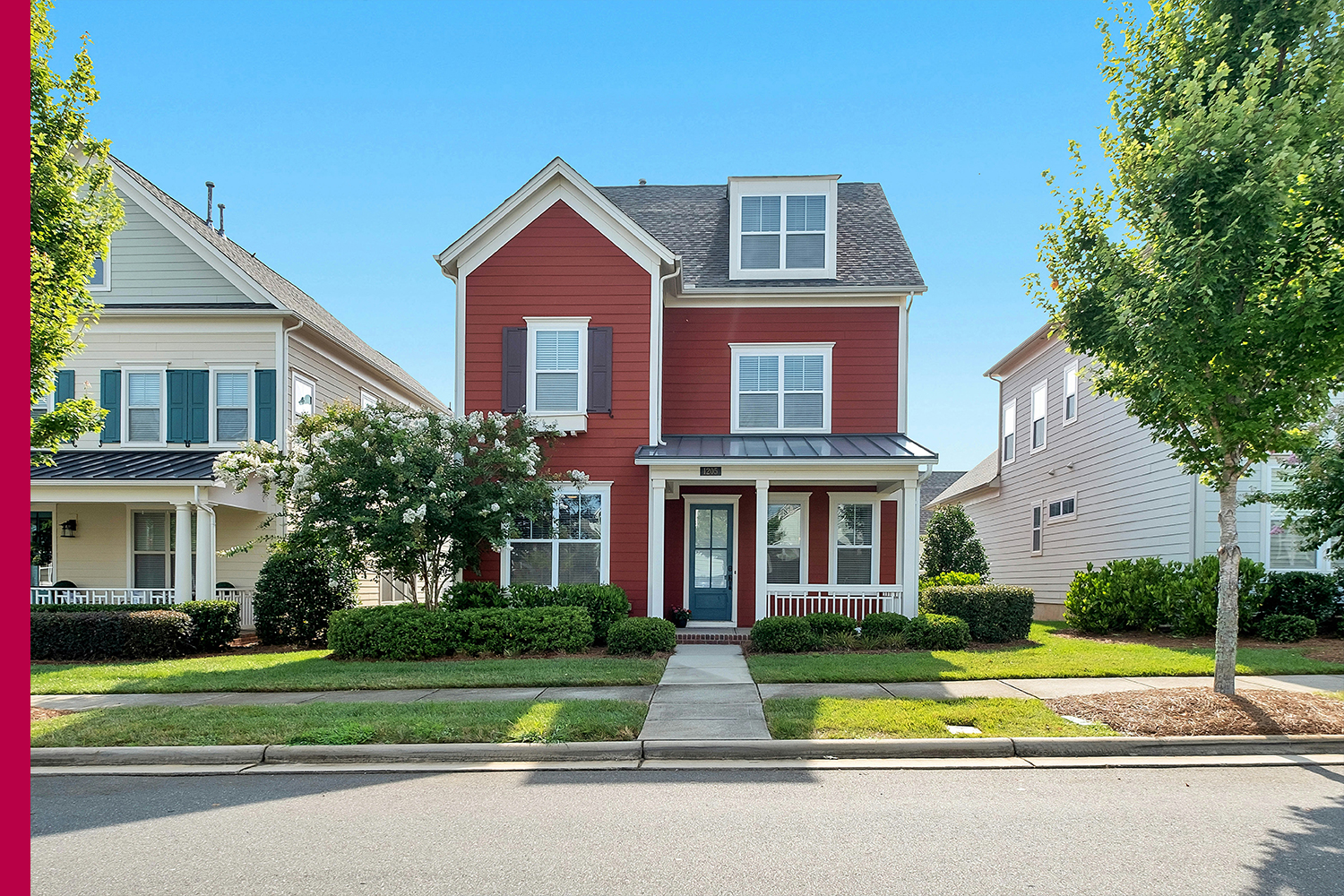
Real estate is often viewed as one of the most reliable and rewarding investment options. From rental properties and commercial spaces to land investments and luxury homes, the potential for wealth creation is significant. However, like any other investment, real estate also comes with its own set of risks. Understanding these risks is essential for investors, homeowners, developers, and anyone stepping into the property market. Being aware of potential challenges helps in making informed decisions and avoiding costly mistakes.
One of the most common risks in real estate is market volatility. Property values can fluctuate due to economic changes, interest rates, political situations, and shifts in supply and demand. An economic downturn or recession can cause prices to drop suddenly, leaving investors with properties worth less than they paid. Even local factors like the development of nearby infrastructure, changes in neighborhood quality, or migration patterns can impact property values. Investors need to be prepared for these fluctuations and avoid relying solely on rising prices.
Location risk is another major concern. The saying “location is everything” holds true in real estate because the success of a property heavily depends on where it is situated. A property in a rapidly developing area may appreciate in value, while one in a declining neighborhood could fall in demand. Factors like crime rates, accessibility, school quality, and future developmental plans all influence the long-term value of a property. Buying without proper research can lead to unexpected losses.

Financial risk also plays a significant role. Many buyers use loans or mortgages to invest in real estate. If interest rates rise, monthly payments can become higher, increasing financial pressure. In some cases, investors may struggle to pay off loans if rental income decreases or the property remains vacant for long periods. Over-leveraging borrowing too much can turn a promising investment into a financial burden.
Legal and regulatory risks are equally important. Property laws differ from region to region, and failing to follow legal procedures can lead to disputes, fines, or even loss of ownership. Issues like unclear property titles, zoning restrictions, encroachments, and building code violations can delay projects or affect resale value. For developers, delays in permits or changes in government policies can significantly increase costs or halt construction altogether.
Legal and regulatory risks are equally important. Property laws differ from region to region, and failing to follow legal procedures can lead to disputes, fines, or even loss of ownership. Issues like unclear property titles, zoning restrictions, encroachments, and building code violations can delay projects or affect resale value. For developers, delays in permits or changes in government policies can significantly increase costs or halt construction altogether.
Environmental risks cannot be ignored. Natural disasters like floods, earthquakes, and storms can cause severe damage to properties. Buying in high-risk zones without proper insurance can lead to devastating financial losses. Additionally, issues like soil quality, water availability, and pollution can affect the long-term appeal of a location.
In conclusion, real estate offers great opportunities but demands careful planning and awareness of risks. Market research, legal checks, financial assessment, and long-term strategy are essential to navigate the complex property landscape. With the right knowledge and cautious approach, investors can minimize risks while maximizing the benefits of this powerful wealth-building asset.