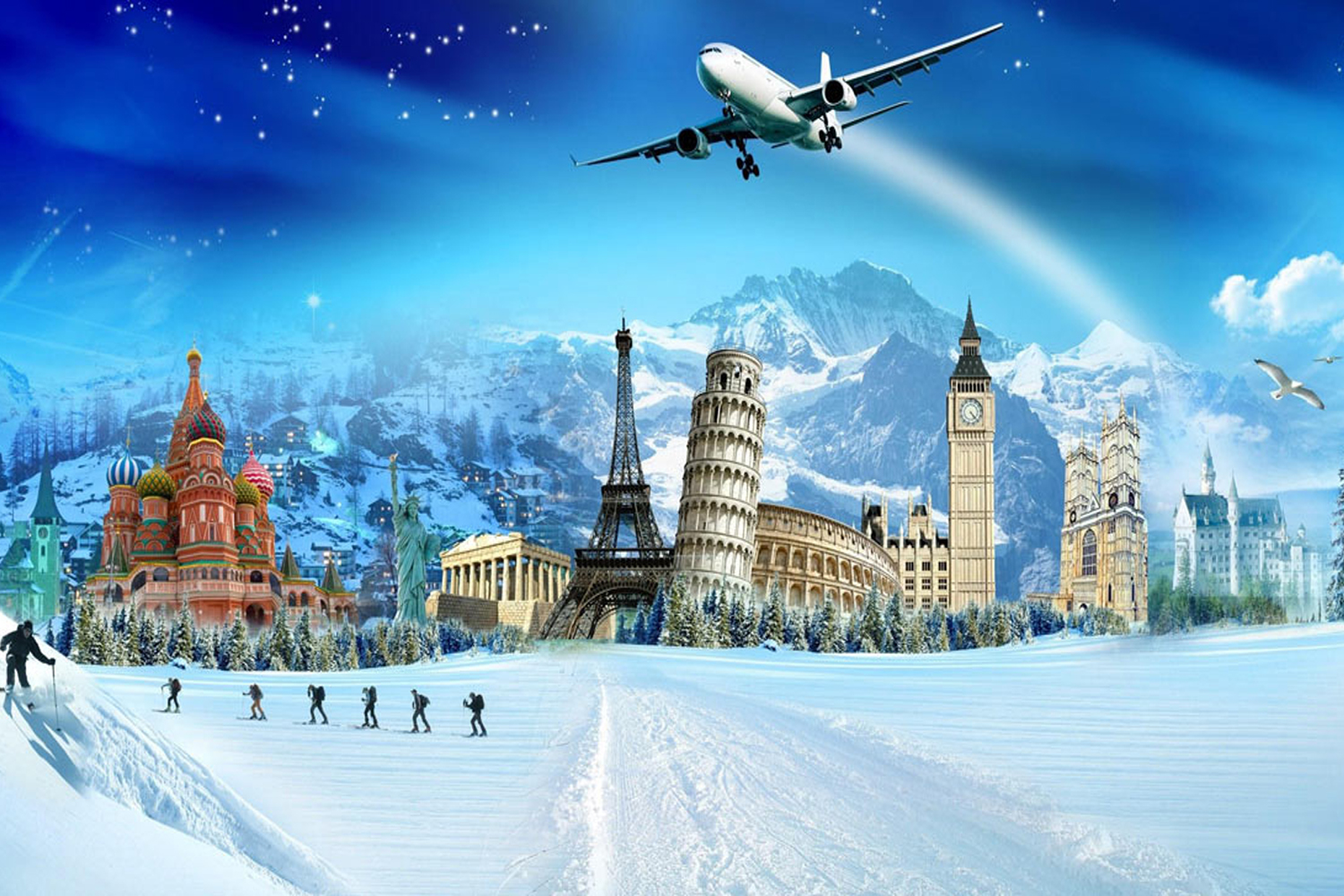





Tourism is one of the most dynamic and fast-growing sectors in the world, shaping economies, influencing cultures, and enriching lives. It goes far beyond leisure travel; tourism is about exploration, discovery, and the exchange of ideas. As people continue to travel for adventure, relaxation, business, or learning, the industry plays a vital role in connecting the world in meaningful ways.
At its core, tourism is an experience-driven activity. It allows individuals to step out of their routines and immerse themselves in new environments. Whether visiting a historical monument, relaxing on a beach, exploring mountain trails, or experiencing urban nightlife, tourism offers endless possibilities. Each journey provides exposure to different cultures, traditions, and lifestyles, fostering global understanding and appreciation. Travelers carry home stories, memories, and perspectives that broaden their worldview.
One of the most significant contributions of tourism is its impact on the global economy. It is a major source of income for many countries, generating billions of dollars annually. From hotels, restaurants, and transportation services to local markets, artisans, and tour guides, a wide network of businesses thrives because of tourism. It creates employment opportunities at various skill levels, supporting millions of people worldwide. In developing regions, tourism often acts as a lifeline, helping communities grow and sustain their livelihood.
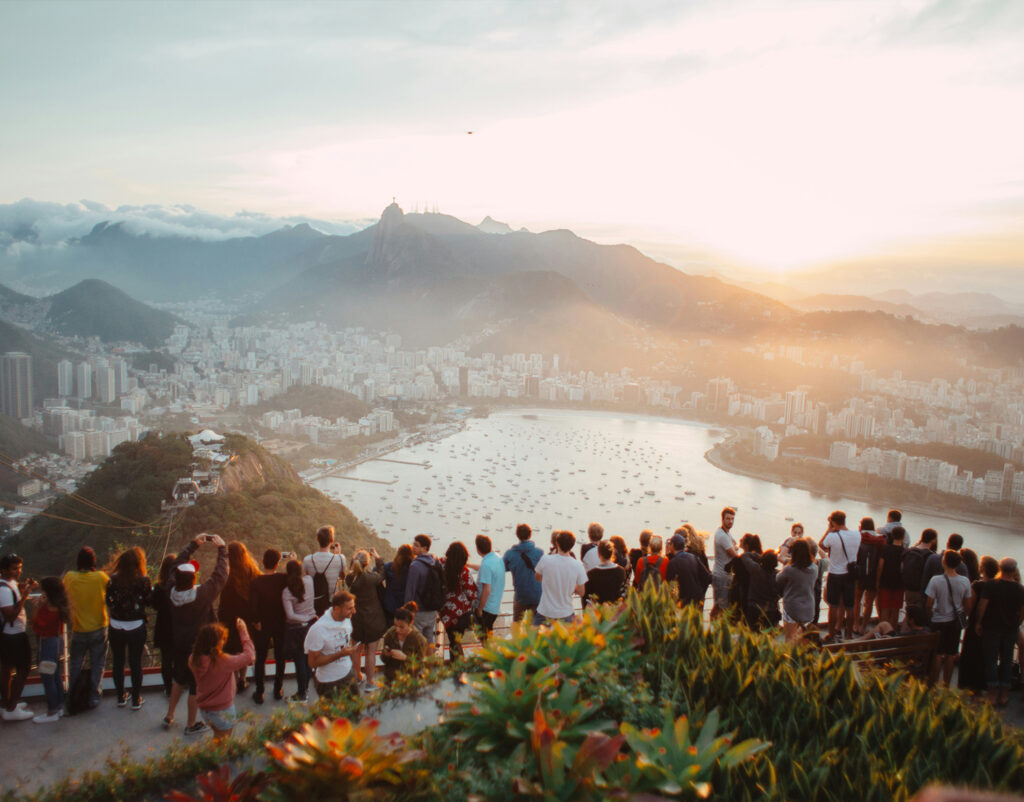
Besides economic benefits, tourism plays an essential role in cultural preservation. When tourists visit cultural heritage sites, museums, festivals, and traditional villages, they indirectly support initiatives that help maintain these treasures. Revenue from tourism is frequently used to conserve historical landmarks, protect wildlife, and sustain traditional crafts. At the same time, cultural exchange becomes a two-way interaction—tourists learn about local customs, while locals engage with global cultures, creating a harmonious blend of shared experiences.
Tourism also drives infrastructure development. The need for better connectivity encourages governments and private sectors to invest in roads, airports, public transportation, and accommodation facilities. Improved infrastructure benefits not only tourists but also local residents, enhancing their everyday quality of life. Technological advancements, such as online booking platforms, digital maps, and virtual tours, have also revolutionized the way people plan and experience travel.
However, tourism is not without challenges. Overcrowding in popular destinations, environmental degradation, and cultural exploitation can occur if tourism is not managed responsibly. This has led to the rise of sustainable tourism, which promotes eco-friendly travel, respect for local cultures, and the protection of natural resources. Travelers are increasingly choosing destinations that offer green practices, ethical wildlife experiences, and community-based tourism that benefits local populations.
In recent years, new trends such as adventure tourism, solo travel, wellness retreats, and digital nomadism have redefined the travel landscape. People are seeking more authentic, meaningful experiences rather than traditional sightseeing. Social media has also transformed tourism, inspiring millions through stunning visuals and travel storytelling.
In conclusion, tourism is a powerful force that unites the world. It enriches individuals through memorable experiences while uplifting economies and preserving cultural and natural heritage. As travelers, choosing responsible and conscious tourism ensures that future generations can continue to explore and enjoy the beauty of our world. Each journey becomes a bridge—connecting people, places, and possibilities.