








Solar energy has emerged as one of the most promising and transformative solutions in the global shift toward clean and sustainable power. As the world continues to face the challenges of climate change, rising energy demands, and diminishing fossil fuel resources, solar power stands out as a renewable, abundant, and eco-friendly alternative. It is not just a trend; it is a crucial step toward building a greener future.
At its core, solar energy harnesses the power of sunlight and converts it into electricity using photovoltaic (PV) panels or solar thermal systems. What makes this source remarkable is its infinite supply. The sun radiates more energy in one hour than the entire world consumes in a year. By tapping into even a fraction of this resource, we can significantly reduce reliance on conventional fuels and lower carbon emissions.
One of the biggest advantages of solar energy is its environmental impact. Unlike coal or natural gas, solar power does not produce harmful pollutants or greenhouse gases. It reduces air pollution, slows global warming, and promotes healthier living conditions. Solar panels also require minimal maintenance and have a long lifespan, making them a sustainable choice for households, industries, and governments.
Another major benefit is the economic value of solar energy. Over the past decade, the cost of solar panels has dropped dramatically due to advancements in technology, large-scale production, and increased global demand. This affordability has encouraged many homeowners and businesses to install rooftop solar systems. In addition to reducing electricity bills, many regions offer incentives, tax credits, and subsidies that make the switch even more appealing. Solar installation also creates job opportunities in manufacturing, installation, maintenance, and research, boosting economic growth.
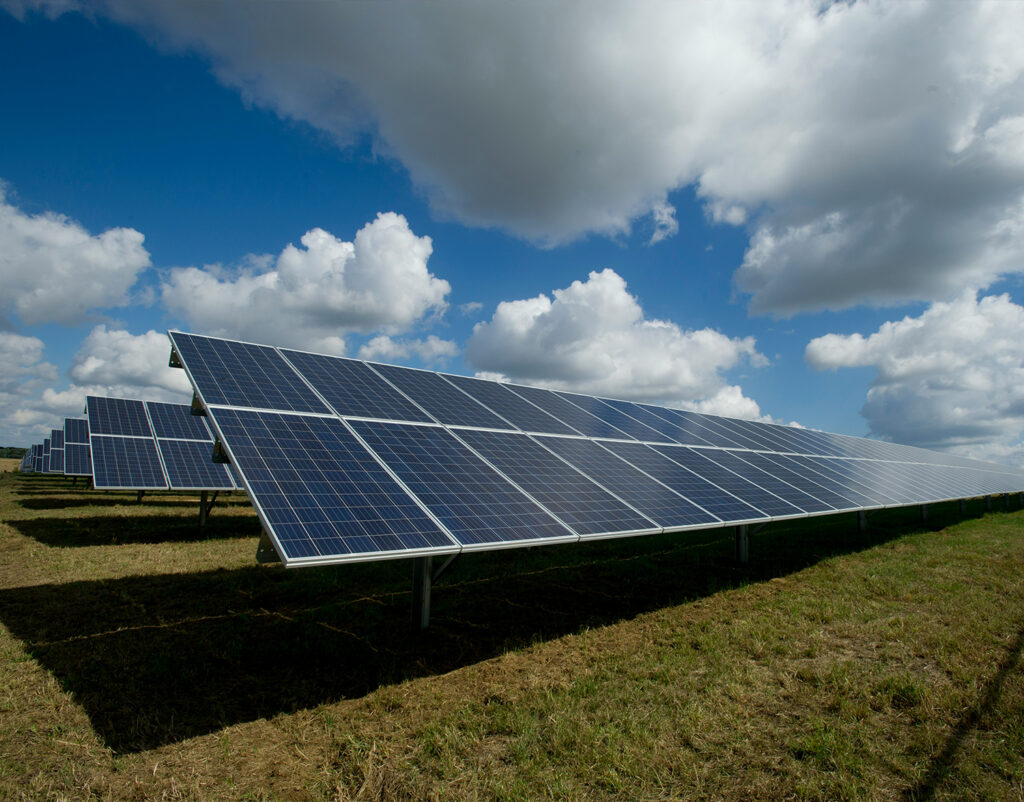
Solar energy is also highly versatile. It can be used in large solar farms that power entire cities, in small rooftop systems for individual homes, or even in portable devices like solar lanterns and chargers. Off-grid solar solutions play a crucial role in remote and rural areas where traditional electricity infrastructure is limited or absent. By providing reliable energy access, solar power supports education, healthcare, and small businesses in underserved communities.
Innovation continues to push the boundaries of what solar energy can achieve. Modern developments like floating solar farms, solar-integrated buildings, and high-efficiency solar cells are expanding the possibilities. Battery storage systems are also evolving, enabling solar power to be stored and used during nighttime or cloudy weather, addressing one of the main limitations of traditional solar setups.
Despite its immense benefits, solar energy still faces challenges. High initial installation costs, the need for large spaces for solar farms, and dependency on weather conditions can pose limitations. However, ongoing research and technological advancements are steadily overcoming these barriers.
In conclusion, solar energy is a powerful force shaping the future of global energy systems. As adoption continues to grow, it brings with it environmental protection, economic opportunities, and technological innovation. By embracing solar power, we are choosing a sustainable path one that illuminates our homes, communities, and future with clean, renewable light.