





A designer’s work is often admired for its beauty, precision, and creativity. But behind every great design lies something deeper a designer mindset. This mindset goes beyond creating visually appealing work; it’s about problem-solving, empathy, innovation, and purpose. Whether designing a logo, a building, or a user interface, a designer’s way of thinking shapes how the world looks, feels, and functions.
At its core, the designer mindset is rooted in curiosity and observation. Designers see the world differently they notice details that others might overlook. Every challenge is viewed as an opportunity to create something better. They constantly ask questions like: Why is this designed this way? Can it be improved? How will people interact with it? This curiosity drives experimentation and discovery, helping designers develop creative solutions that are both functional and meaningful.
One of the most important traits of a designer mindset is empathy. Great design begins with understanding people their needs, emotions, and behaviors. A designer steps into the shoes of the user to create experiences that feel natural and intuitive. For example, a product designer might focus on how easily a person can use a device, while a graphic designer considers how colors and shapes can evoke emotions. This empathy-driven approach ensures that design isn’t just beautiful, but also human-centered.
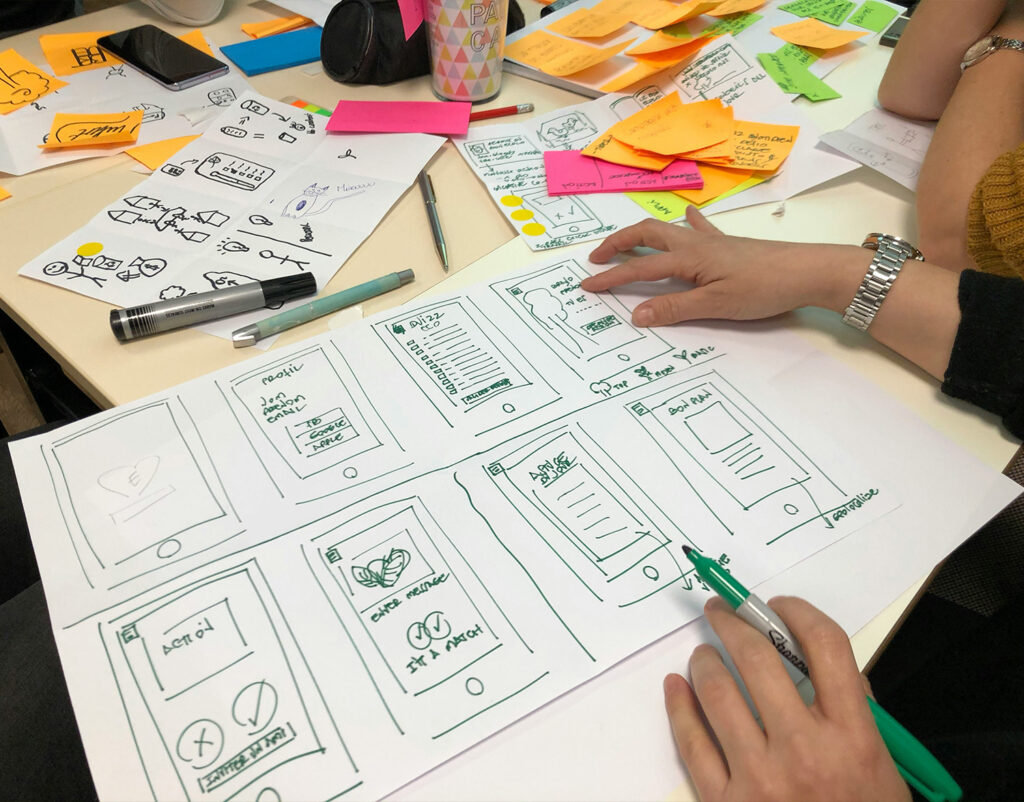
The ability to embrace failure is another key aspect of the designer mindset. In the creative process, not every idea works out. Instead of seeing failure as defeat, designers view it as a valuable part of learning. Prototyping, testing, and iterating are essential steps in refining an idea. This cycle of experimentation encourages growth and innovation. It’s this willingness to take risks, learn from mistakes, and adapt that separates a good designer from a great one.
The modern designer must also think strategically. Design today is deeply interconnected with business, technology, and society. A designer’s decisions can influence how a brand is perceived, how efficiently a product functions, or even how inclusive an experience feels. Therefore, a designer mindset combines creativity with critical thinking balancing aesthetics with practicality and innovation with impact. Designers must consider not only what looks good, but what works well and what adds value.
Collaboration is another cornerstone of this mindset. Designers rarely work in isolation. They collaborate with engineers, marketers, clients, and users to bring ideas to life. Effective communication, open-mindedness, and adaptability allow designers to integrate diverse perspectives into cohesive solutions. Through teamwork, they transform abstract ideas into tangible results that meet both artistic and functional goals.
Finally, a true designer mindset embraces lifelong learning. The world of design constantly evolves with new tools, technologies, and trends. Successful designers stay curious, keep experimenting, and never stop improving. They draw inspiration from art, nature, culture, and everyday life — blending creativity with real-world understanding.
In conclusion, a designer mindset is more than creativity it’s a way of thinking, seeing, and shaping the world. It combines empathy, innovation, resilience, and strategy to solve problems and create meaningful impact. Whether in art, technology, or everyday life, adopting a designer mindset allows us all to approach challenges with imagination and purpose designing not just products, but better experiences and a better future.