


Agriculture is one of the oldest and most essential human activities the foundation upon which civilizations have grown and societies have thrived. It provides food, raw materials, and employment to billions of people across the globe. Even in today’s age of technological innovation and industrialization, agriculture remains the backbone of many economies, especially in developing countries. It is not just about growing crops; it’s about sustaining life, supporting communities, and maintaining ecological balance.
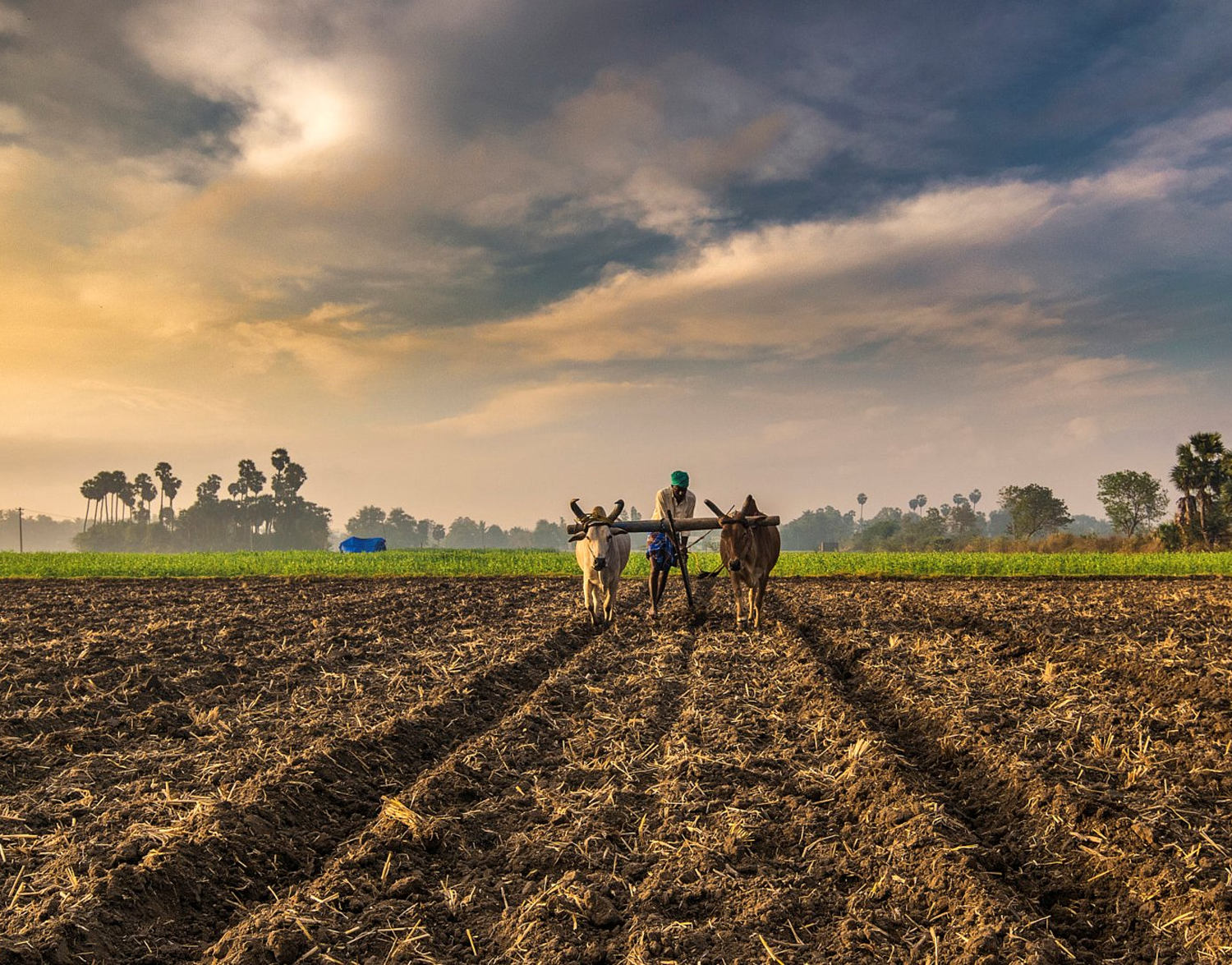
From ancient farming techniques to modern mechanized cultivation, agriculture has continuously evolved. Early humans learned to grow grains, vegetables, and fruits, marking the beginning of settled communities. With the advent of irrigation, fertilizers, and crop rotation, farming became more productive. The Green Revolution in the 20th century brought dramatic changes — introducing high-yield varieties, chemical fertilizers, and advanced irrigation methods that helped feed a growing global population. Today, the world stands on the brink of another transformation driven by smart farming and agricultural technology.
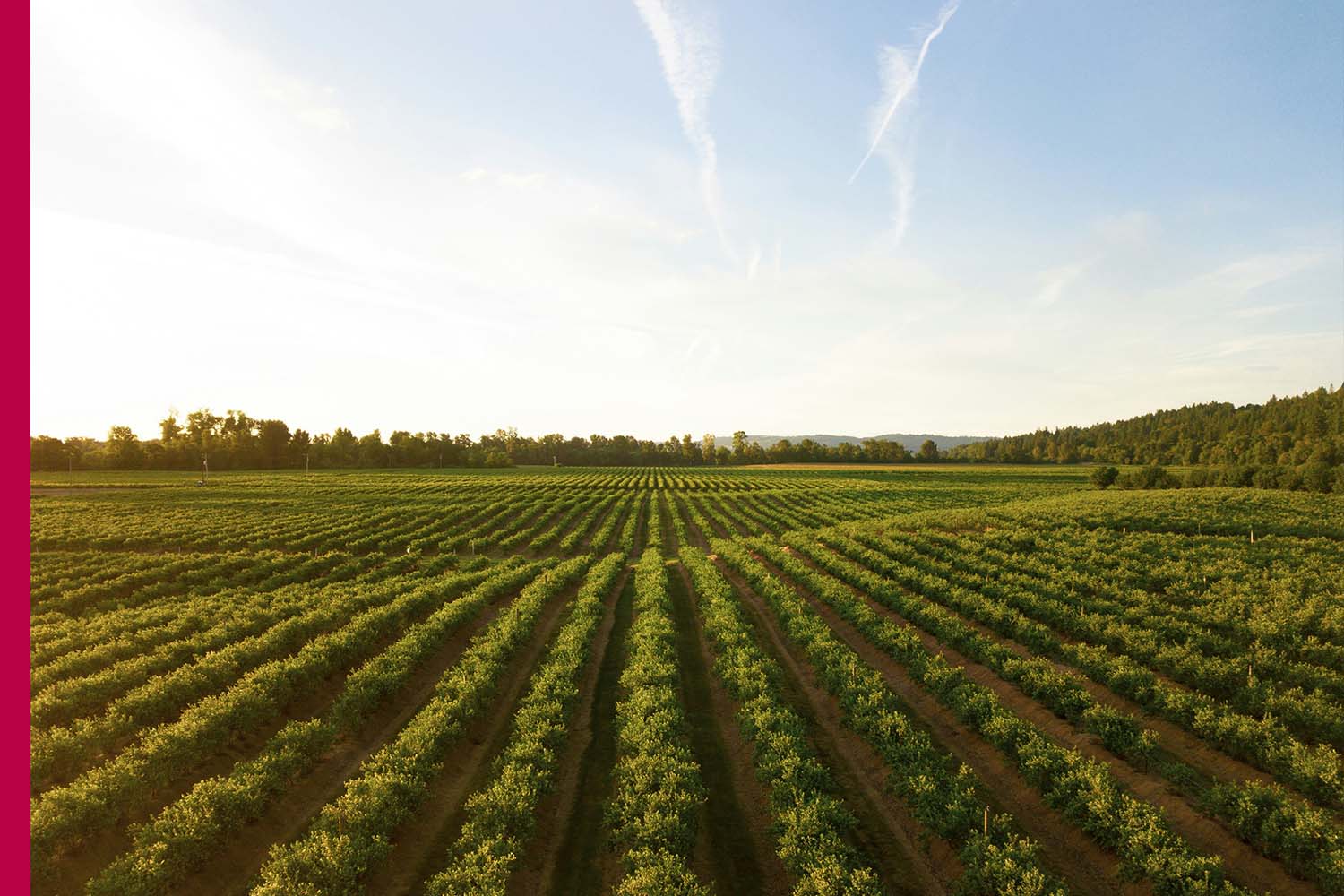
Modern agriculture integrates technology like never before. The use of drones, sensors, GPS mapping, and artificial intelligence has given rise to precision farming — an approach that allows farmers to monitor soil health, weather conditions, and crop growth with accuracy. This ensures that resources like water, fertilizers, and pesticides are used efficiently, reducing waste and environmental impact. Greenhouses, hydroponics, and vertical farming are helping farmers grow crops even in limited spaces, providing sustainable solutions for urban areas and regions with poor soil quality.
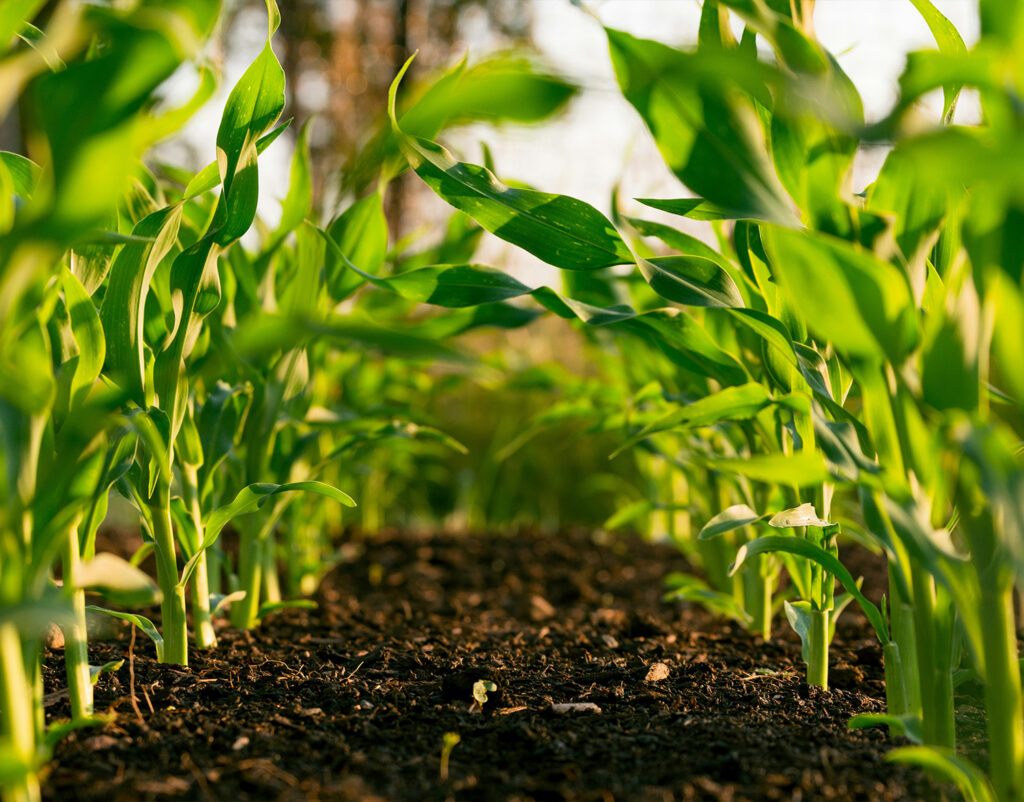
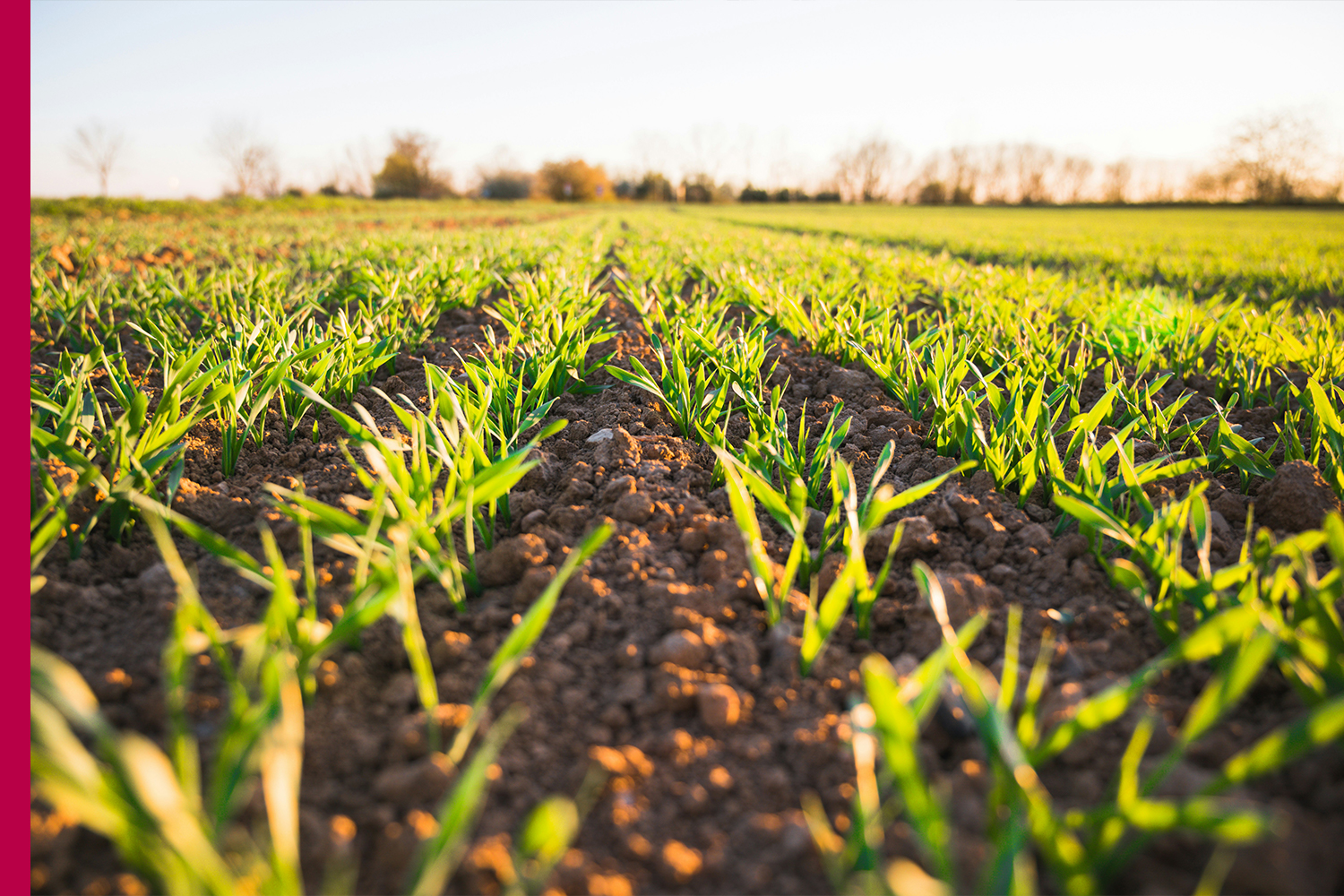
Beyond technology, sustainability has become a central concern in agriculture. Over the years, excessive use of chemicals, deforestation, and poor water management have led to soil degradation, loss of biodiversity, and climate change. To counter these challenges, farmers and researchers are turning toward organic and regenerative farming practices. These methods emphasize natural composting, crop diversity, and soil conservation — ensuring long-term productivity while protecting the planet. Sustainable agriculture also includes efficient water management, renewable energy use, and the preservation of traditional farming knowledge that has stood the test of time.
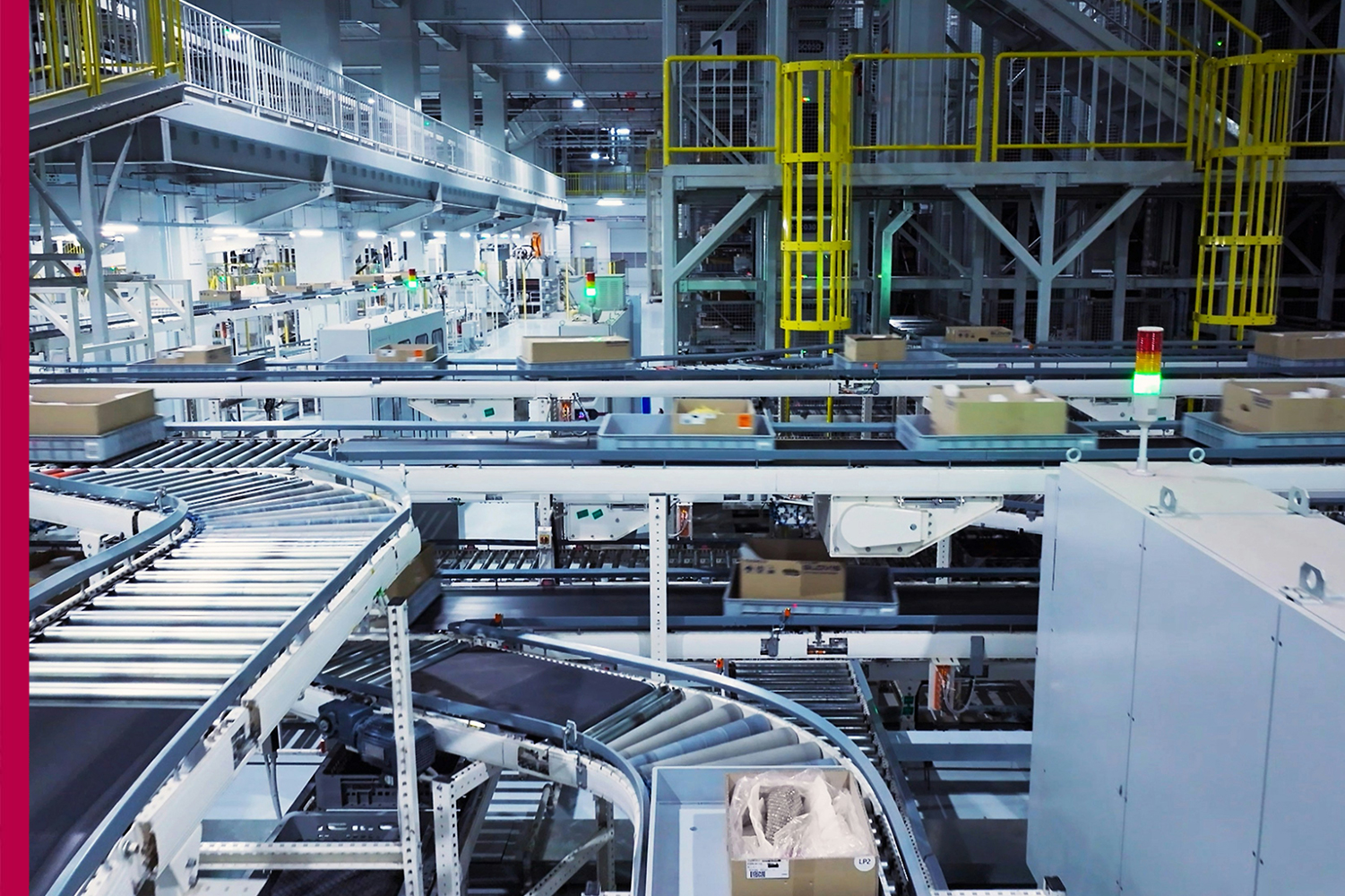
The economic and social impact of agriculture is immense. It employs nearly a third of the global workforce and is a key source of livelihood for rural populations. It fuels industries like textiles, food processing, and biofuels by providing essential raw materials. Moreover, agriculture ensures food security, which is critical for political and social stability. When farming thrives, so do local economies, education, and healthcare. Supporting farmers with fair prices, access to technology, and government policies is essential for maintaining this vital sector.
Looking ahead, the future of agriculture lies in innovation and collaboration. Climate-smart agriculture, biotechnology, and digital platforms for farmers will play major roles in addressing food shortages and adapting to climate change. Educating young farmers, promoting sustainable practices, and investing in research can make agriculture more efficient and resilient.
In conclusion, agriculture is far more than an industry — it is the heartbeat of humanity. It connects people to the earth, fuels economies, and nourishes nations. As we move toward a more advanced and interconnected world, preserving and improving agricultural systems is crucial for our collective survival. Sustainable, technology-driven, and inclusive agriculture will ensure that future generations inherit a planet rich in both food and natural harmony.