




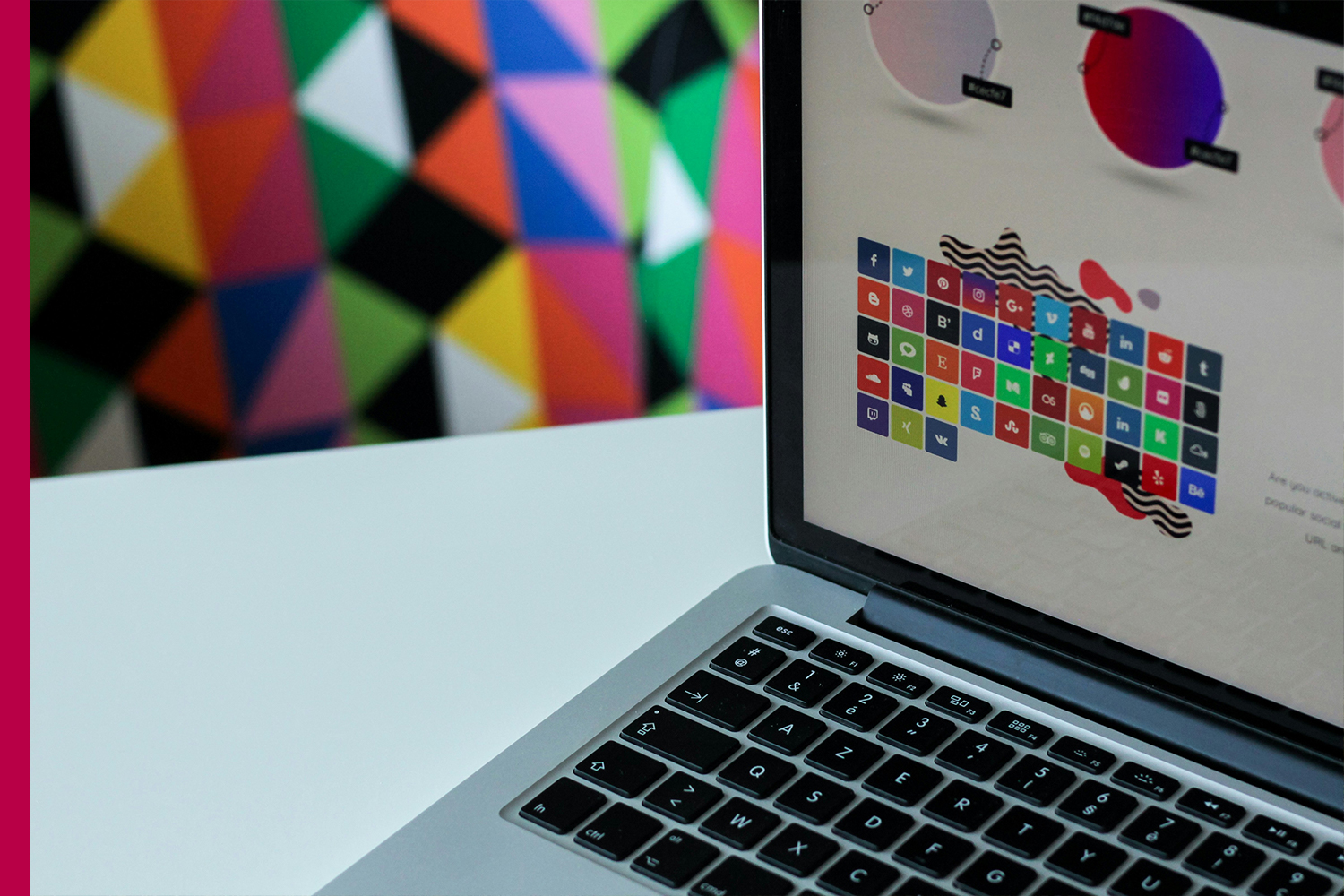
In today’s fast-paced digital world, graphic knowledge has become one of the most essential tools for communication and learning. It refers to the ability to understand, create, and interpret visual content such as images, infographics, illustrations, and designs to convey information effectively. As humans are naturally visual learners, the power of graphics lies in their ability to simplify complex ideas, engage audiences, and create lasting impressions.
The saying “a picture is worth a thousand words” perfectly captures the essence of graphic knowledge. In an era where attention spans are shrinking, visuals can communicate more quickly and clearly than text alone. Businesses, educators, and media professionals increasingly rely on visual storytelling to connect with their audiences. From social media graphics and advertisements to educational charts and brand logos, graphic knowledge helps shape how people perceive and process information every day.
One of the primary benefits of graphic knowledge is its role in effective communication. Visuals transcend language barriers and cultural differences, making them a universal medium of expression. For instance, symbols, icons, and color codes can instantly convey meaning — whether it’s a red stop sign, a heart emoji, or a company logo. This visual literacy enables people to understand messages faster and remember them longer.
In the field of education, graphic knowledge plays a transformative role. Visual aids such as diagrams, infographics, and digital illustrations make learning more interactive and accessible. Students can grasp difficult subjects like science, history, and mathematics more easily through visual explanations. Moreover, with the rise of e-learning platforms, educators are using graphic-based content to make lessons more engaging and immersive, promoting better retention and understanding.

In the business and marketing world, graphic knowledge drives branding and customer engagement. A well-designed logo, advertisement, or social media post can capture attention, convey emotion, and build trust. Graphic designers and marketers use color psychology, typography, and composition to influence perception and consumer behavior. For example, blue is often associated with trust and reliability, making it a popular choice for tech and finance companies, while bright colors evoke excitement and creativity in entertainment and fashion brands.
The growth of digital media and technology has further expanded the scope of graphic knowledge. Tools like Adobe Photoshop, Illustrator, Canva, and Figma have empowered individuals to create high-quality visual content easily. Even social media platforms now encourage visual storytelling through reels, infographics, and motion graphics. Understanding design principles and visual communication has become a valuable skill for professionals across industries — not just for artists or designers.
Graphic knowledge also contributes to critical thinking and creativity. It helps individuals analyze visual information, recognize design trends, and interpret the intent behind images. In a world where visuals can influence opinions and shape beliefs, developing visual literacy is crucial for identifying credible information and avoiding misinformation.
In conclusion, graphic knowledge is more than just an artistic skill — it is a modern necessity. It empowers people to communicate ideas, learn effectively, and think creatively. As the digital landscape continues to evolve, mastering the language of visuals will be key to success in education, business, and everyday life. In essence, graphic knowledge bridges the gap between imagination and understanding, transforming the way we see and interact with the world.