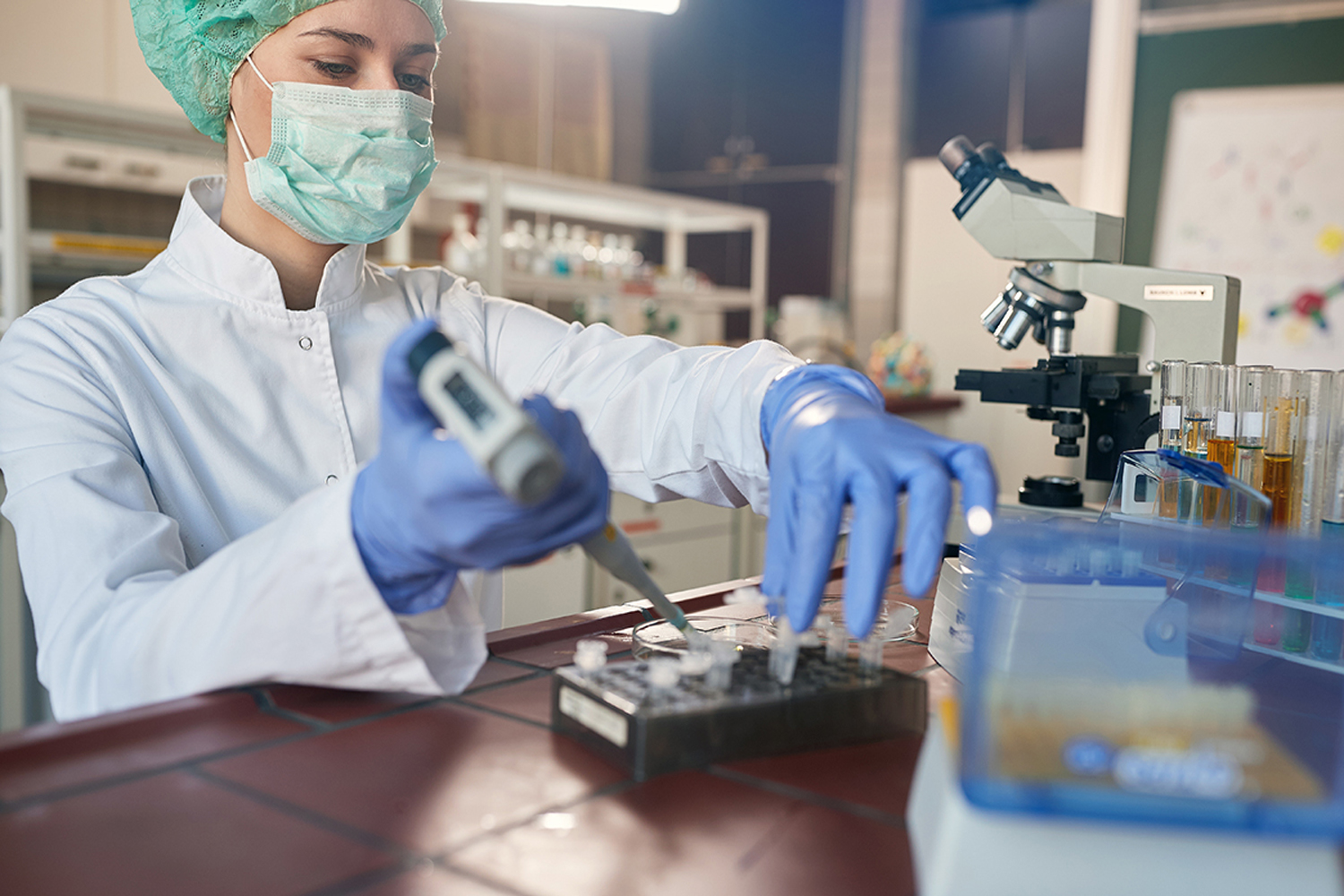


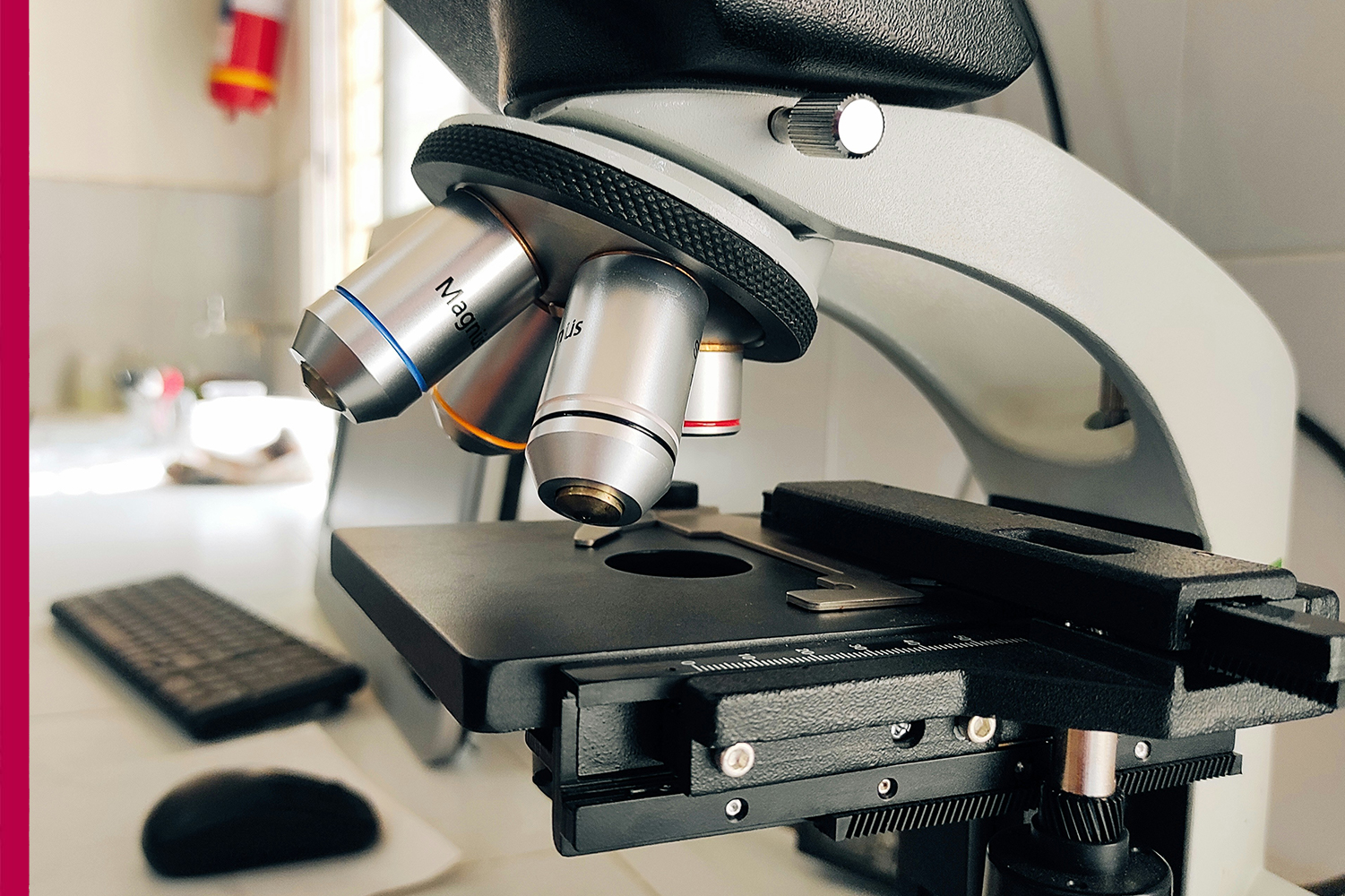

Biotechnology, often referred to as biotech, is one of the most revolutionary fields of modern science. It combines biology, technology, and innovation to develop products and processes that improve human life and the environment. From genetically modified crops and vaccines to biofuels and medical therapies, biotechnology has touched nearly every industry, shaping the future of healthcare, agriculture, and sustainability.
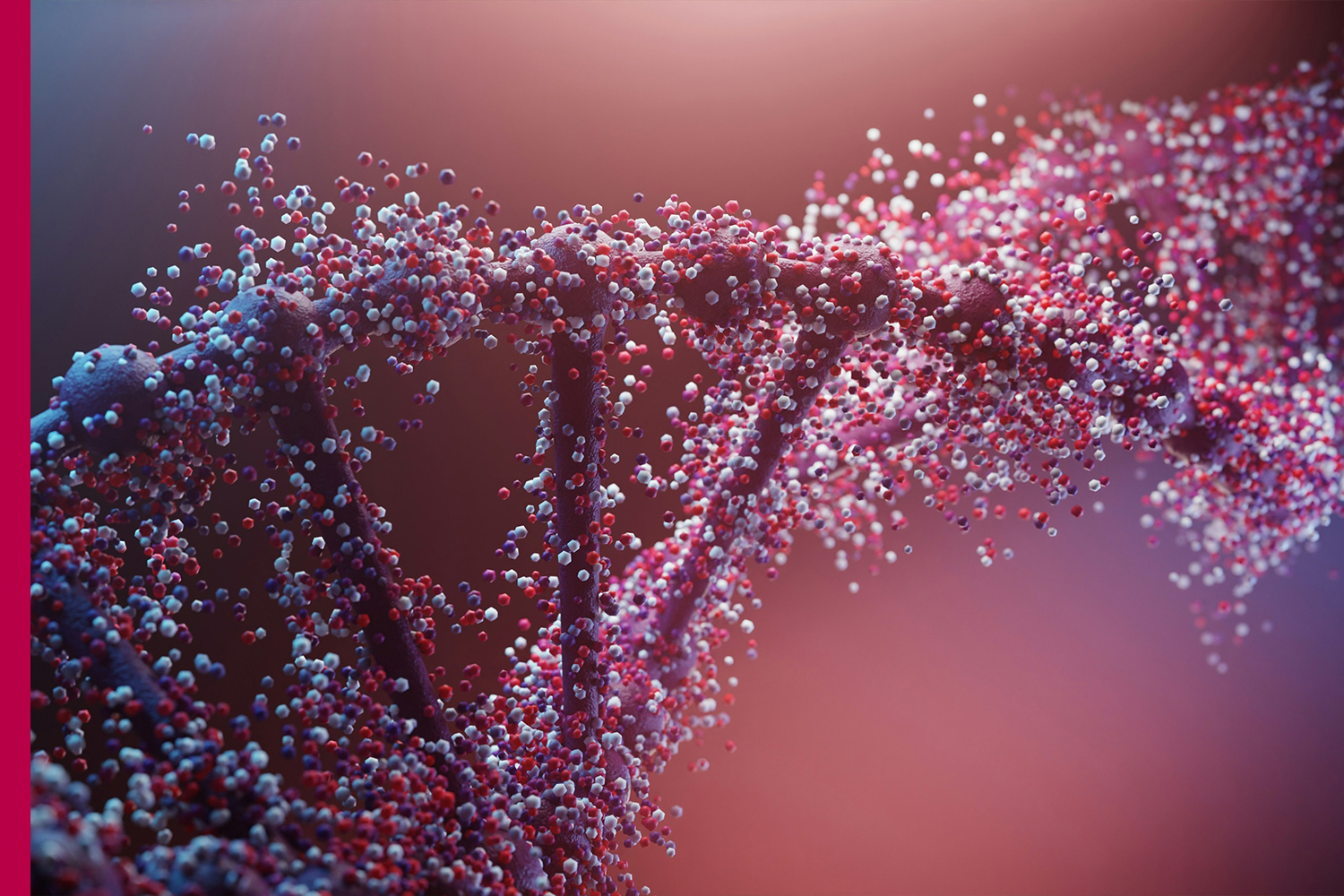
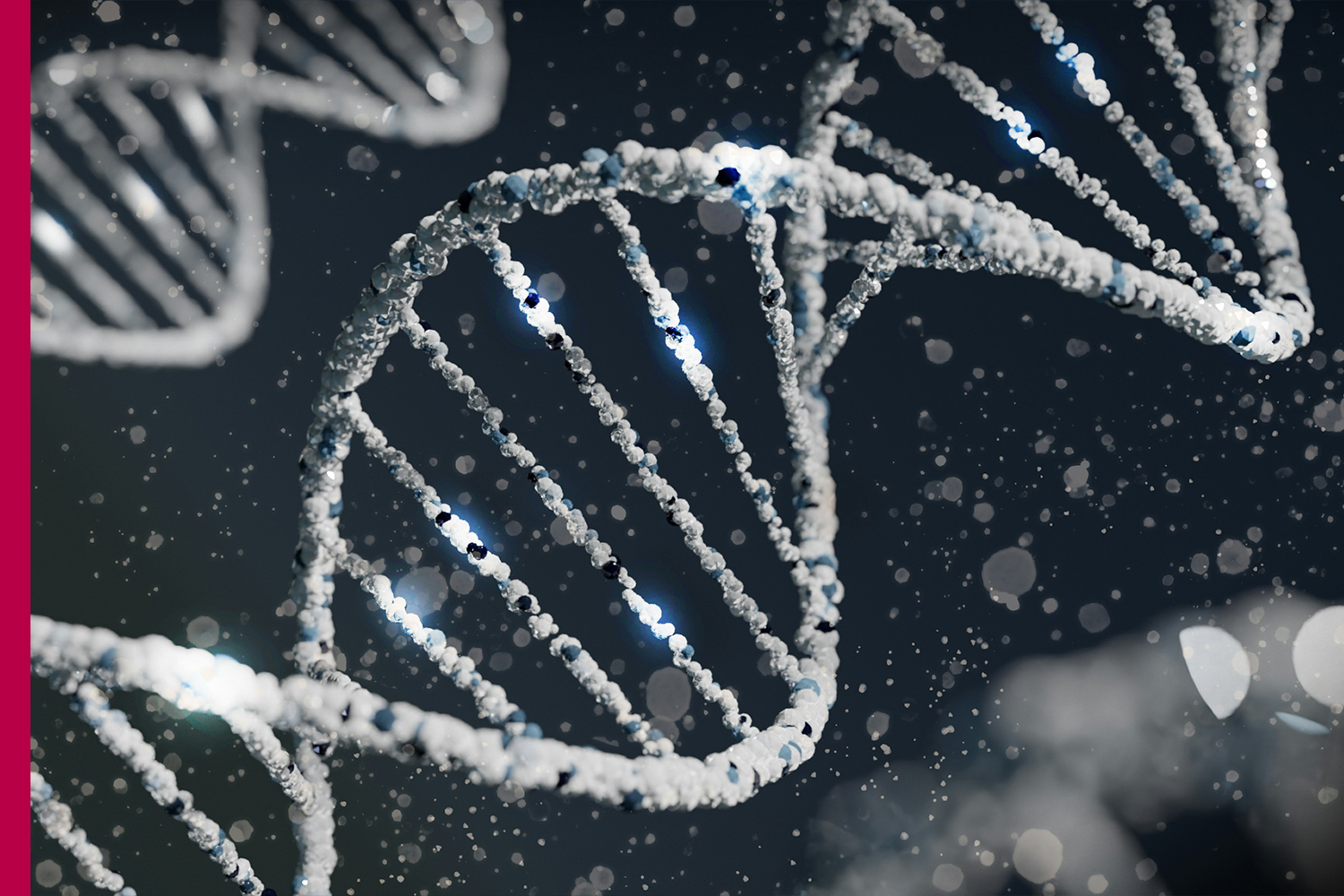
At its core, biotechnology involves using living organisms or biological systems to create useful solutions. The concept is not new—humans have been using biological processes like fermentation to make bread, cheese, and wine for thousands of years. However, the modern era of biotechnology began in the 1970s with the discovery of DNA manipulation, which allowed scientists to modify genetic material and create new life forms with specific traits. This innovation laid the foundation for genetic engineering and modern biopharmaceuticals.
One of the most impactful applications of biotechnology is in healthcare. Biotech has revolutionized medicine by making it more precise, personalized, and effective. Through genetic research, scientists can now identify the root causes of diseases at the molecular level and design targeted treatments. Biopharmaceuticals such as insulin, monoclonal antibodies, and vaccines have saved millions of lives. The rapid development of mRNA vaccines during the COVID-19 pandemic demonstrated how powerful and adaptable biotechnology can be in addressing global health challenges.
In the field of agriculture, biotechnology has been a game-changer. Genetically modified (GM) crops are designed to resist pests, tolerate harsh climates, and improve nutritional content. These advancements help farmers increase yields while reducing the use of harmful pesticides and fertilizers. Biotechnology also supports sustainable farming by developing biofertilizers and biopesticides that protect the environment and soil health. As the global population continues to grow, biotech-driven agriculture will play a crucial role in ensuring food security.
Beyond healthcare and farming, biotechnology contributes to environmental sustainability. Scientists are developing bio-based materials and renewable energy sources such as biofuels, which can reduce dependence on fossil fuels. Bioremediation—using microbes to clean up oil spills or toxic waste—is another example of how biotechnology supports a cleaner and healthier planet.
The field of industrial biotechnology is also expanding rapidly. It involves using enzymes and microorganisms to manufacture everyday products like detergents, textiles, and biodegradable plastics in an eco-friendly way. This not only lowers production costs but also minimizes environmental pollution, making industries more sustainable and efficient.
Despite its immense potential, biotechnology faces ethical and regulatory challenges. Genetic engineering, cloning, and synthetic biology raise questions about safety, privacy, and moral boundaries. Balancing innovation with responsibility is essential to ensure that biotechnology benefits humanity without compromising ethical standards or biodiversity.
In conclusion, biotechnology stands at the crossroads of science and innovation, offering solutions to some of the world’s most pressing problems. It has the potential to cure diseases, feed the hungry, and protect the planet. As research advances, the integration of biotechnology with fields like artificial intelligence and nanotechnology will open new horizons, transforming industries and improving lives. The future of biotechnology is bright — a future where life itself becomes the key to progress.