





The concept of defense has always been central to the survival and sovereignty of nations. It is not merely about military strength or weaponry—it represents a country’s ability to protect its people, territory, and interests from internal and external threats. In today’s world, where security challenges are evolving rapidly, defense has expanded beyond traditional warfare to include cyber protection, intelligence, space defense, and technological innovation.
At its core, national defense ensures peace, stability, and independence. Every nation invests in a defense system that includes the army, navy, air force, and specialized forces designed to respond to diverse threats. These forces safeguard the nation’s borders, protect citizens during crises, and maintain law and order in times of unrest. Modern defense also involves international cooperation, where countries form alliances like NATO or participate in peacekeeping missions to promote global security.
Technological advancement has transformed defense strategies dramatically over the last few decades. Traditional weapons and manual combat have given way to smart defense systems that rely on automation, artificial intelligence, and data-driven decision-making. Drones, satellites, cyber networks, and surveillance technologies now play critical roles in gathering intelligence and preventing threats before they occur. Nations are increasingly investing in cyber defense, recognizing that modern warfare is not only fought on battlefields but also in the digital realm.
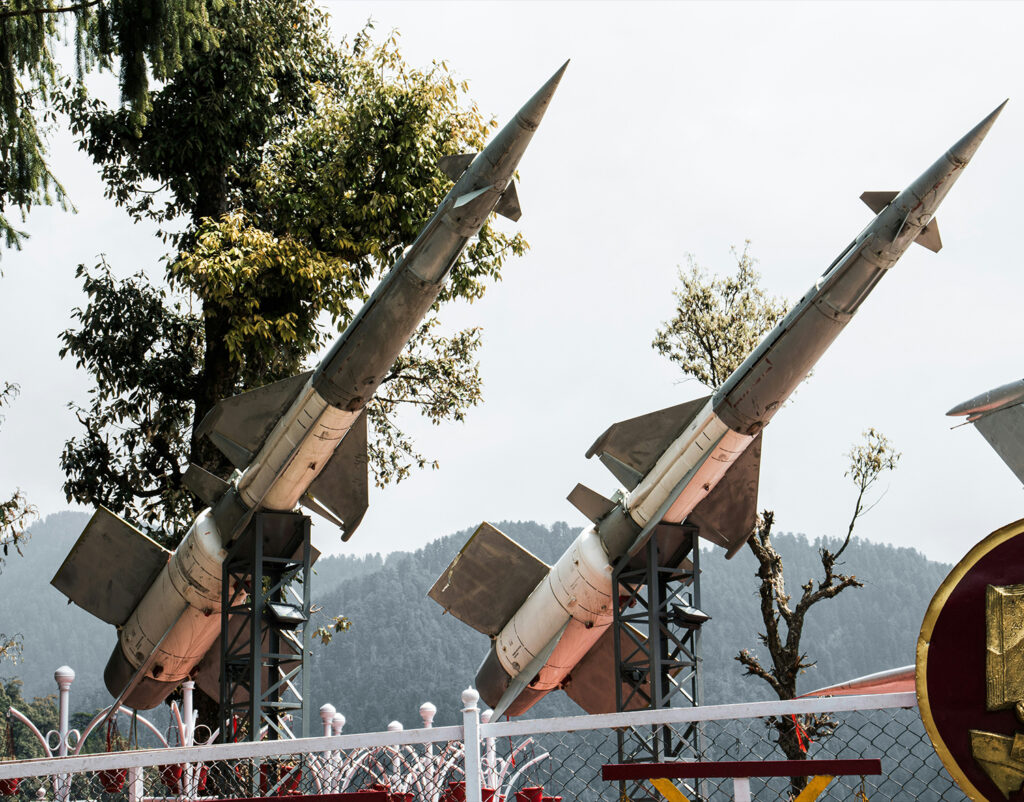
Another crucial aspect of defense is research and development (R&D). Countries with strong defense sectors continuously innovate to develop advanced weaponry, communication systems, and protective gear. Industries like aerospace, robotics, and artificial intelligence are heavily linked with defense innovation. These advancements often have dual uses—technologies developed for defense frequently contribute to civilian life, such as GPS, the internet, and even modern communication devices.
Defense also plays a major role in economic and industrial growth. The defense sector creates employment opportunities, supports manufacturing, and drives technological progress. Many nations have state-owned or private defense companies that contribute significantly to their economies through production, exports, and collaborations. Moreover, training programs within defense forces instill discipline, leadership, and teamwork—skills that benefit society as a whole.
In addition to technology and military strength, the human element of defense remains vital. The courage, discipline, and dedication of soldiers, officers, and defense personnel are what truly uphold a nation’s safety. Their commitment to protecting the homeland often involves sacrifices, making defense not only a matter of strength but also of honor and duty.
In the 21st century, the definition of defense has expanded to include non-military dimensions such as environmental security, disaster response, and humanitarian aid. Defense forces worldwide assist in rescue operations during natural disasters, help maintain peace during conflicts, and provide relief in crisis situations. This shows that defense is not solely about war—it is about protection, service, and the preservation of humanity.
In conclusion, defense is the backbone of national security and a symbol of unity, resilience, and progress. As global challenges evolve—from cyber threats to geopolitical tensions—defense systems must adapt with innovation, cooperation, and integrity. A strong and modern defense not only deters aggression but also ensures peace and prosperity for generations to come. Ultimately, defense stands as a shield that safeguards the dreams, freedom, and future of every nation.