



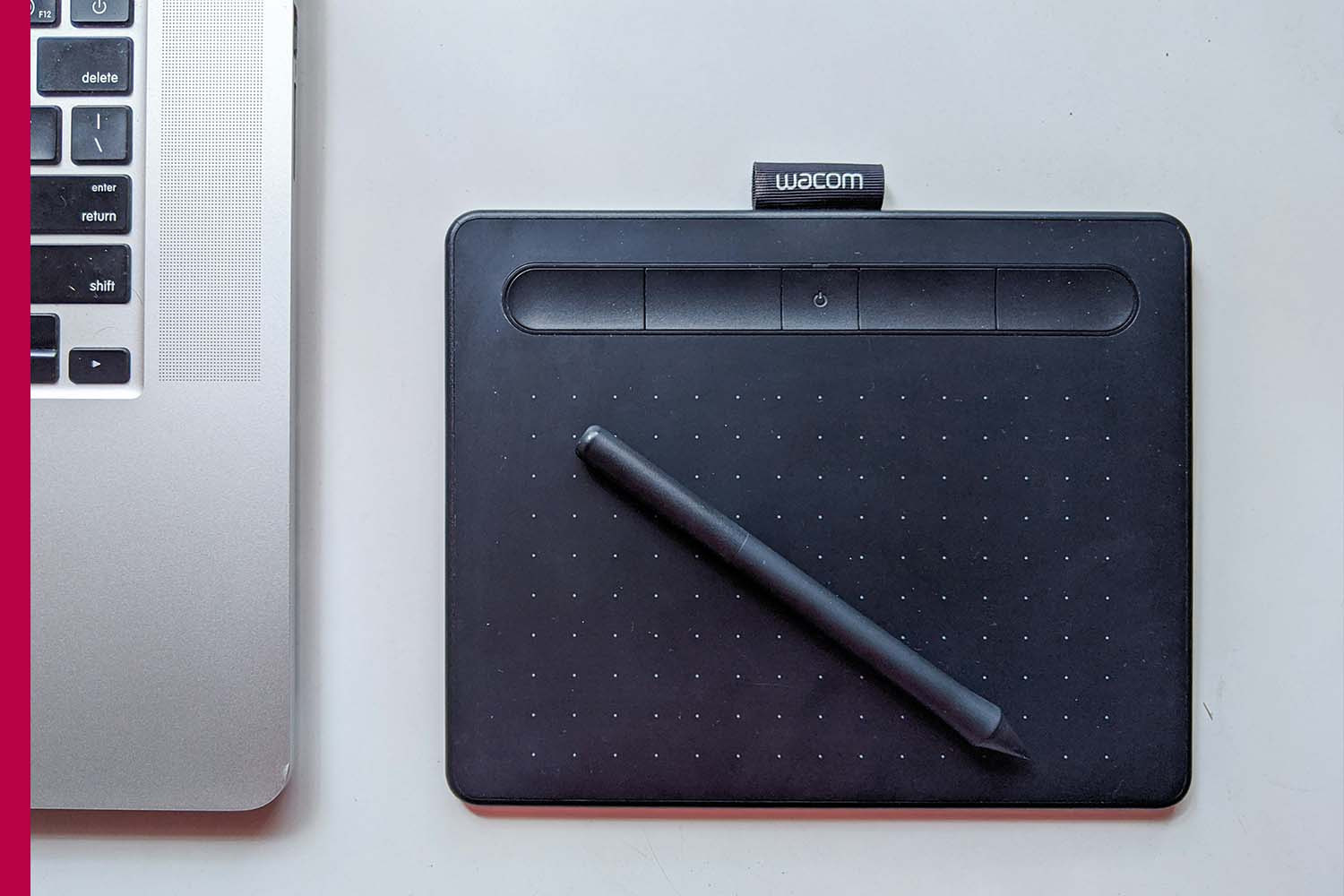
In the world of digital art and design, graphic pads—also known as drawing tablets—have become essential tools for artists, designers, and creative professionals. These devices bridge the gap between traditional hand-drawn art and modern technology, allowing for precision, flexibility, and unlimited creative possibilities. From concept art and illustration to animation and photo editing, graphic pads have transformed the way creative work is produced, offering a natural drawing experience in a digital environment.
A graphic pad typically consists of a flat tablet surface and a stylus or pen that allows the user to draw directly onto the tablet. Unlike a mouse or trackpad, the stylus provides pressure sensitivity, tilt recognition, and accurate control, enabling artists to create lines, strokes, and shading that closely resemble traditional media such as pencils, brushes, or pens. This precision has made graphic pads indispensable in fields where detail and accuracy are paramount.
One of the main advantages of using a graphic pad is the efficiency it brings to digital workflow. Traditional art often involves multiple steps—drawing, scanning, editing, and coloring. With a graphic pad, all these steps can be accomplished within a single digital platform. Software like Adobe Photoshop, Illustrator, Corel Painter, and Clip Studio Paint integrate seamlessly with graphic tablets, allowing for real-time adjustments, layering, and instant corrections. This integration saves time, reduces errors, and opens up new creative avenues that were previously impossible in traditional media.
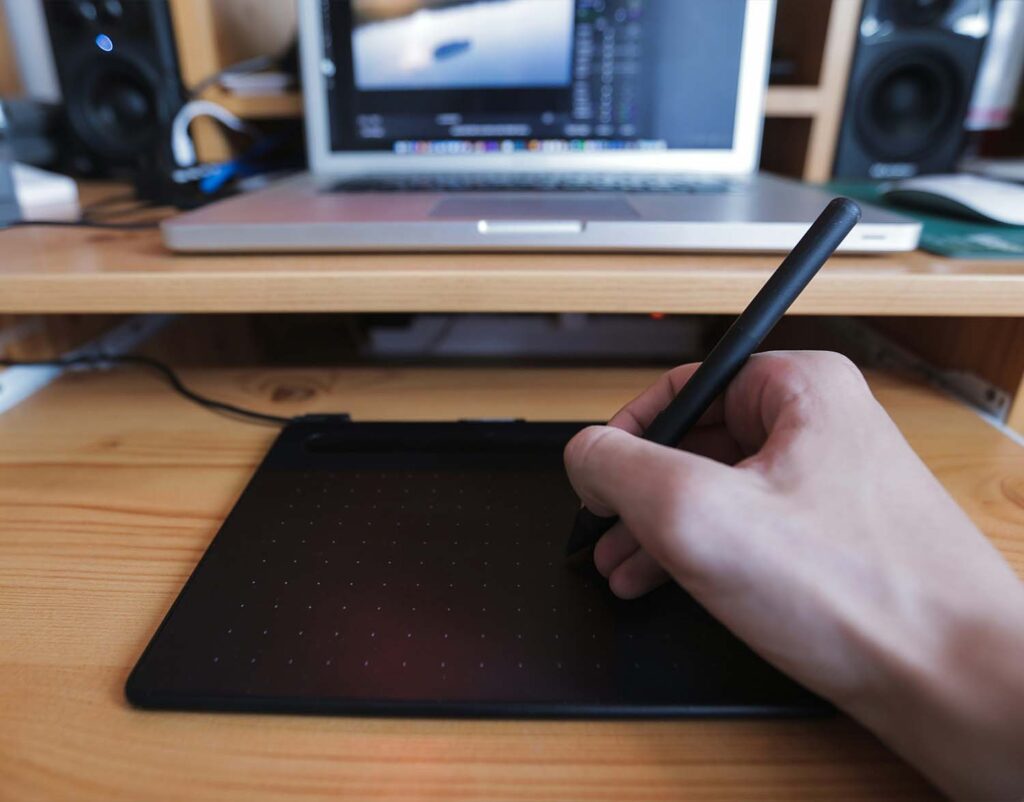
Graphic pads also provide artists with unlimited creative freedom. Digital tools allow for infinite color palettes, customizable brushes, and effects that mimic watercolor, oil, or ink. Artists can experiment freely without worrying about wasting materials or making irreversible mistakes. Undo and redo functions, along with multiple layers, offer a safety net that encourages experimentation and innovation. Additionally, digital files are easily shareable and reproducible, enabling smooth collaboration between clients, teams, and global audiences.
In recent years, the popularity of display tablets—which combine a screen with a touch-sensitive drawing surface—has enhanced the experience even further. These devices allow artists to draw directly on a screen, providing a natural hand-eye coordination similar to traditional paper and canvas. Brands like Wacom, Huion, and XP-Pen offer a variety of graphic tablets suitable for beginners, professionals, and large-scale commercial projects. Portability and wireless connectivity have made it easier for artists to work from anywhere, making the creative process more flexible and accessible.
Graphic pads are not limited to illustration or digital painting. They are widely used in animation, architecture, fashion design, and education. Animators can create frame-by-frame sequences with precision, architects can draft blueprints directly on the tablet, and fashion designers can sketch new collections digitally. In education, graphic tablets facilitate online teaching and creative workshops, allowing students to practice drawing digitally while learning design principles.
In conclusion, graphic pads have revolutionized the creative industry by merging traditional artistry with digital technology. They offer unmatched precision, efficiency, and versatility, empowering artists to explore new ideas and produce professional-quality work. As technology continues to advance, graphic tablets will remain an essential tool for creativity, enabling a new generation of digital artists to express their imagination without limits. Whether for professional projects or personal artistic pursuits, graphic pads have truly transformed the way art is created in the digital age.