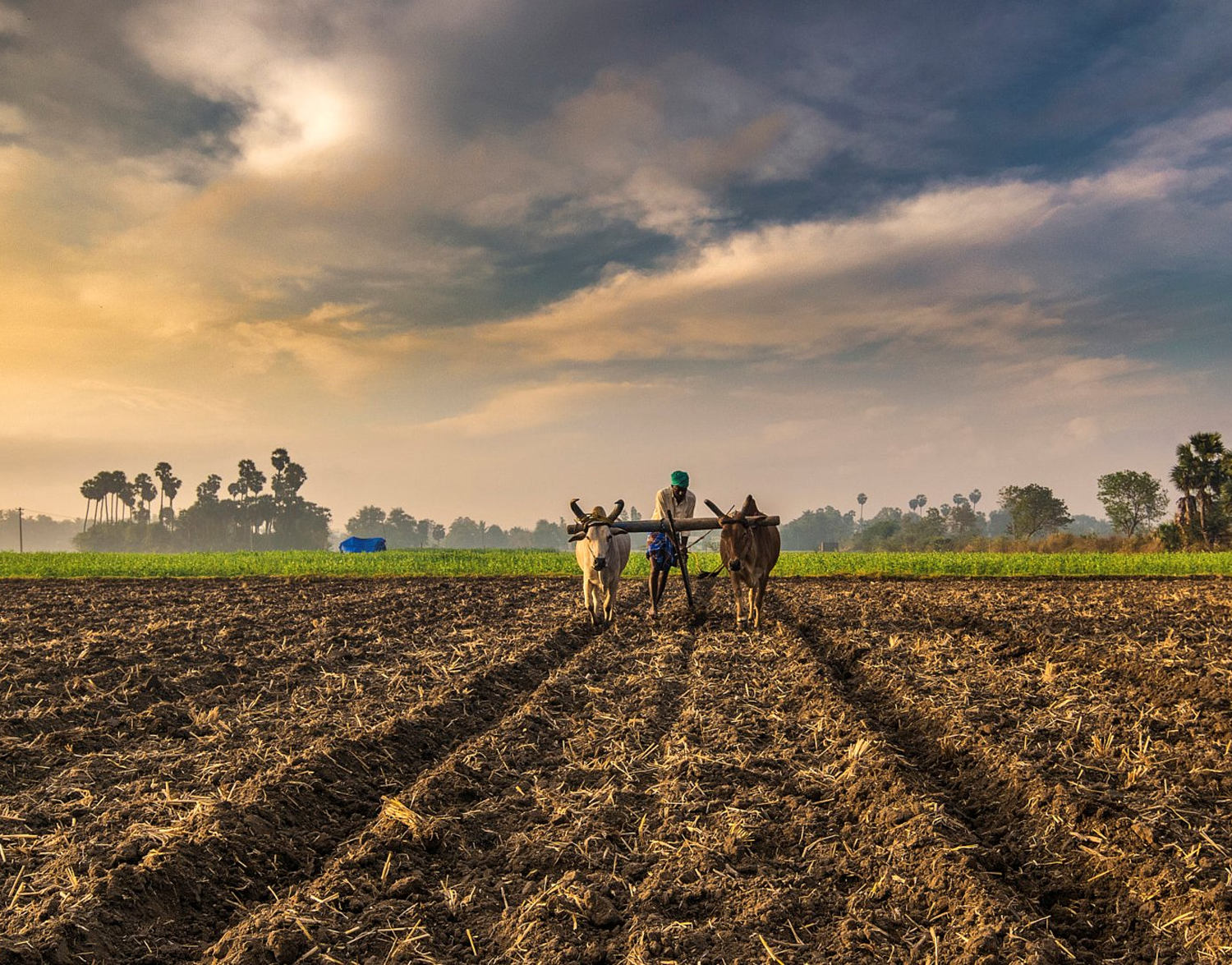




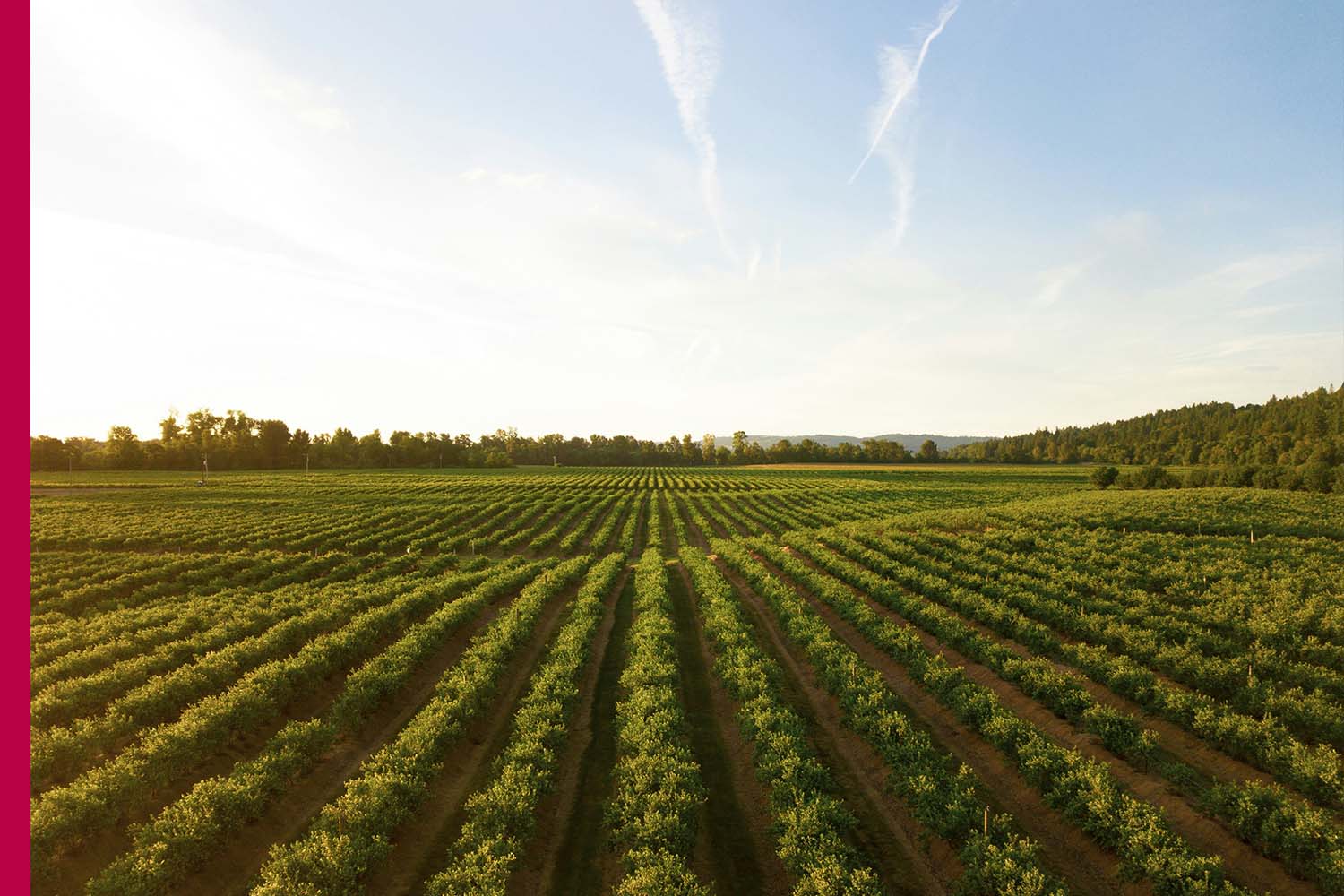
Agriculture has always been the backbone of human civilization, providing food, employment, and raw materials. However, traditional farming methods often faced limitations in productivity, efficiency, and sustainability. Today, up-to-date agriculture technology is revolutionizing the way we grow, manage, and distribute crops. By integrating modern tools, data-driven practices, and sustainable approaches, technology is helping farmers maximize yields, reduce environmental impact, and meet the food demands of a growing global population.
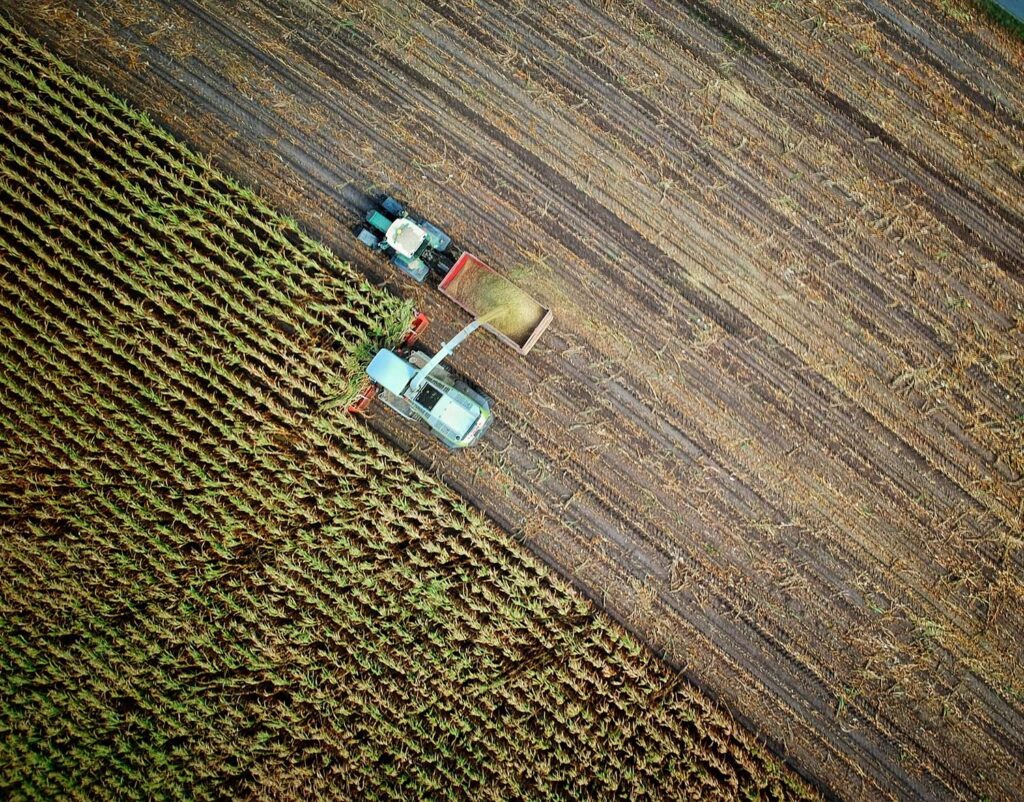
One of the most significant advancements in modern agriculture is the use of precision farming. Precision farming leverages sensors, GPS, and satellite imagery to monitor soil conditions, crop health, and irrigation needs in real time. By analyzing this data, farmers can apply the right amount of water, fertilizers, and pesticides exactly where and when it is needed. This targeted approach reduces waste, minimizes environmental impact, and improves crop quality. Drones, in particular, have become indispensable in precision agriculture, enabling aerial monitoring of large fields quickly and efficiently.
Smart irrigation systems are another technological breakthrough shaping modern agriculture. These systems use soil moisture sensors and weather data to optimize water use, ensuring crops receive adequate hydration without unnecessary wastage. In regions facing water scarcity, smart irrigation is crucial for conserving this vital resource while maintaining high productivity. Automated irrigation systems, coupled with drip or sprinkler technology, are helping farmers save both water and labor costs.
The use of biotechnology and genetically modified (GM) crops is also reshaping agriculture. Scientists have developed crop varieties that are more resistant to pests, diseases, and extreme weather conditions. These innovations not only enhance yield but also reduce the dependency on chemical pesticides, promoting more sustainable farming practices. Similarly, advancements in seed technology and tissue culture allow for faster crop propagation and higher-quality plants.
Modern agriculture also relies heavily on data analytics and AI (Artificial Intelligence). AI-powered tools can predict weather patterns, detect early signs of disease, and suggest optimal planting schedules. These predictive capabilities help farmers make informed decisions, reduce risks, and improve overall efficiency. Farm management software consolidates information on soil quality, crop performance, and market prices, making it easier for farmers to plan and maximize profits.
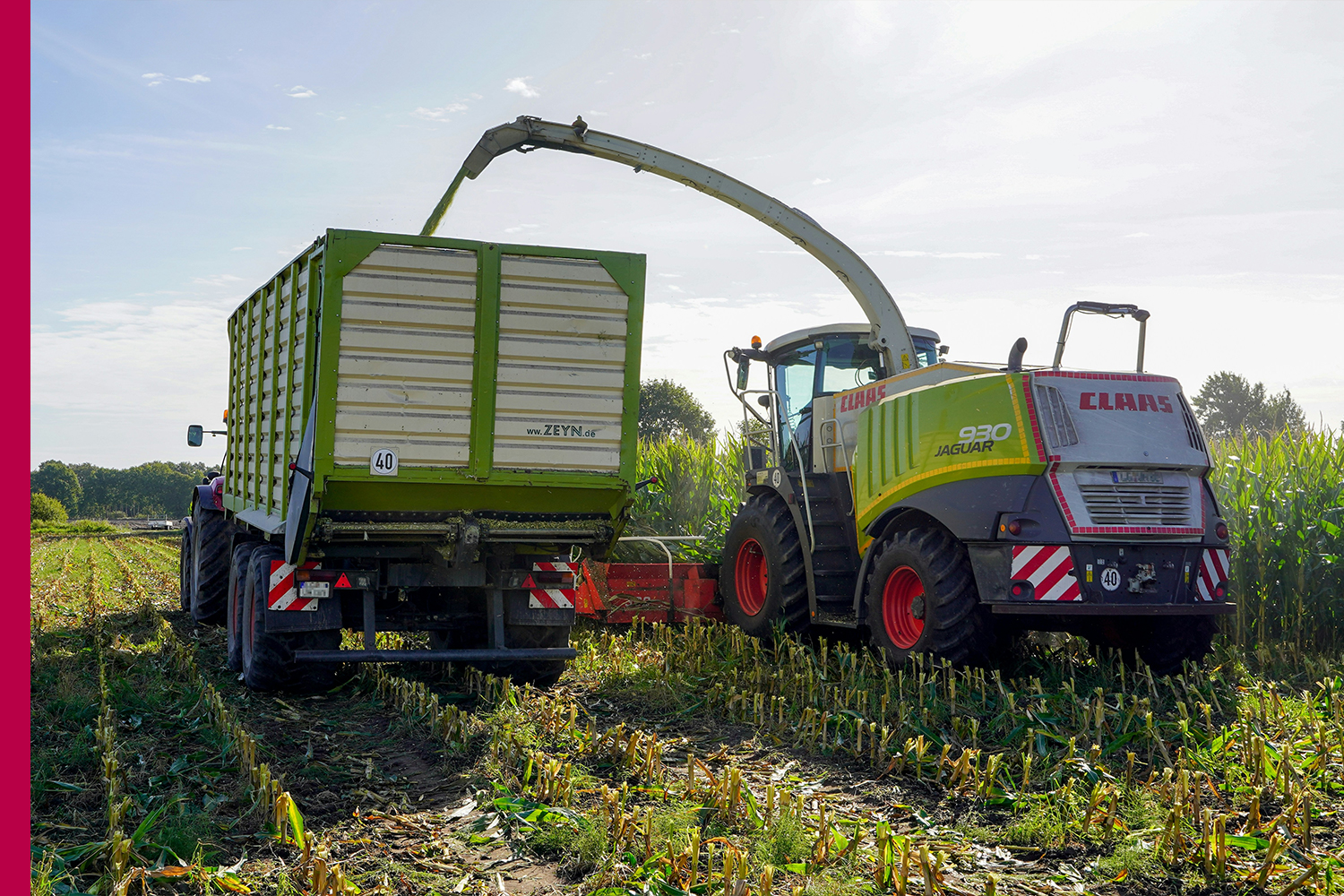
Mechanization remains a vital part of contemporary agriculture. Tractors, harvesters, and automated machinery have significantly reduced labor-intensive tasks, increasing productivity and reducing operational costs. Robotics is entering the sector as well, with machines capable of planting seeds, pruning crops, and even harvesting fruits and vegetables. This technological shift ensures precision, consistency, and scalability, especially in large-scale commercial farms.
Sustainability is a key focus of modern agriculture technology. Innovations such as vertical farming, hydroponics, and aquaponics allow crops to grow in controlled environments with minimal land use, reduced water consumption, and fewer pesticides. Urban farming initiatives, supported by these technologies, are helping cities produce fresh, locally grown food while lowering transportation costs and carbon footprints.
In conclusion, up-to-date agriculture technology is transforming farming from a labor-intensive practice into a smart, efficient, and sustainable industry. By integrating precision farming, biotechnology, AI, mechanization, and sustainable methods, modern agriculture is better equipped to feed a growing population while protecting the environment. The future of farming lies in innovation, and embracing these technologies ensures that agriculture remains productive, resilient, and capable of supporting generations to come.