



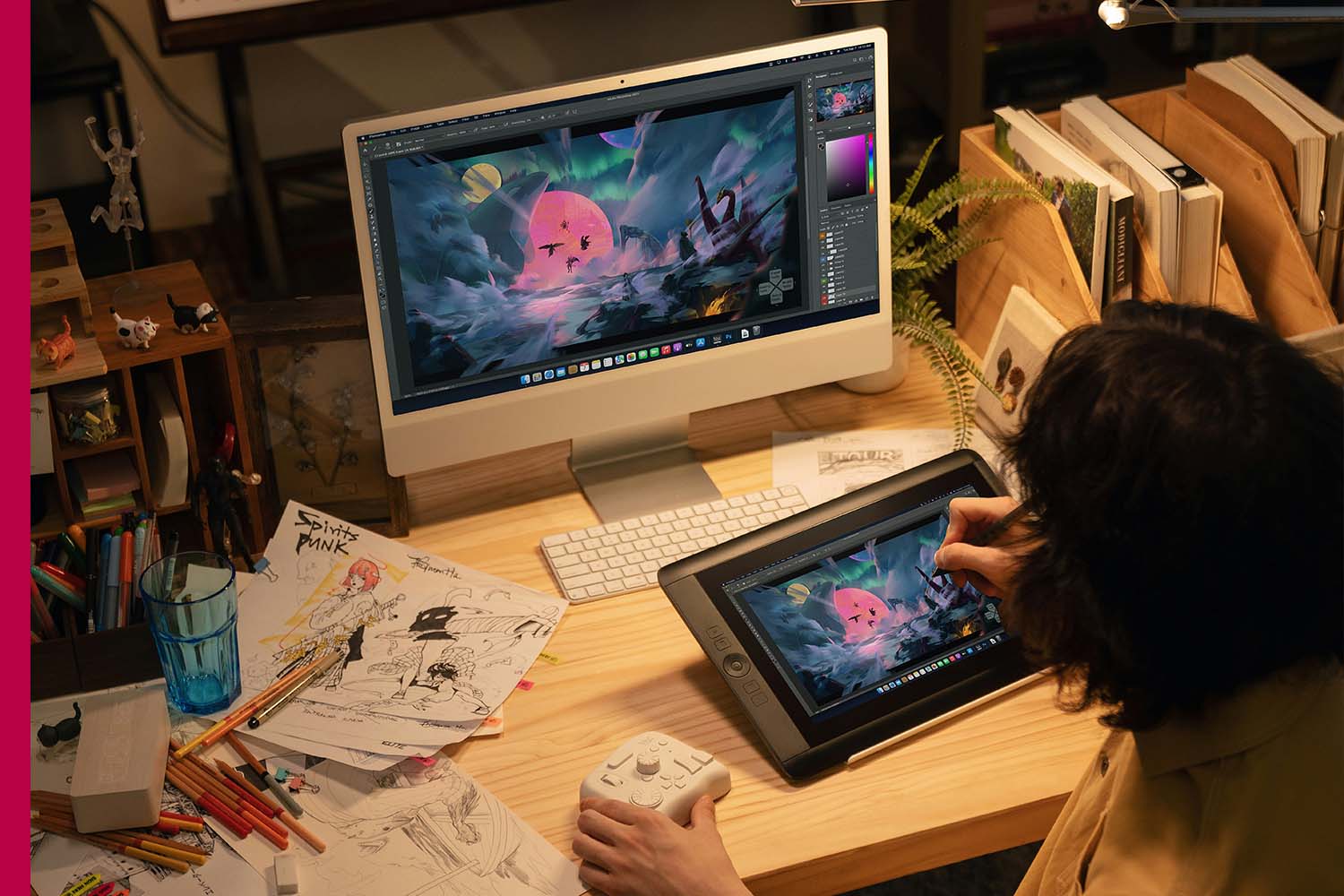
In the modern world of visual communication, digital illustration has become one of the most powerful and versatile forms of artistic expression. Combining traditional drawing skills with advanced digital tools, it allows artists to create stunning visuals that are used in everything from advertising and publishing to gaming and animation. As technology continues to evolve, digital illustration stands at the crossroads of art and innovation, transforming how we see and experience creativity.
At its core, digital illustration refers to the process of creating artwork using digital tools such as tablets, styluses, and software programs. Unlike traditional art, which relies on paper, canvas, and paint, digital illustration takes place on digital platforms using tools like Adobe Photoshop, Illustrator, Procreate, and Corel Painter. These programs provide artists with endless possibilities—different brushes, textures, colors, and effects that can be modified with precision and ease. The result is artwork that can be as realistic, abstract, or stylized as the artist desires.
One of the greatest advantages of digital illustration is its flexibility and efficiency. Artists can experiment freely without worrying about wasting materials, undo mistakes instantly, and save multiple versions of their work. Layers, filters, and digital editing tools make it possible to refine details and create depth that might be difficult to achieve in traditional media. Moreover, digital illustrations are easy to share, reproduce, and adapt for various formats—whether for web design, animation, branding, or print.
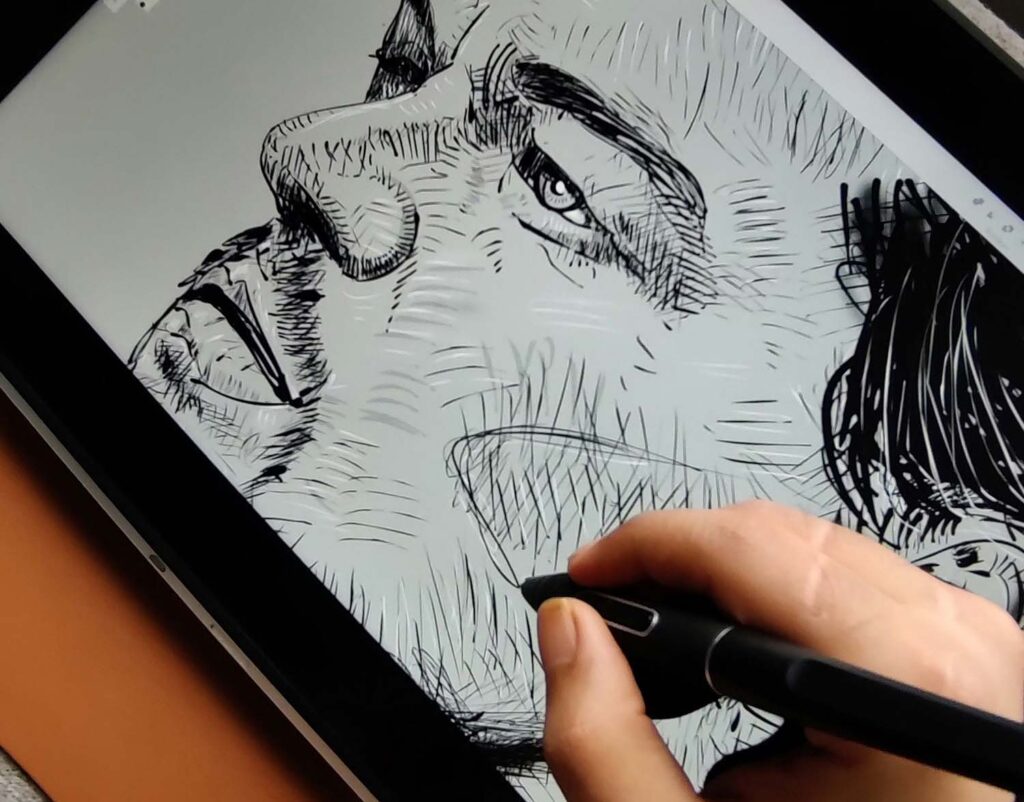
Digital illustration has also played a major role in shaping modern visual culture. In advertising and marketing, brands rely on illustrations to create memorable and emotional connections with audiences. Illustrated characters, mascots, and creative visuals help tell stories that words alone cannot. In publishing, illustrated book covers, children’s books, and editorial graphics bring ideas to life and make content more engaging. The gaming and entertainment industries, too, are heavily driven by digital illustrators who design characters, environments, and concept art that set the visual tone for movies, games, and animations.
Beyond its commercial applications, digital illustration has become a thriving medium for personal expression and social commentary. Artists across the world share their work on social media platforms like Instagram, Behance, and ArtStation, building communities and influencing trends. Digital illustration has democratized art, allowing anyone with a device and creativity to produce and showcase their talent globally. From minimalist sketches to hyper-realistic portraits and imaginative fantasy worlds, digital illustrators are constantly redefining artistic boundaries.
The rise of technologies such as artificial intelligence (AI) and virtual reality (VR) is also expanding the scope of digital illustration. AI-powered tools can now assist artists with composition, coloring, and style imitation, while VR allows illustrators to create immersive, three-dimensional artworks in virtual spaces. These innovations are not replacing creativity but enhancing it—giving artists new ways to visualize and execute their ideas.
In conclusion, digital illustration represents the perfect blend of art and technology. It has revolutionized the way artists work and how audiences experience visual storytelling. With its limitless potential for creativity, collaboration, and innovation, digital illustration continues to inspire new generations of artists. Whether used for commercial design, storytelling, or personal expression, it reminds us that creativity knows no boundaries—especially in the digital age.