




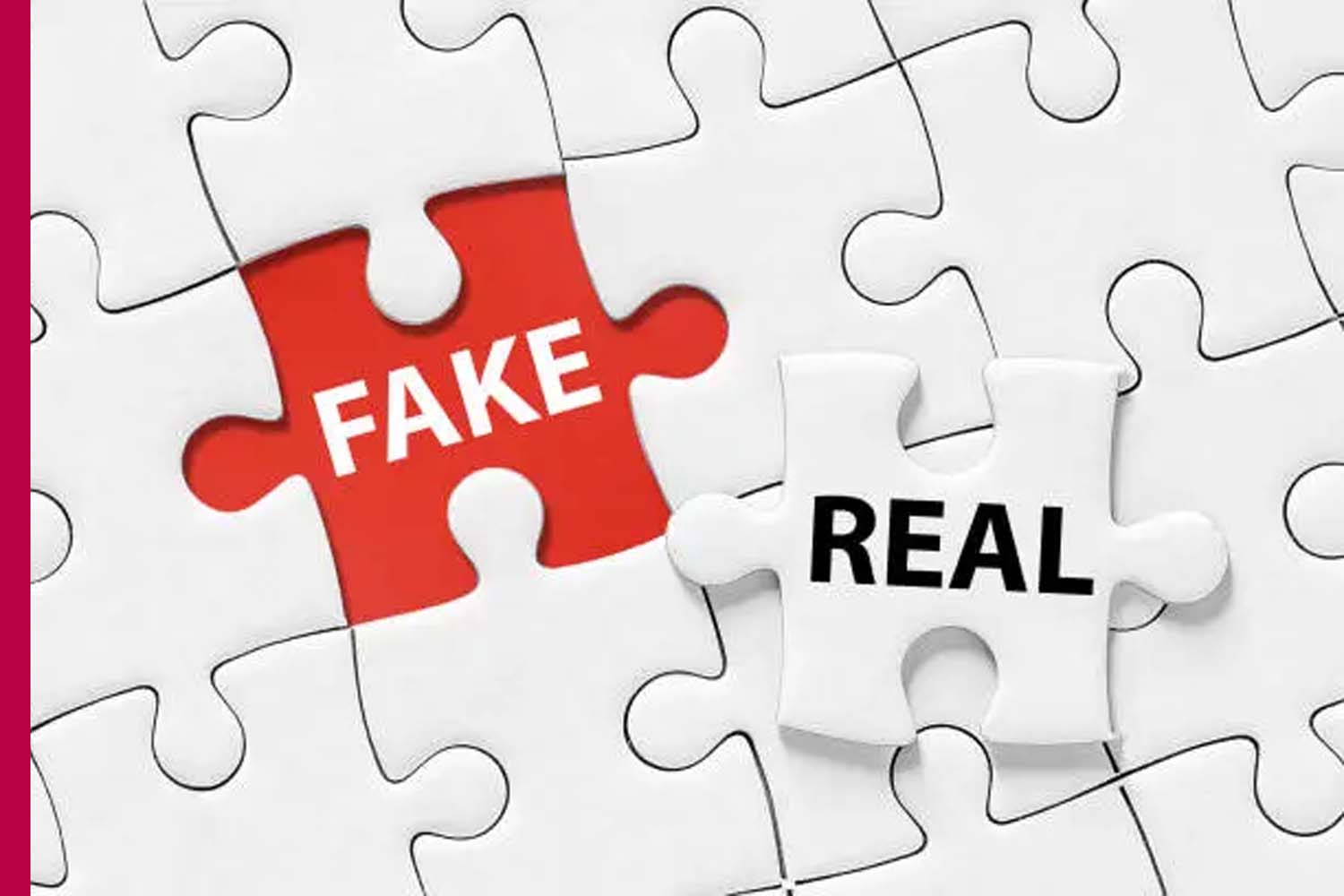
In today’s information-driven world, truth has become one of the most valuable and most fragile commodities. The rise of digital media has made it easier than ever to share information, but it has also opened the floodgates to misinformation and fake news. From manipulated videos to misleading headlines, false information spreads faster than facts, influencing public opinion, shaping politics, and even impacting economies. The big question now is: can artificial intelligence (AI) become the guardian of truth in this chaotic landscape?
Fake news thrives on emotion, speed, and repetition. It plays on human biases, spreads rapidly across social media platforms, and often looks convincingly real. Traditional methods of fact-checking, while effective, cannot keep up with the sheer volume of content produced every second. This is where AI steps in, offering the possibility of automating truth verification on a massive scale. AI-powered tools can scan thousands of articles, posts, and videos in moments, cross-checking data with trusted sources to flag suspicious content. Machine learning models can identify patterns of misinformation, detect deepfakes, and even analyze the credibility of websites based on their history and source reliability.
Tech giants like Google, Meta, and X are already investing in AI systems that can recognize and downrank misleading information. Similarly, independent organizations are building AI-driven fact-checking platforms that assist journalists and researchers in verifying claims quickly. AI can also detect visual manipulation by examining image metadata, pixel inconsistencies, and patterns that humans may overlook. In video content, AI can distinguish between authentic speech and voice-cloned audio, protecting audiences from the growing threat of deepfake technology.
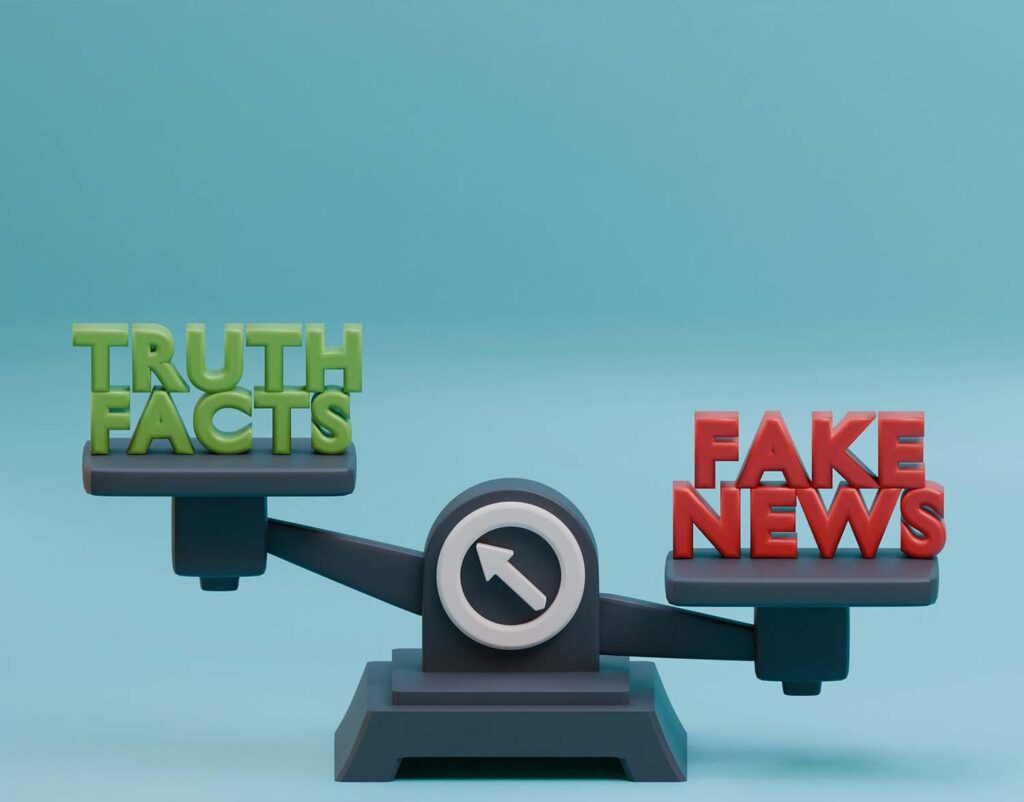
However, while AI holds immense promise, it is not infallible. The algorithms that detect fake news are only as unbiased as the data they are trained on. If an AI model learns from politically or culturally skewed data, it may unintentionally favor certain narratives over others. There is also the concern of censorship — who decides what counts as “fake”? When machines begin labeling truth, ethical boundaries become blurred. Balancing accuracy, freedom of expression, and accountability becomes a delicate task that requires human oversight.
Moreover, misinformation itself is evolving. Fake news creators are learning to bypass AI filters by using coded language, satire, or partial truths that make detection more difficult. This ongoing battle between deception and detection resembles a digital arms race, where both sides continuously adapt.
Despite these challenges, the potential of AI to support factual journalism remains undeniable. It can be a powerful ally not by replacing human judgment, but by amplifying it. When combined with transparent journalism, ethical standards, and responsible technology use, AI can help restore public trust in information. In the end, AI may not be the ultimate guardian of truth, but it can be a steadfast protector. By harnessing its speed, scale, and precision, society can move closer to a future where facts outshine falsehoods and truth once again becomes the foundation of informed democracy.