



The world of news has transformed dramatically what was once confined to newspaper headlines is now racing through hashtags and reels. Social media has not only changed how we consume news but also who delivers it. Today, anyone with a smartphone and an internet connection can be a reporter, analyst, or storyteller.
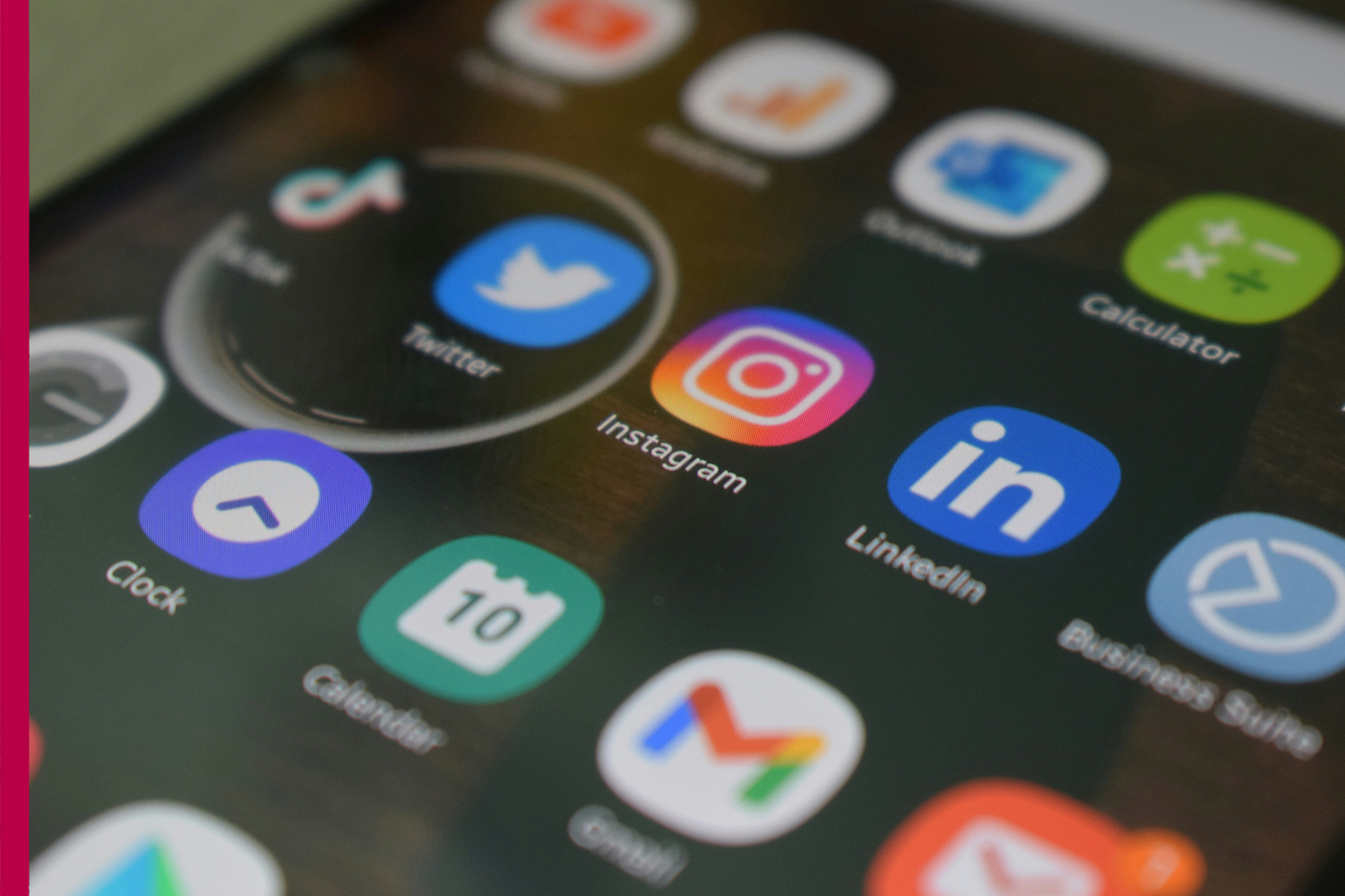
Platforms like X (formerly Twitter), Instagram, Facebook, and YouTube have become modern-day newsrooms where stories break in real time. Major events are often first reported by eyewitnesses on social media before they appear on traditional channels. The immediacy of these platforms creates a sense of participation users don’t just read the news; they shape it through comments, shares, and reactions.

However, this evolution comes with challenges. The speed at which information spreads can blur the lines between facts and opinions. Misinformation and fake news often travel faster than verified updates, forcing both media organizations and audiences to adapt. This has led to the rise of digital fact-checking platforms and the growing importance of media literacy.
On the brighter side, social media has made journalism more interactive and inclusive. News outlets now engage directly with their audiences through live sessions, polls, and Q&A formats. Influencers and independent journalists have built communities that rely on them for authentic, unbiased updates.
The hashtag era has turned the news into a conversation rather than a broadcast. It’s fast, dynamic, and often unpredictable — but it’s also empowering. As the boundaries between media and audience continue to fade, one thing is clear: social media isn’t just changing the news game — it is the new game.