




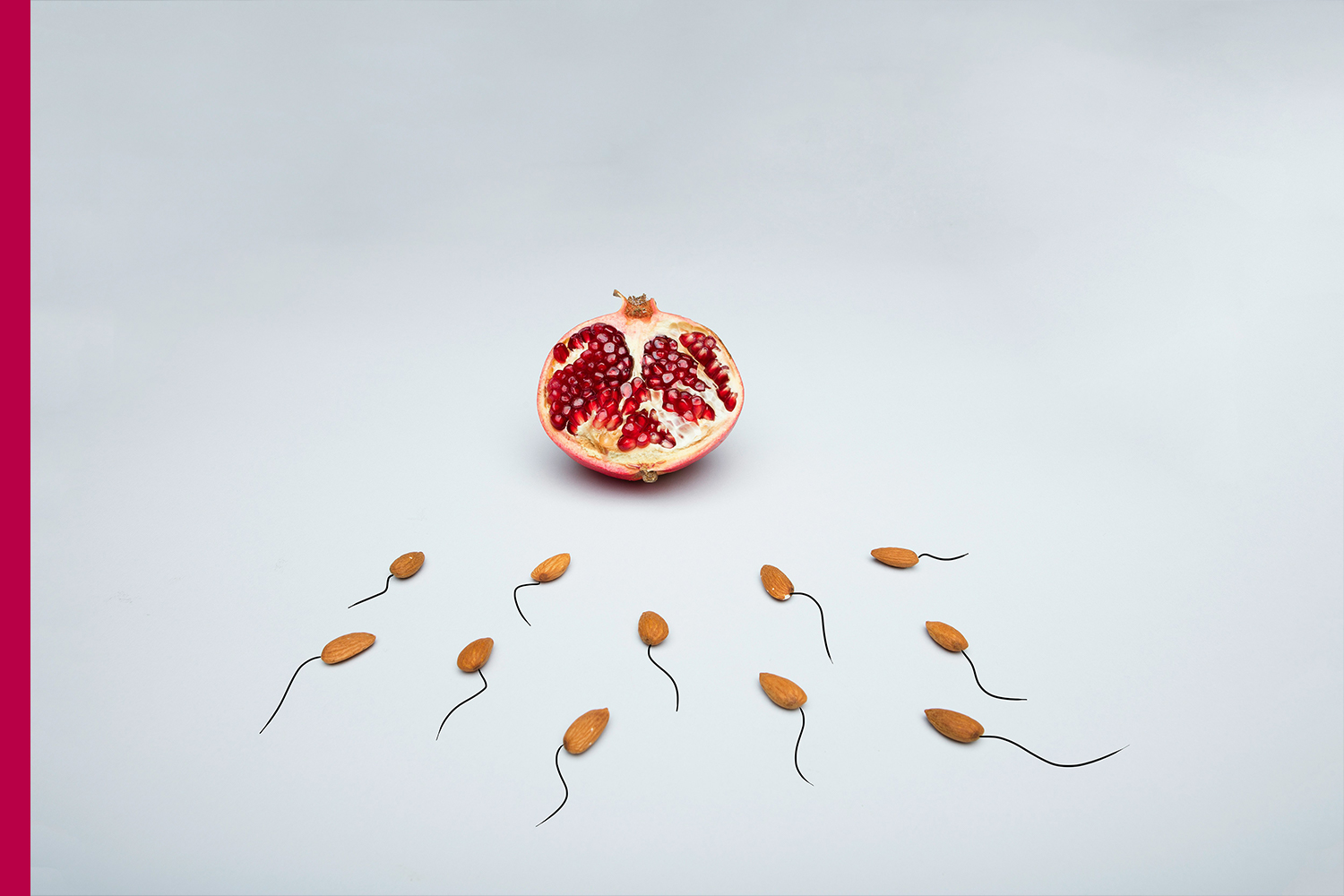
Reproductive health is a vital aspect of overall well-being, yet it is often overlooked or misunderstood. It encompasses not only the ability to conceive but also the physical, mental, and social health of individuals at all stages of life. Fertility, a key component of reproductive health, depends on a combination of lifestyle, genetics, and medical factors. Understanding reproductive health and taking proactive steps can improve fertility outcomes and promote long-term wellness.
What is Reproductive Health?
Reproductive health refers to the proper functioning of the reproductive system throughout life. It includes sexual health, the prevention and treatment of reproductive system disorders, family planning, and fertility management. For men, it involves sperm quality, hormonal balance, and sexual function, while for women, it includes ovulation, menstrual health, hormonal regulation, and conditions affecting reproductive organs. Good reproductive health is more than the absence of disease; it involves physical, emotional, and social well-being, ensuring individuals can lead healthy, fulfilling lives.
Common Factors Affecting Fertility
Fertility can be influenced by a wide range of factors, and understanding these can help individuals and couples plan effectively.
Age
Age is one of the most critical factors, particularly for women. Female fertility typically peaks in the early 20s and gradually declines after 30, with a sharper decrease after 35. Male fertility also declines with age but generally at a slower pace.
Lifestyle Choices
Smoking, excessive alcohol consumption, poor diet, and lack of physical activity can negatively affect reproductive health. Maintaining a balanced lifestyle helps support hormonal balance, ovulation, and sperm quality.
Medical Conditions
Conditions such as polycystic ovary syndrome (PCOS), endometriosis, thyroid disorders, or low sperm count can impact fertility. Regular health check-ups and timely medical intervention can help manage these conditions effectively.
Stress and Mental Health
Chronic stress and mental health challenges can interfere with hormone levels and reproductive function. Stress management techniques, mindfulness, and counselling can improve fertility outcomes.
Environmental Factors
Exposure to toxins, chemicals, and endocrine-disrupting substances can affect reproductive health. Reducing exposure to harmful substances and adopting eco-friendly habits can be beneficial.
Steps to Support Reproductive Health and Fertility
Regular Check-ups: Routine screenings for hormonal levels, reproductive organ health, and sexually transmitted infections (STIs) can identify potential issues early.
Balanced Diet: Nutrient-rich foods, including leafy greens, lean proteins, healthy fats, and whole grains, support hormonal balance and reproductive function.
Exercise: Moderate physical activity enhances circulation, regulates hormones, and improves overall well-being.
Healthy Weight Management: Being underweight or overweight can disrupt ovulation and sperm production. Maintaining a healthy BMI is essential.
Avoid Harmful Substances: Minimize smoking, alcohol, and recreational drug use. Limit exposure to environmental toxins.
Stress Management: Practices such as yoga, meditation, and therapy help regulate hormones and support fertility.
Advances in Fertility Treatments
Modern medicine offers a variety of fertility treatments for individuals and couples facing challenges:
Assisted Reproductive Technology (ART): Techniques like in-vitro fertilization (IVF) and intrauterine insemination (IUI) help overcome conception barriers.
Hormonal Therapies: Medications can regulate ovulation, improve sperm production, or address hormonal imbalances.
Fertility Preservation: Egg and sperm freezing are options for individuals planning to delay parenthood. Early consultation with a fertility specialist can provide personalized guidance and improve chances of conception.
Final Thoughts
Reproductive health and fertility are fundamental aspects of overall wellness. By maintaining a healthy lifestyle, monitoring medical conditions, and seeking timely guidance, individuals can optimize their reproductive function and family planning options. Awareness, education, and proactive care not only support fertility but also enhance long-term physical, emotional, and social well-being. Reproductive health is a journey, and taking small, informed steps today can make a significant difference in achieving healthy, fulfilling outcomes in the future.