






For decades, mobile connectivity has depended on a familiar infrastructure model: mobile towers, fibre networks, base stations and data centres. But the next phase of telecommunications is beginning to challenge the idea that a mobile signal must come from equipment located on the ground.
Satellite-to-device technology is moving closer to becoming a practical extension of global mobile networks. Instead of requiring a dedicated satellite phone, certain compatible devices and communication systems can increasingly connect through satellites operating beyond terrestrial coverage.
A major development came on November 17, 2026, when Iridium Communications announced that it had activated Iridium NTN Direct, a standards-based satellite connectivity service designed to support narrowband Internet of Things communication and direct-to-device applications.
The company described it as the first service of its kind based on 3GPP standards to provide global coverage from space.
The announcement represents an important step towards making satellite communication a more integrated part of the telecommunications ecosystem.
Why direct-to-device connectivity matters
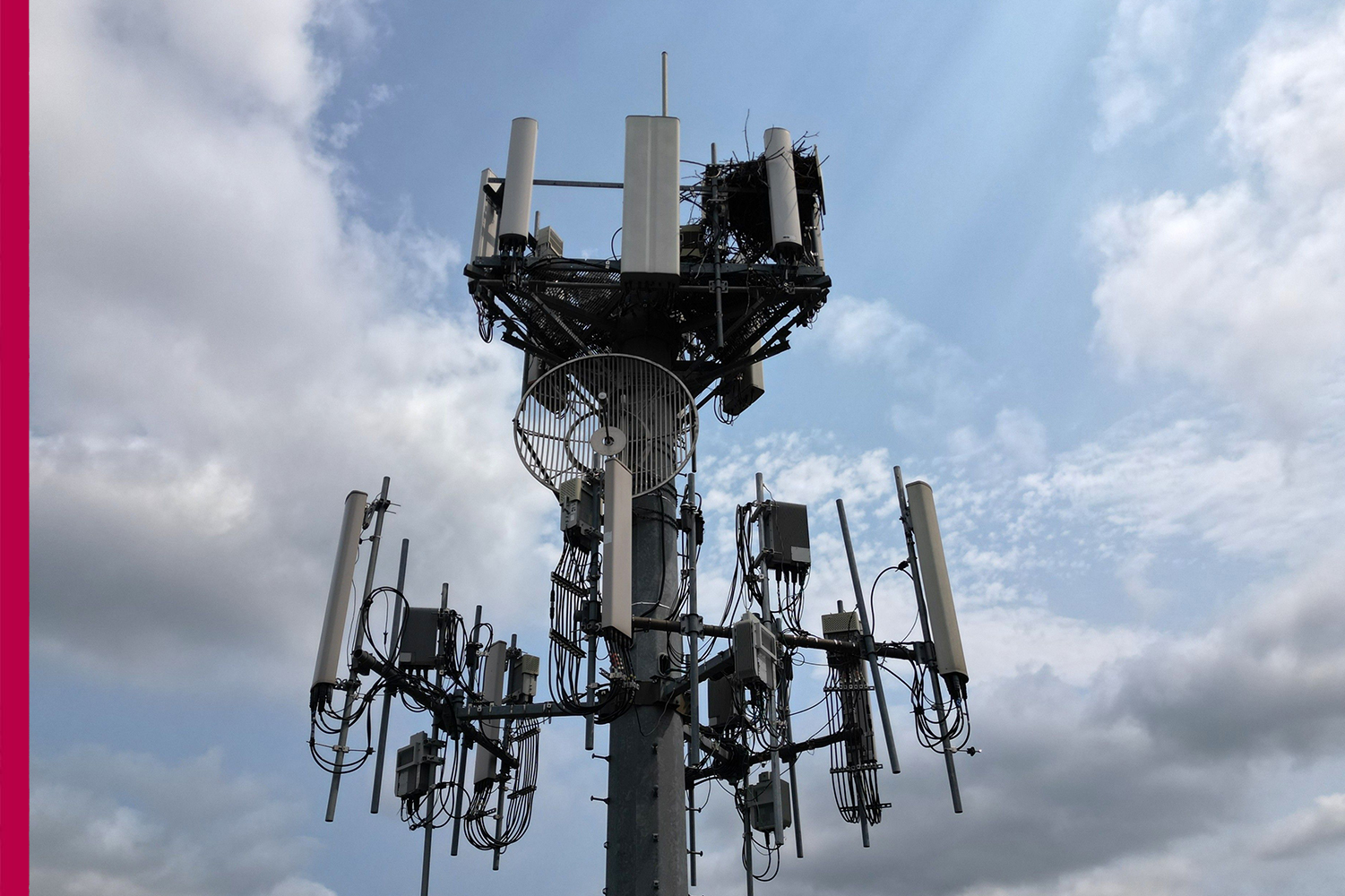
Traditional mobile networks depend on terrestrial infrastructure. This model works well in cities, towns and many populated areas, but coverage becomes more difficult in remote regions, oceans, mountains and other locations where building and maintaining mobile towers is expensive.
Satellite connectivity offers another route.
A device that can communicate with a satellite may be able to send information even when conventional mobile coverage is unavailable. For consumers, this could eventually support emergency messaging and other essential services. For businesses, the applications may be even broader.
Shipping companies could monitor assets across oceans. Energy operators could connect equipment in remote locations. Agricultural businesses could collect sensor data from distant fields. Environmental organisations could track conditions in areas without reliable terrestrial networks.
Iridium’s announcement is especially relevant to the Internet of Things because narrowband connectivity is designed for relatively small amounts of data. Many industrial sensors do not need high-speed broadband. They need reliable communication that allows them to report status, location or operating conditions.
Satellite networks and mobile operators are beginning to converge
The telecommunications industry is increasingly exploring partnerships between satellite operators and terrestrial mobile companies.
The objective is not necessarily to replace mobile towers. It is to make different networks work together so that users and devices can maintain connectivity across a wider area.
The ITU’s November 9 gathering at MWC26 Doha placed this convergence at the centre of discussions about the future of telecommunications.
The organisation highlighted the importance of cooperation between governments and industry as artificial intelligence, direct-to-device connectivity and satellite systems develop alongside the longer-term transition towards 6G.
This cooperation will be essential because satellite and terrestrial networks use different infrastructure, spectrum arrangements and operating models.
For consumers, the experience should ideally become simpler. Devices should connect through the most suitable available network without users needing to understand the technical differences.
6G is becoming a global policy conversation
Although commercial 6G networks are expected to emerge in the 2030s, the groundwork is already being discussed.
The next generation of mobile technology is expected to involve more intelligent network management, greater integration of AI and closer coordination between terrestrial and non-terrestrial systems.
6G discussions are not limited to higher download speeds. They also involve network reliability, sensing capabilities, energy efficiency, security and the ability to connect devices in more challenging environments.
The ITU has an important role in developing international standards and helping coordinate the global direction of telecommunications.
Without common standards, devices and networks developed by different companies and countries may struggle to work together. Interoperability is therefore one of the central issues in the 6G transition.
The Internet of Things could be one of the biggest beneficiaries
The growth of connected devices is changing the requirements of telecommunications.
Factories use sensors to monitor equipment. Ships transmit operational data. Vehicles communicate with navigation and safety systems. Environmental networks collect information about weather, water and ecosystems.
Many of these applications operate outside the areas where conventional mobile coverage is strongest.
Satellite connectivity can help close some of these gaps. When combined with terrestrial networks, it may create more continuous communication for businesses operating across large geographic areas.
However, different applications have different requirements. Some need only occasional low-bandwidth messages, while others require high-speed, low-latency communication.
Satellite services must therefore be designed around specific use cases rather than treated as universal substitutes for mobile broadband.
The technical and commercial challenges remain substantial
Direct-to-device communication faces challenges involving spectrum, antenna design, device compatibility, signal availability and network capacity.
A satellite must communicate across vast distances, and the available power and bandwidth are limited compared with many terrestrial systems. Services may need to prioritise emergency or essential communications rather than support unlimited high-speed traffic.
There are also regulatory questions. Satellite operators must coordinate spectrum usage and avoid harmful interference with existing networks. Governments need frameworks that support innovation while protecting national communications infrastructure.
Commercial pricing will be another deciding factor. Customers may welcome connectivity in remote locations, but they will need affordable services and compatible devices.
Connectivity is becoming a resilience issue
The value of connectivity is increasingly measured not only by speed but by whether communication remains available during emergencies and infrastructure disruptions.
Natural disasters, extreme weather and other crises can damage mobile towers and fibre routes. Satellite systems can provide an alternative communication path, supporting emergency coordination and remote operations.
This makes satellite integration relevant to governments, emergency services and businesses that require reliable communications.
However, resilience depends on redundancy, not reliance on a single technology. Terrestrial networks, satellites, fibre infrastructure and backup systems all have different strengths and weaknesses.

The next telecom network may have no single boundary
The activation of Iridium NTN Direct and the international 6G discussions in Doha show that the telecommunications industry is beginning to think in terms of connected networks rather than isolated systems.
Mobile towers will remain essential. Fibre will continue to carry enormous volumes of data. Satellites will add coverage in places where terrestrial infrastructure cannot easily reach.
The future may involve devices moving between these networks as conditions change, creating a more continuous global connectivity environment.
For businesses, this could unlock new services in transport, agriculture, energy, logistics and environmental monitoring. For consumers, it may eventually make the absence of a mobile tower less significant.
The next connectivity revolution will not simply be about making existing networks faster. It will be about extending communication into places that were previously difficult or impossible to connect.