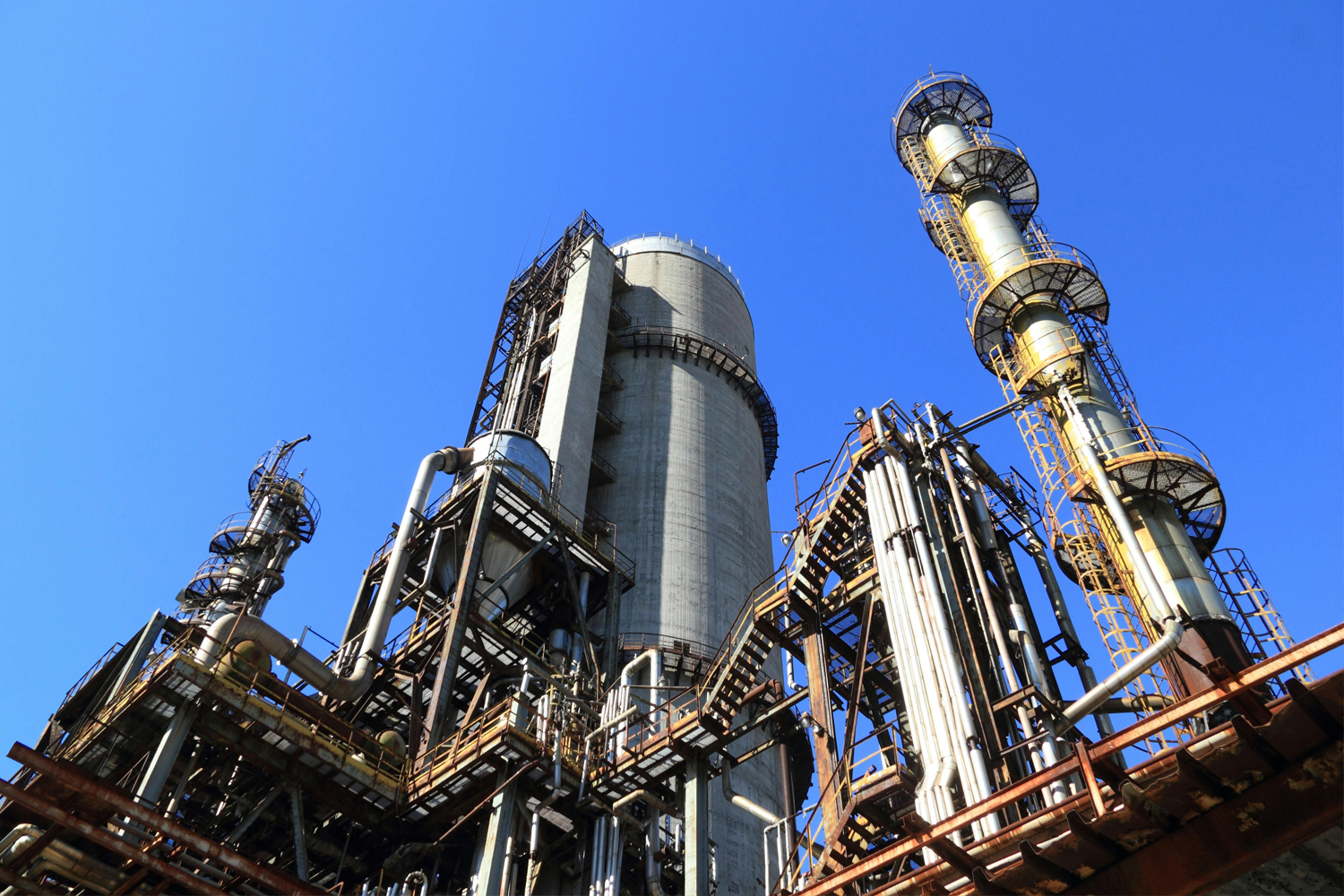






Manufacturing is undergoing one of the most significant transformations in its history. Factories that once relied primarily on mechanical production lines and large workforces are increasingly integrating artificial intelligence, robotics, connected sensors and advanced analytics.
This transformation is changing not only how products are made but also where companies choose to manufacture them, how they manage supply chains and what skills they require from workers.
Global manufacturing activity remained relatively strong in October 2026, although the recovery was uneven across regions. S&P Global’s manufacturing analysis, published in November, reported that worldwide factory output continued to rise at a robust pace, with technology-oriented economies and sectors benefiting from investment in AI infrastructure and defence.
At the same time, manufacturers in several regions faced pressure from high energy prices, tariffs, supply-chain disruptions and climate-related challenges.
The result is a manufacturing landscape in which technological capability and operational resilience are becoming major competitive advantages.
The rise of intelligent factories
The traditional factory model was built around standardised processes and predictable production schedules. Modern manufacturing is moving towards more connected and adaptive systems.
Sensors can monitor machine performance, while AI-based analytics can identify patterns that may indicate equipment failure. Predictive maintenance systems help manufacturers schedule repairs before a breakdown interrupts production.
Digital twins allow companies to create virtual representations of physical equipment or production facilities. Engineers can use these models to test changes, simulate operating conditions and improve factory performance.
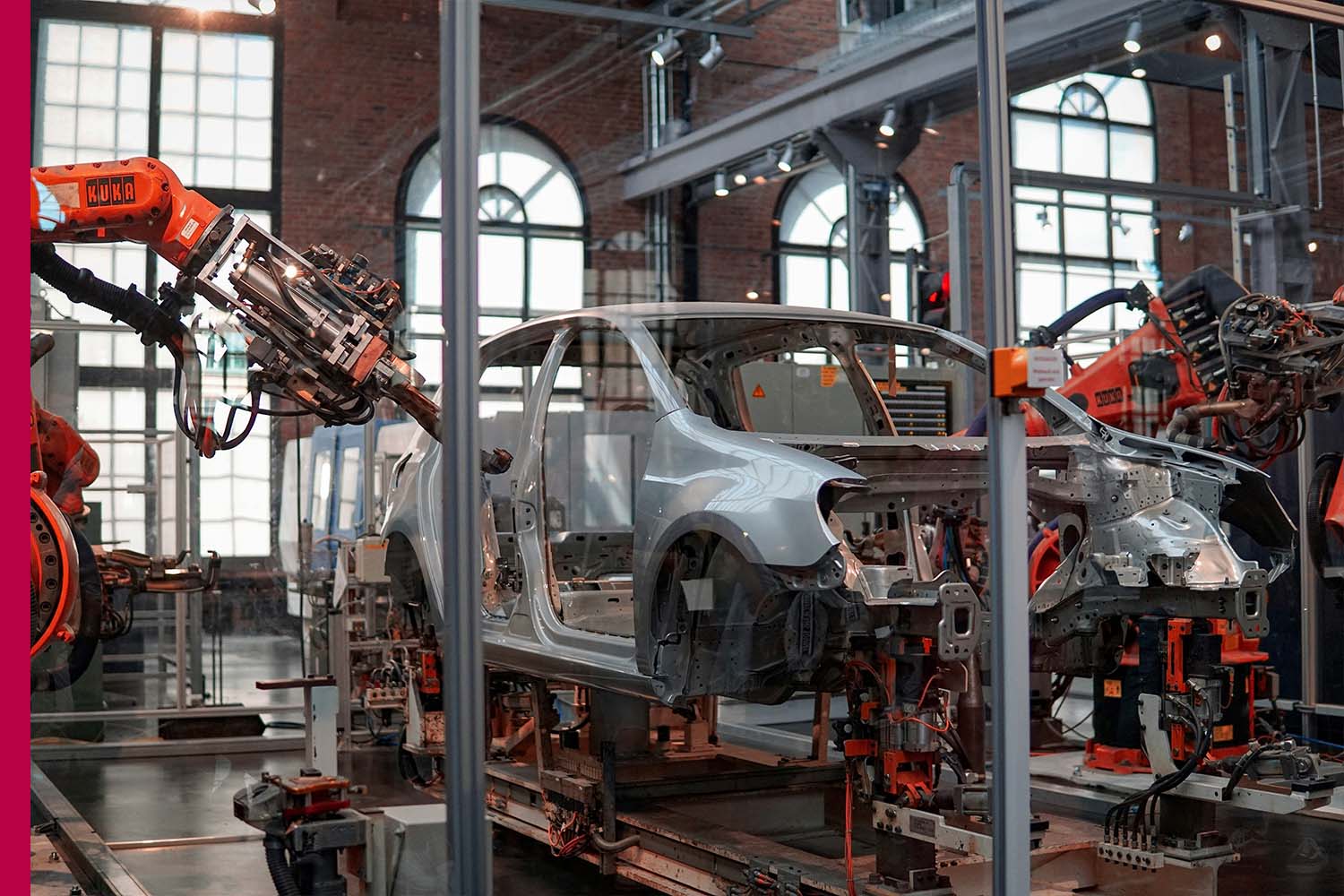
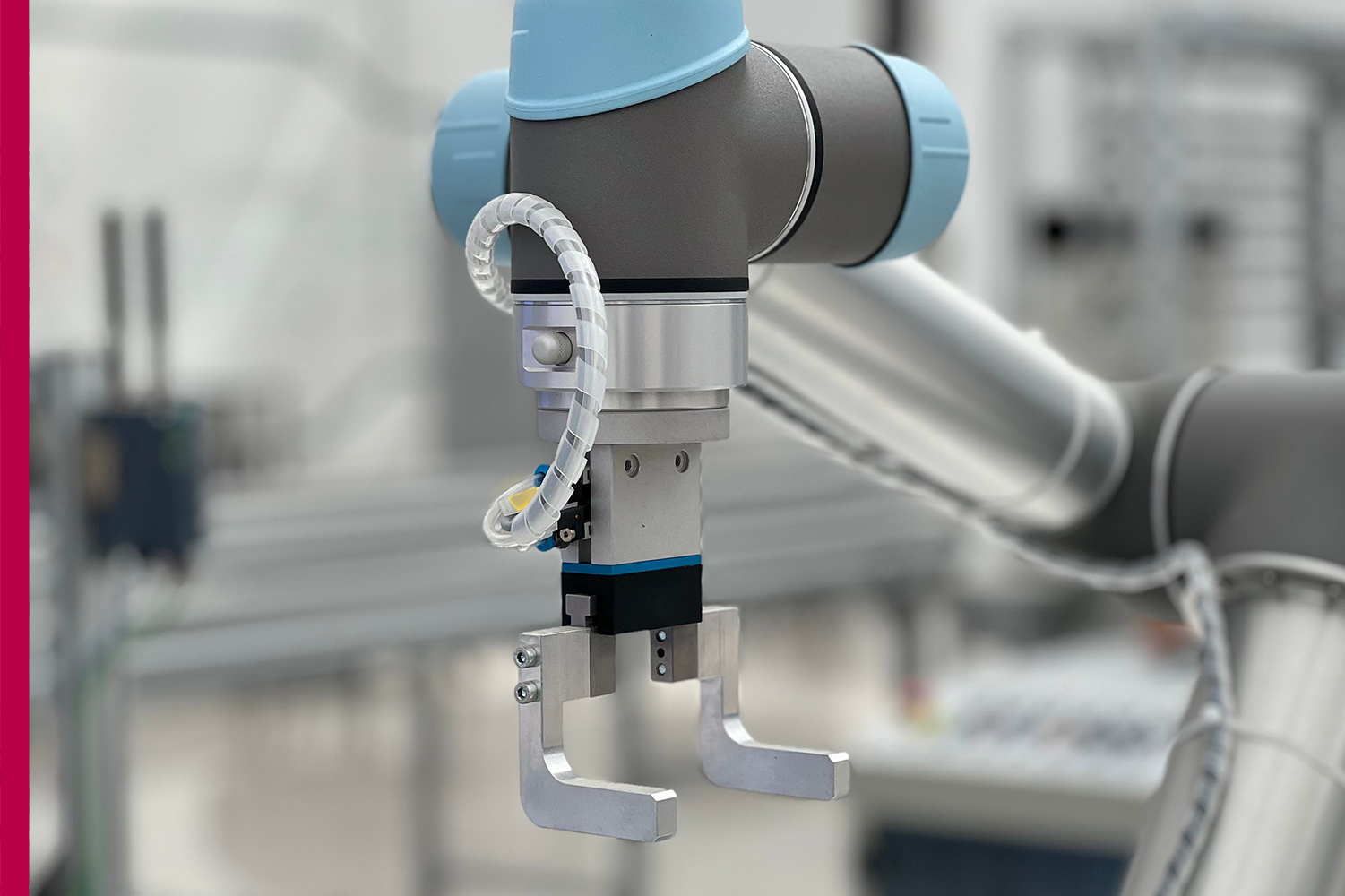
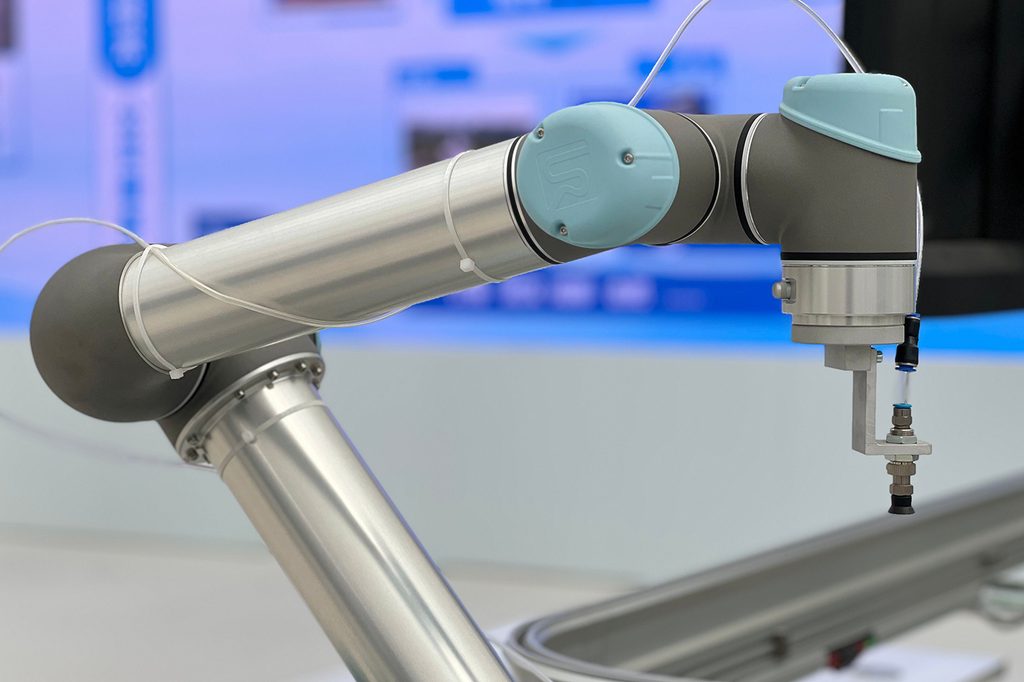
Robotics is another major driver of change. Industrial robots are increasingly handling welding, assembly, material movement, inspection and packaging.
The International Federation of Robotics reported in November 2026 that the global manufacturing sector had reached a new peak in robot density. South Korea led the rankings with 1,066 industrial robots per 10,000 manufacturing employees, followed by Singapore at 873 and Germany at 469. The reported global average was 152 robots per 10,000 employees.
These figures demonstrate how automation is becoming an important part of industrial competitiveness.
The AI investment connection
Artificial intelligence is creating new demand for manufactured products and industrial capacity.
Data centres require servers, processors, cooling systems, electrical equipment, power-management technologies and specialised components. The rapid expansion of AI infrastructure is therefore influencing demand across electronics, semiconductor and electrical manufacturing.
S&P Global’s November analysis identified technology-focused economies and northern European equipment producers among the beneficiaries of investment connected to AI and defence.
However, the benefits are not evenly distributed. Manufacturers producing lower-value goods in economies exposed to high energy costs, tariffs and supply-chain uncertainty face more difficult conditions.
This divergence highlights a major challenge for industrial policymakers: how to ensure that technological growth creates opportunities across a broad manufacturing base rather than concentrating investment in a limited number of high-value sectors.
Automation does not eliminate the need for people
The growing use of robots often creates concern about employment. Certain repetitive tasks can be automated, reducing the need for manual intervention. Yet modern factories still require people with specialised technical and operational knowledge.
Manufacturers need robotics engineers, maintenance technicians, data analysts, cybersecurity specialists, production planners and quality-control professionals.
The workforce challenge is therefore shifting from simply recruiting large numbers of production workers to developing people capable of operating and maintaining advanced systems.
Deloitte’s 2027 manufacturing outlook, published in November 2026, identified smart manufacturing, agentic AI, supply-chain complexity and workforce adaptation among the major issues shaping the industry’s future.
Companies that invest in employee training may be better positioned to introduce new technologies without creating unnecessary operational disruption.
Reshoring and the search for resilient supply chains
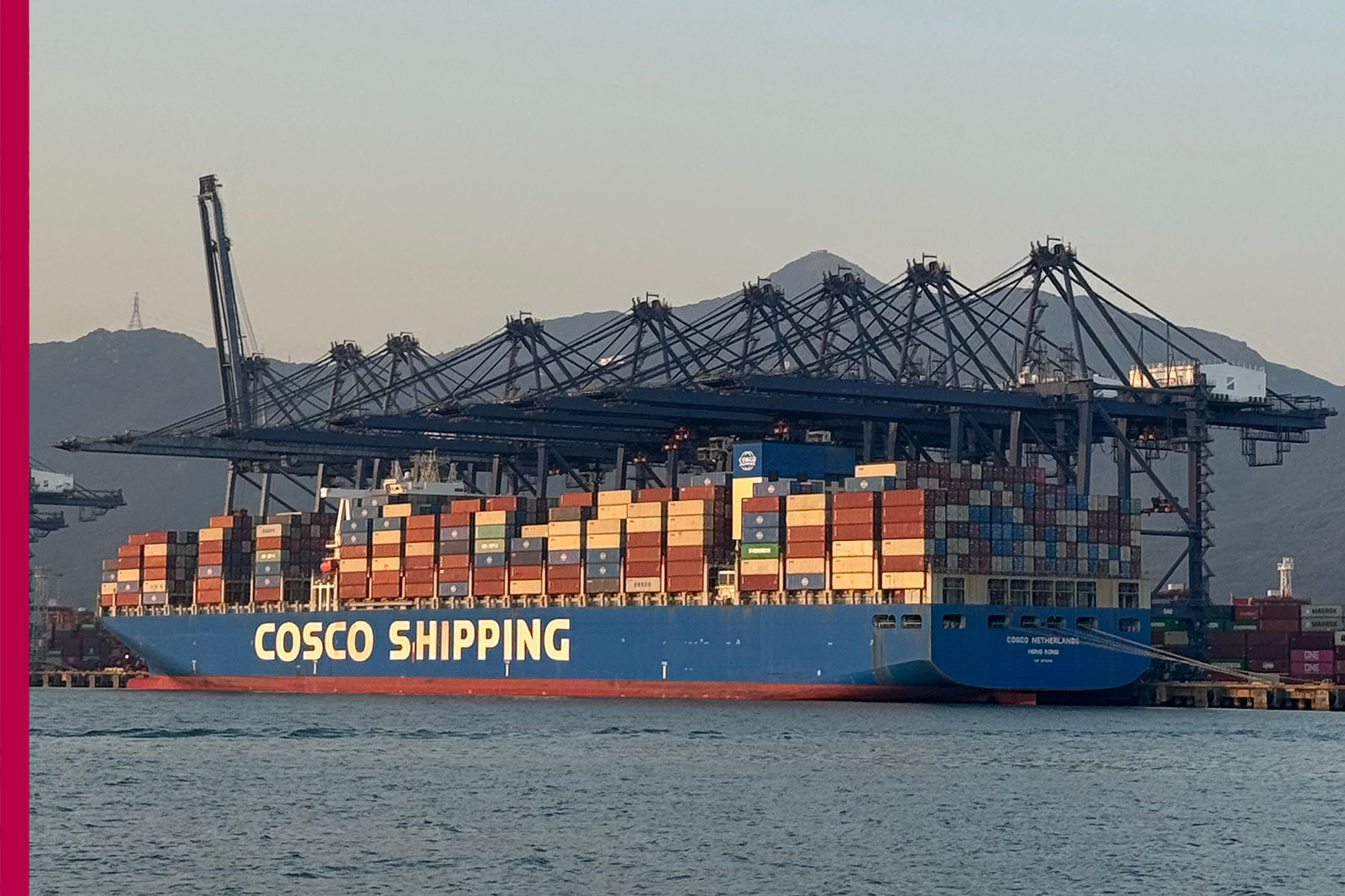
The globalisation of manufacturing created highly interconnected supply chains. Companies could design products in one country, source components from several others and assemble finished goods wherever production costs were most competitive.
Recent disruptions have encouraged manufacturers to reconsider this structure.
Some companies are moving production closer to major markets, while others are diversifying suppliers to reduce dependence on a single country or region. This process is often described through terms such as reshoring, nearshoring and friend-shoring.
However, relocating factories is expensive and complicated. Manufacturers must consider labour availability, energy costs, infrastructure, regulation, logistics and access to specialised suppliers.
The future is unlikely to involve a complete retreat from global manufacturing networks. Instead, companies may build more diversified systems that combine international sourcing with strategically located production capacity.
Semiconductors and advanced materials are strategic industries
Semiconductors have become central to manufacturing competitiveness. They are essential for smartphones, vehicles, industrial equipment, medical devices, communication networks and AI systems.
The growing demand for advanced chips has encouraged investment in semiconductor manufacturing facilities and supporting supply chains around the world.
Yet chip production requires enormous capital, specialised equipment, highly skilled workers and dependable access to materials and energy.
The same strategic importance applies to advanced materials, batteries, precision components and industrial electronics. Countries seeking stronger manufacturing capabilities must develop ecosystems rather than focusing only on individual factories.
Sustainability is changing industrial design
Manufacturers are also under pressure to reduce energy consumption, emissions and material waste.
Circular manufacturing models encourage companies to reuse materials, repair products and design components for longer life cycles. Energy-efficient equipment and renewable power can reduce operating costs while supporting environmental goals.
Digital monitoring can help factories identify inefficient processes and reduce unnecessary consumption.
However, sustainable manufacturing requires investment. Smaller manufacturers may struggle to finance new machinery, energy systems and environmental reporting requirements.
Support through financing, technical training and shared industrial infrastructure could help broaden the transition.
The factory of the future
The next generation of manufacturing will be defined by the ability to combine human expertise with intelligent machines.
Automation can improve consistency and productivity. AI can help companies make better decisions. Digital twins can reduce development risks. Flexible supply chains can protect production from disruption.
But none of these capabilities can compensate for poor management, weak infrastructure or insufficient skills.
The world’s leading manufacturers will be those that treat technology as part of a broader industrial strategy.
The factory of the future will not simply produce more goods. It will need to respond faster, use resources more responsibly and remain operational under uncertain conditions.
Manufacturing is no longer just about the scale of production. It is becoming a measure of how intelligently an economy can turn knowledge, technology and resources into lasting value.