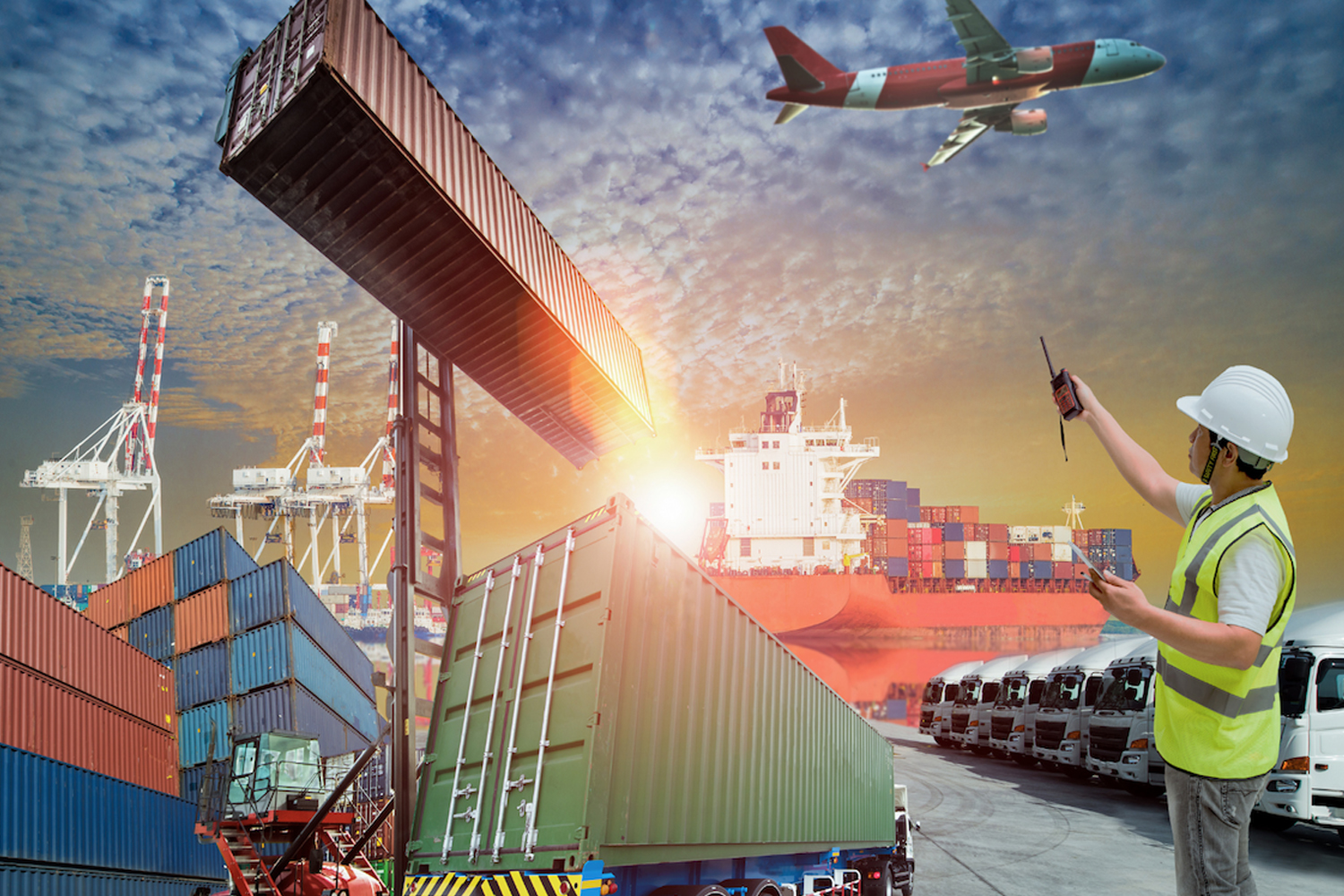


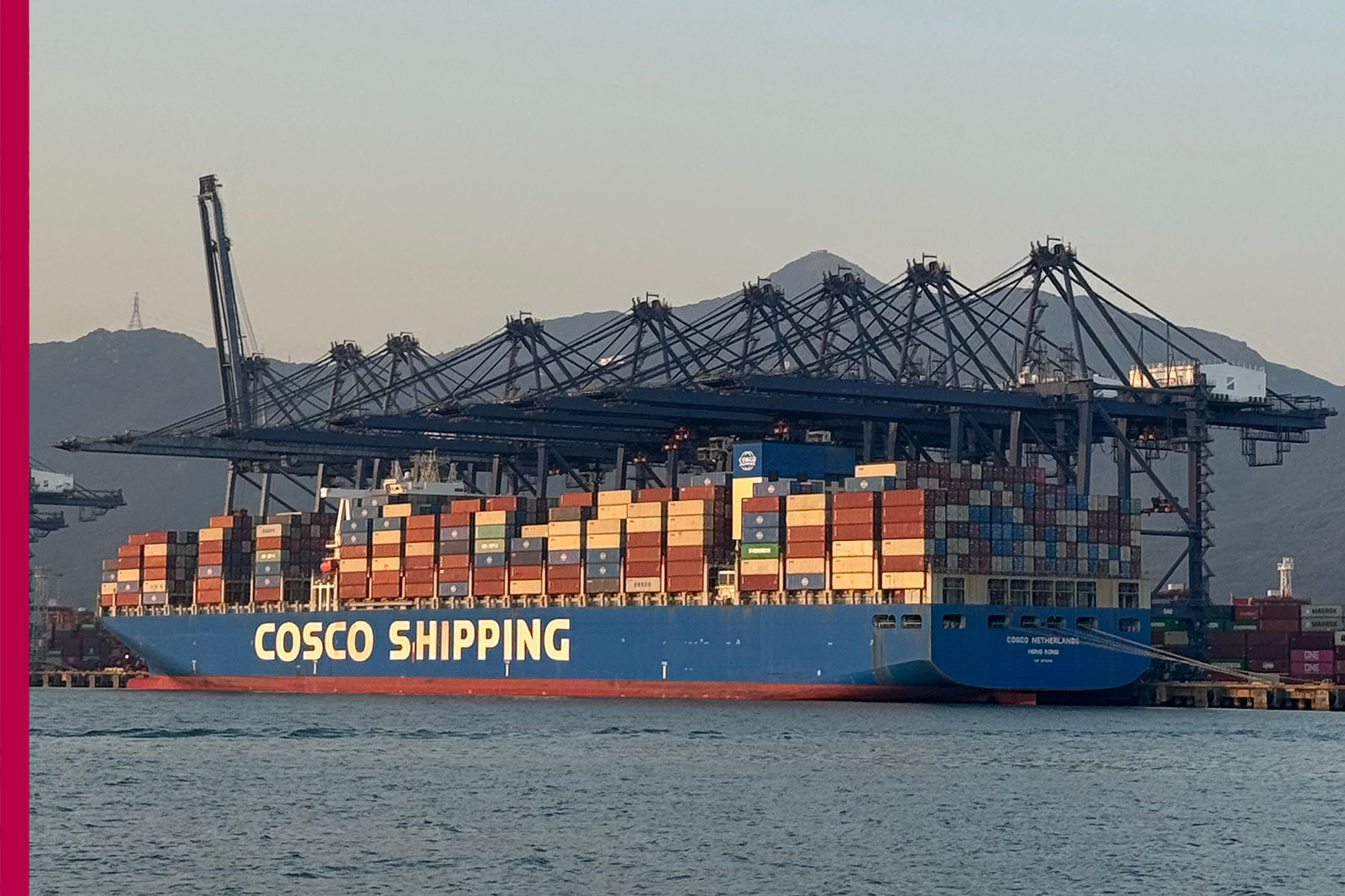

International logistics has become one of the most strategically important industries in the global economy. The movement of goods across oceans, ports, airports, rail networks and roads determines how quickly businesses can manufacture products, serve customers and respond to market demand.
For decades, global supply chains were designed around efficiency. Companies sought the shortest routes, lowest transportation costs and minimum inventory levels. Recent disruptions have challenged that approach. Geopolitical tensions, port congestion, changing trade patterns and energy-market uncertainty are forcing logistics companies to reconsider how they move goods around the world.
Developments reported during November 2026 show that the shipping industry is still navigating a complex environment. The Suez Canal route remains a major concern, while shipping companies are adjusting networks to accommodate changing conditions across Asia, Europe and other trade corridors.
The Suez Canal question remains unresolved
The Suez Canal is one of the world’s most important maritime passages, connecting the Mediterranean Sea with the Red Sea and providing a direct route between Europe and Asia.
Disruptions to shipping through the Red Sea have forced many vessels to take longer routes around the Cape of Good Hope. This increases sailing distances, fuel consumption, crew requirements and delivery times.
A report published by Global Trade Magazine on November 18, citing DHL’s assessment, indicated that a reopening of the Suez route would not necessarily restore normal shipping conditions immediately and that disruptions could continue into 2027.
This is important because global shipping networks cannot be reorganised overnight. Vessel schedules, container availability, port capacity and customer contracts are all interconnected. Even if a route becomes safer, operators must evaluate whether it is commercially and operationally practical to return.
For businesses, the lesson is clear: a supply chain built around a single preferred route may be vulnerable when geopolitical conditions change.
Shipping companies are benefiting from higher freight rates
Maersk, one of the world’s largest container-shipping groups, raised its 2026 financial outlook for the third time in November.
Reuters reported on November 5 that the company increased its expected underlying EBITDA to between US$14 billion and US$14.5 billion. The revised outlook reflected persistently high freight rates, port congestion and demand associated with AI infrastructure, semiconductors, electrification and energy investment.
The development reveals an interesting connection between seemingly unrelated industries.
The expansion of data centres, semiconductor manufacturing and energy infrastructure requires large volumes of specialised equipment, components and materials. This creates additional demand for international transportation and logistics services.
However, higher freight rates are not automatically a sign of a healthier shipping system. They can also indicate limited capacity, operational disruption and increased costs for importers and exporters.
Shipping companies must balance profitability with the risk of changing market conditions. If vessels return to shorter routes or additional capacity enters the market, freight rates may ease.
The logistics industry is redesigning its networks
Maersk’s November Asia-Pacific market update highlighted changes to its Gemini network, including new routing options between Asia and Europe and improved connectivity to Mediterranean, West African and Latin American destinations.
The company also reported that operational conditions at major East China ports had improved following earlier weather-related disruptions, although schedule reliability remained an issue.
These developments demonstrate how shipping networks are becoming more flexible. Logistics companies are evaluating multiple routes and adjusting port coverage to maintain service reliability.
For customers, this creates a need for better planning. Businesses must understand not only the price of transportation but also the reliability of schedules, the availability of alternative routes and the time required to move goods through ports.
Technology is becoming the industry’s competitive advantage
The logistics sector is increasingly using artificial intelligence, automation, predictive analytics and real-time tracking to manage complex operations.
AI systems can help forecast demand, optimise routes, allocate warehouse capacity and identify potential disruptions. Digital platforms can provide greater visibility into cargo movements, allowing companies to respond when shipments are delayed.
Automation is also changing warehouses and distribution centres. Autonomous mobile robots, automated sorting systems and intelligent inventory-management platforms can improve productivity and reduce repetitive manual work.
However, digitalisation creates new responsibilities. Logistics companies must protect operational data, secure connected systems and ensure that digital platforms can communicate across different partners.
A highly automated network is only as resilient as its underlying technology and infrastructure.
Air freight and multimodal transport are gaining importance
Maritime shipping remains essential for large volumes of international trade, but it is not suitable for every product or delivery requirement.
Air freight is particularly important for pharmaceuticals, electronics, high-value components and time-sensitive products. When ocean routes become unreliable, companies may shift some cargo to air transportation despite the higher cost.
Multimodal logistics offers another option. By combining sea, rail, road and air transportation, companies can create alternative routes that reduce dependence on any single transport system.
Rail connections between Asia and Europe, for example, can provide an alternative for selected cargo categories. However, capacity, border procedures, geopolitical conditions and infrastructure limitations influence their commercial viability.
Sustainability is becoming an operational priority
The logistics industry faces growing pressure to reduce emissions. Shipping companies are exploring alternative fuels, energy-efficient vessels, improved voyage planning and new propulsion technologies.
Ports are also investing in electrification, digital systems and more efficient cargo-handling equipment.
The transition is complex because international shipping requires large vessels, long distances and dependable fuel availability. Alternative fuels must become commercially viable and supported by adequate production and distribution infrastructure.
For logistics businesses, sustainability is increasingly connected to cost management, regulation and customer expectations.
From efficiency to resilience
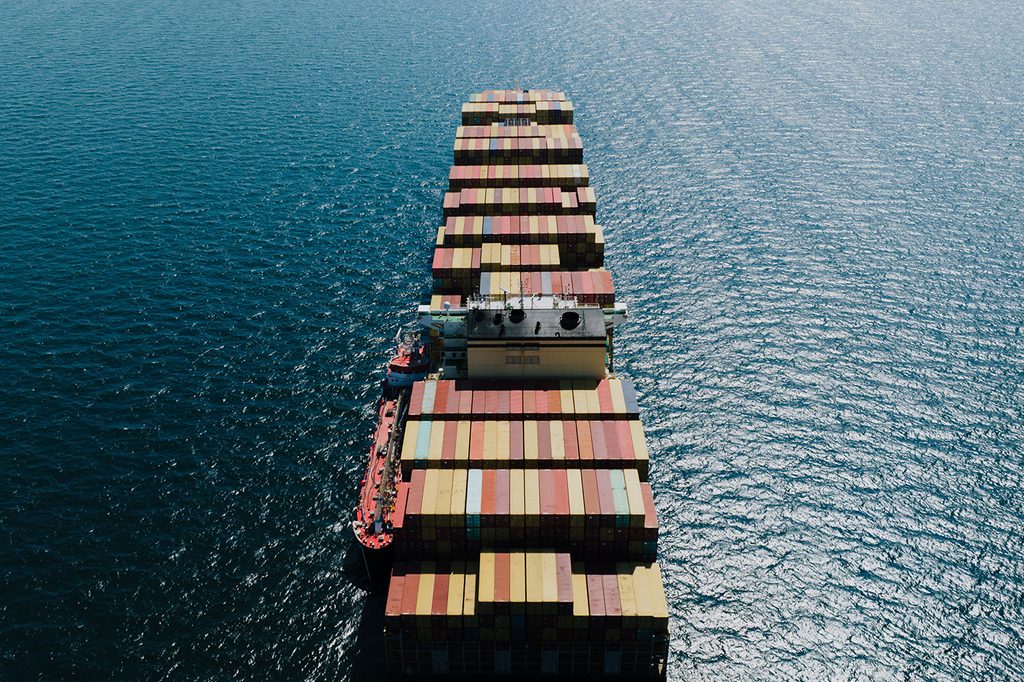
The biggest change in global logistics is philosophical. Companies are beginning to recognise that the cheapest supply chain is not necessarily the strongest.
Holding additional inventory, maintaining alternative suppliers and securing multiple transportation routes may increase short-term costs. Yet these measures can protect businesses from major disruptions.
The future logistics leader will need to combine cost efficiency with flexibility, technology, sustainability and geopolitical awareness.
Global trade will continue to depend on ships, aircraft, ports and warehouses. But the companies that succeed will be those that can adapt when the expected route is no longer available.
In a world of changing trade corridors, resilience is becoming just as valuable as speed.