


The global competition for critical minerals is becoming a defining issue for energy, technology and national security. India is taking another step towards strengthening its position, with the Ministry of Mines launching a new auction round covering 20 critical and strategic mineral blocks on November 5.
The ninth tranche of critical mineral block auctions includes resources spread across several Indian states. The minerals on offer include graphite, vanadium, gallium, titanium, rare earth elements, tungsten, potash and other strategically important materials.
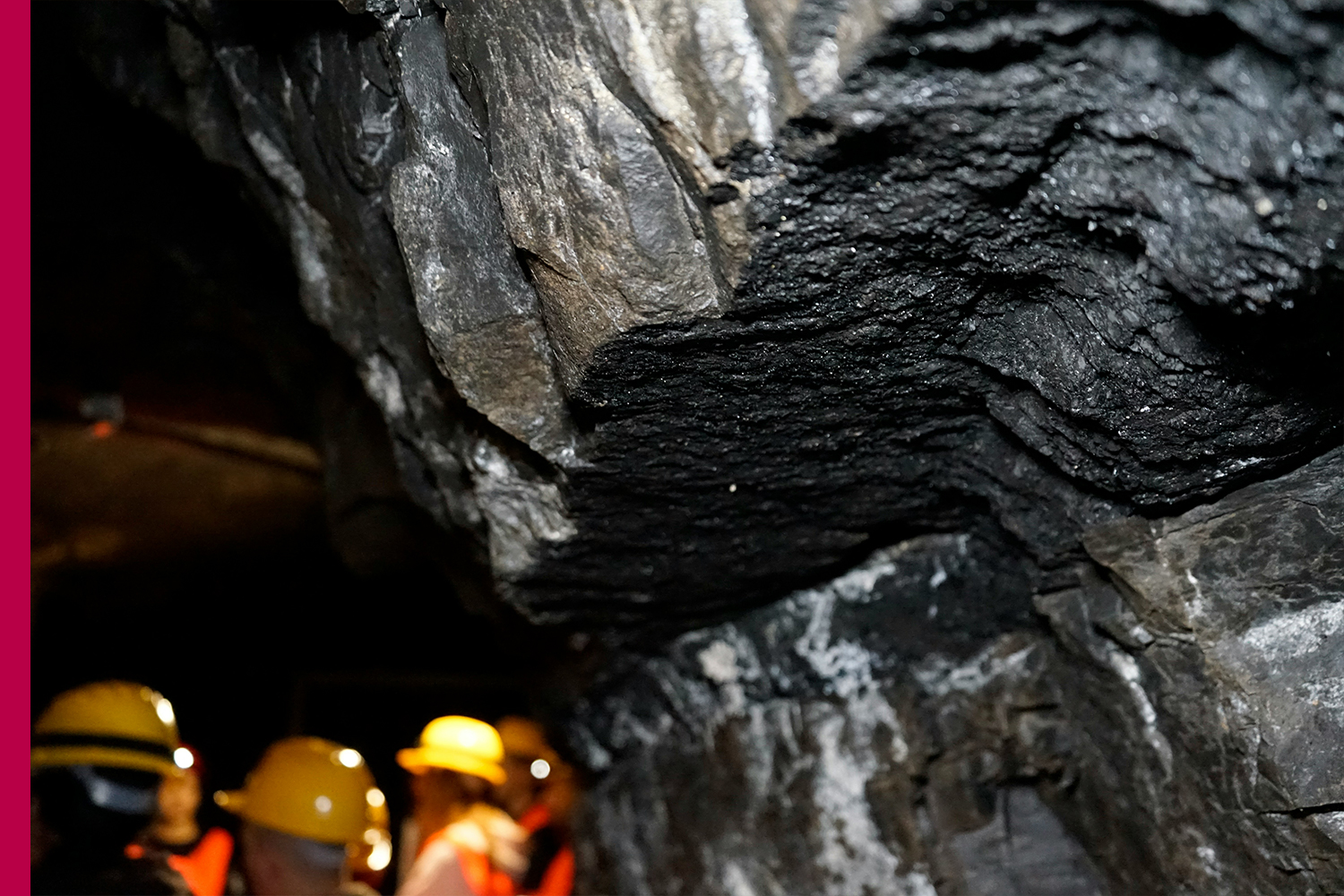
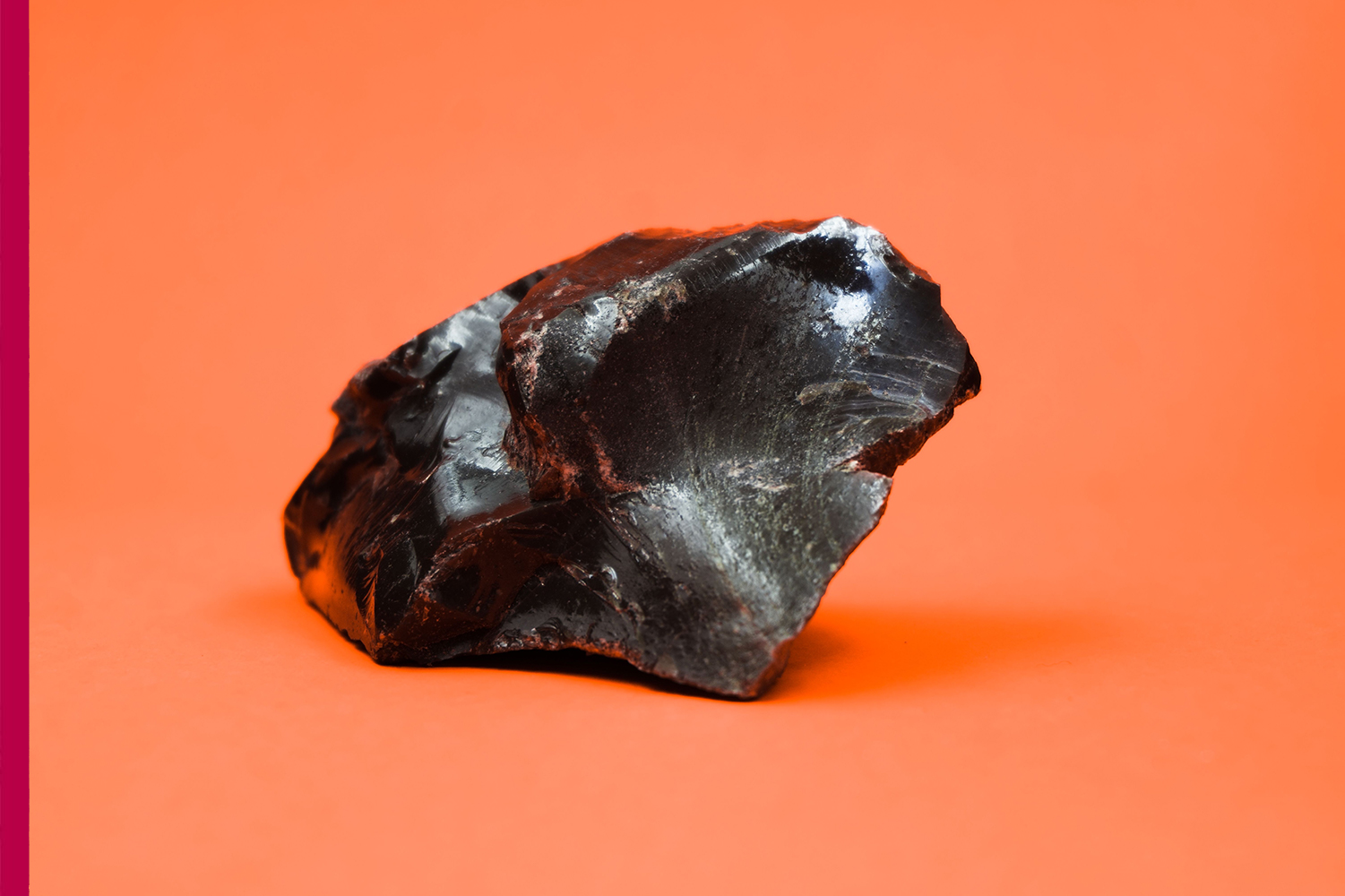
These resources are essential to industries that will shape the coming decades. Rare earth elements are used in advanced electronics, permanent magnets and several clean-energy technologies. Graphite is important for battery applications, while minerals such as vanadium, gallium and titanium support specialised industrial, electronic and defence-related uses.
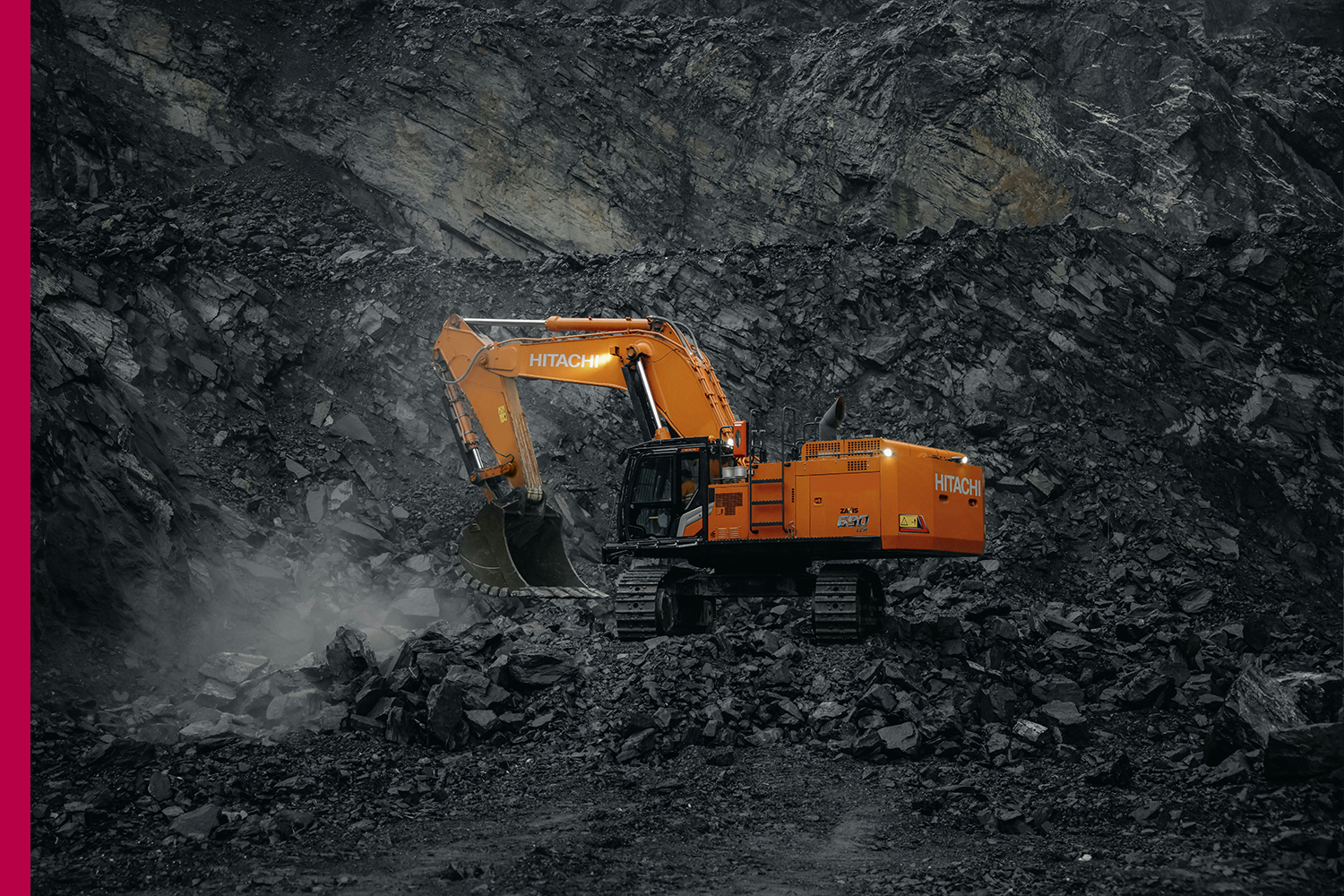
The auction announcement also included a third tranche of exploration licence blocks. This is significant because exploration is often the first and most uncertain stage of developing a mineral resource. By allowing private participation in the exploration of specified critical and deep-seated minerals, the government aims to encourage more investment in identifying India’s domestic resource potential.
The latest round follows eight earlier tranches in which 100 unique critical and strategic mineral blocks were offered, with 64 successfully auctioned, according to the Ministry of Mines.
The government has also introduced changes intended to improve auction participation. An amendment notified in October 2026 reduced the minimum number of technically qualified bidders required for the second round of certain Part D mineral auctions from three to two. The reform is intended to address situations in which blocks fail to attract sufficient bidders.
Why does this matter now? The transition towards electric mobility, renewable power, energy storage and advanced electronics is increasing the strategic importance of mineral supply chains. Countries that depend heavily on imported resources can face vulnerabilities when international trade is disrupted or supply becomes concentrated in a small number of regions.

For India, developing domestic mineral resources could strengthen industrial security and support the growth of battery manufacturing, electronics, defence production and other advanced sectors. It could also create opportunities for exploration companies, mining technology providers, engineering firms and infrastructure developers.
But mineral development comes with responsibilities. Exploration and mining must consider environmental protection, local communities, land use, water resources and transparent regulation. Winning an auction is only the beginning; developing a commercially viable and responsible mining operation can take considerable time and investment.
India’s critical mineral strategy is therefore about more than extracting resources. It is about building a dependable ecosystem that connects exploration, processing, manufacturing and technology.
As the global economy becomes increasingly dependent on advanced materials, the countries that secure reliable mineral supplies may gain an important advantage in the industries of the future.