

Copper is once again attracting attention in global commodity markets. After a difficult week for base metals, prices showed signs of recovery on November 9, as concerns over tight supply in China helped support the market.
A market update published on November 10 reported that London Metal Exchange copper had risen by around 0.5% on Monday. Aluminium also gained approximately 1%, while nickel advanced around 0.6%. The movements came amid changing supply conditions and uncertainty over global industrial demand.
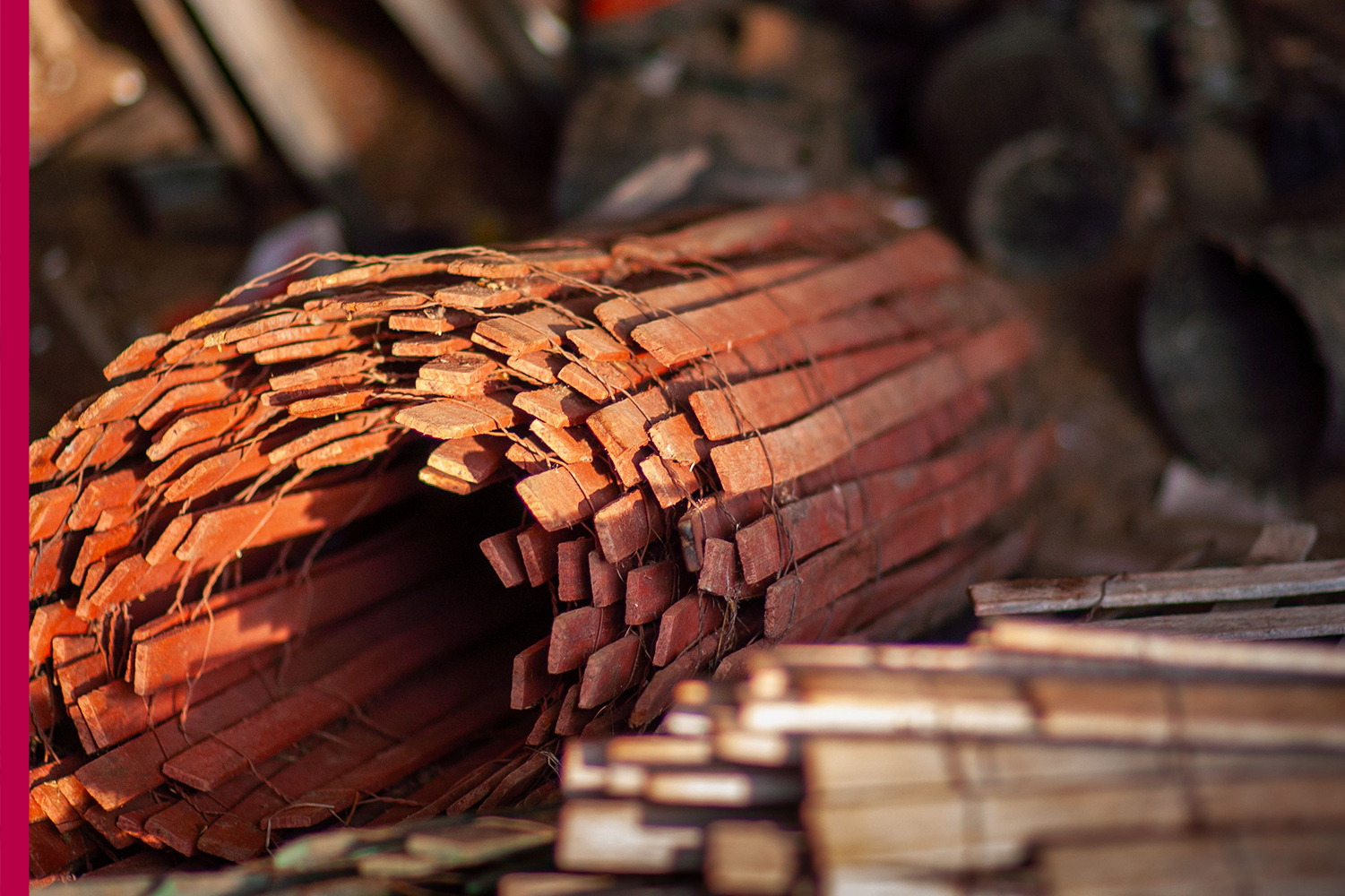
China remains a major influence on the metals market because of its enormous manufacturing base and demand for industrial materials. Reports of falling copper inventories in Shanghai, alongside difficulties in securing supplies of copper concentrate and scrap, have added to concerns about availability.
These developments matter well beyond commodity traders. Copper is essential to electrical wiring, power infrastructure, renewable energy systems, electric vehicles, electronics and industrial equipment. Aluminium is widely used in transport, construction, packaging and manufacturing. Nickel plays an important role in stainless steel and certain battery technologies.
For Indian businesses, changes in international metal prices can influence production costs, purchasing decisions and profit margins. Manufacturers of electrical equipment, automobiles, construction materials and consumer appliances may all feel the impact of sustained price movements.
The market picture, however, is not straightforward. Supply constraints can support prices, but weaker industrial demand, changes in trade policy and uncertainty around global economic growth can quickly alter market sentiment. A short-term rebound does not automatically signal a long-term price increase.
India’s own steel sector provides another important example of how commodity prices affect the wider economy. Government data for October showed domestic TMT prices at ₹66,645 per tonne, around 26% higher year on year. Hot-rolled coil prices were reported at ₹77,620 per tonne, approximately 31.6% higher than a year earlier.
For infrastructure developers and manufacturers, these changes can influence project budgets and procurement strategies. For metal producers, they may create opportunities, although energy costs, raw-material availability and competition remain important factors.
The metals industry is closely connected to the world’s biggest economic transitions, from electrification and renewable energy to urban development and advanced manufacturing. As demand patterns change, access to reliable and affordable materials will become increasingly strategic.
The recent market movement is a reminder that metals are not just commodities traded on exchanges. They are fundamental inputs powering modern economies, and their price movements can reach businesses and consumers across the world.