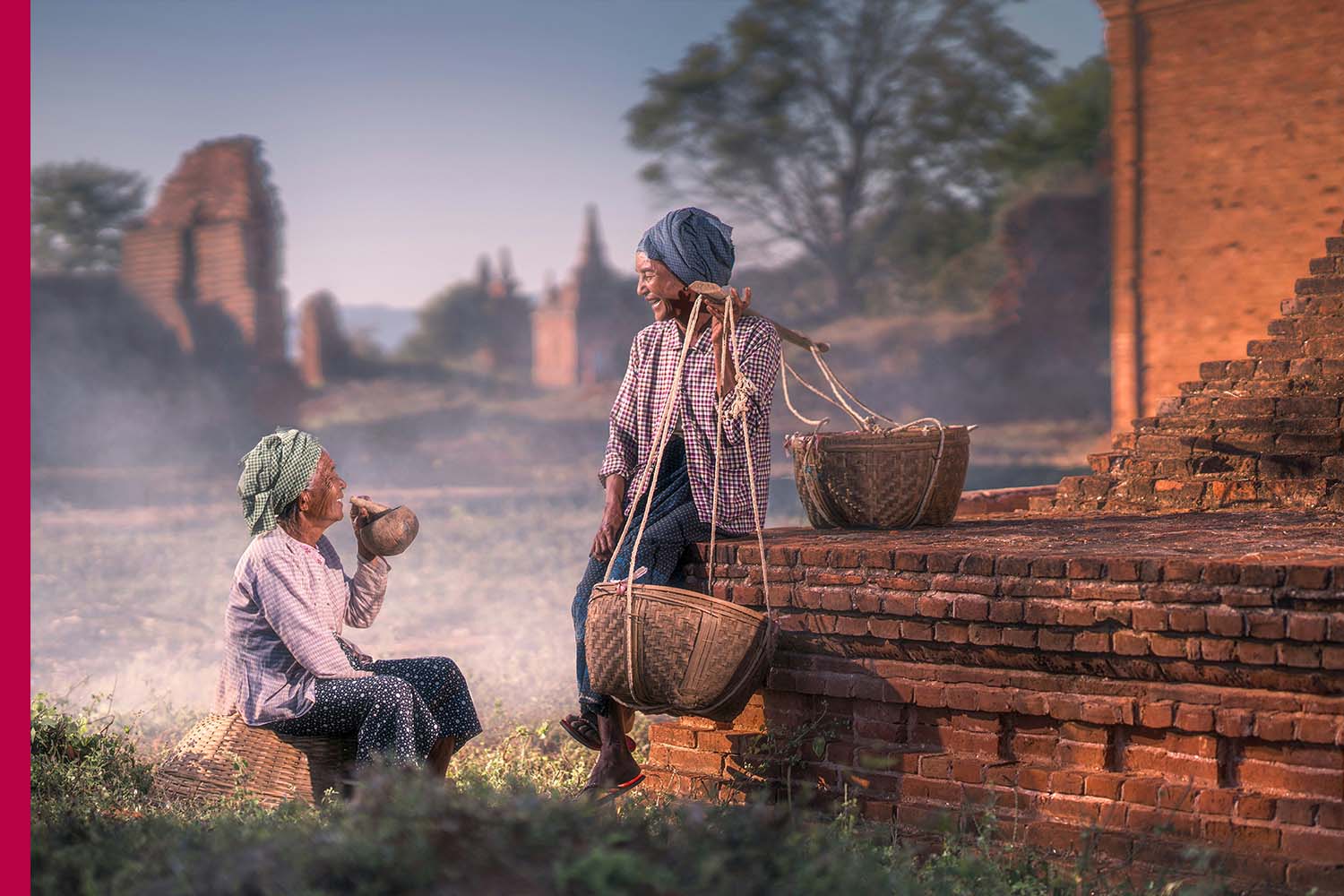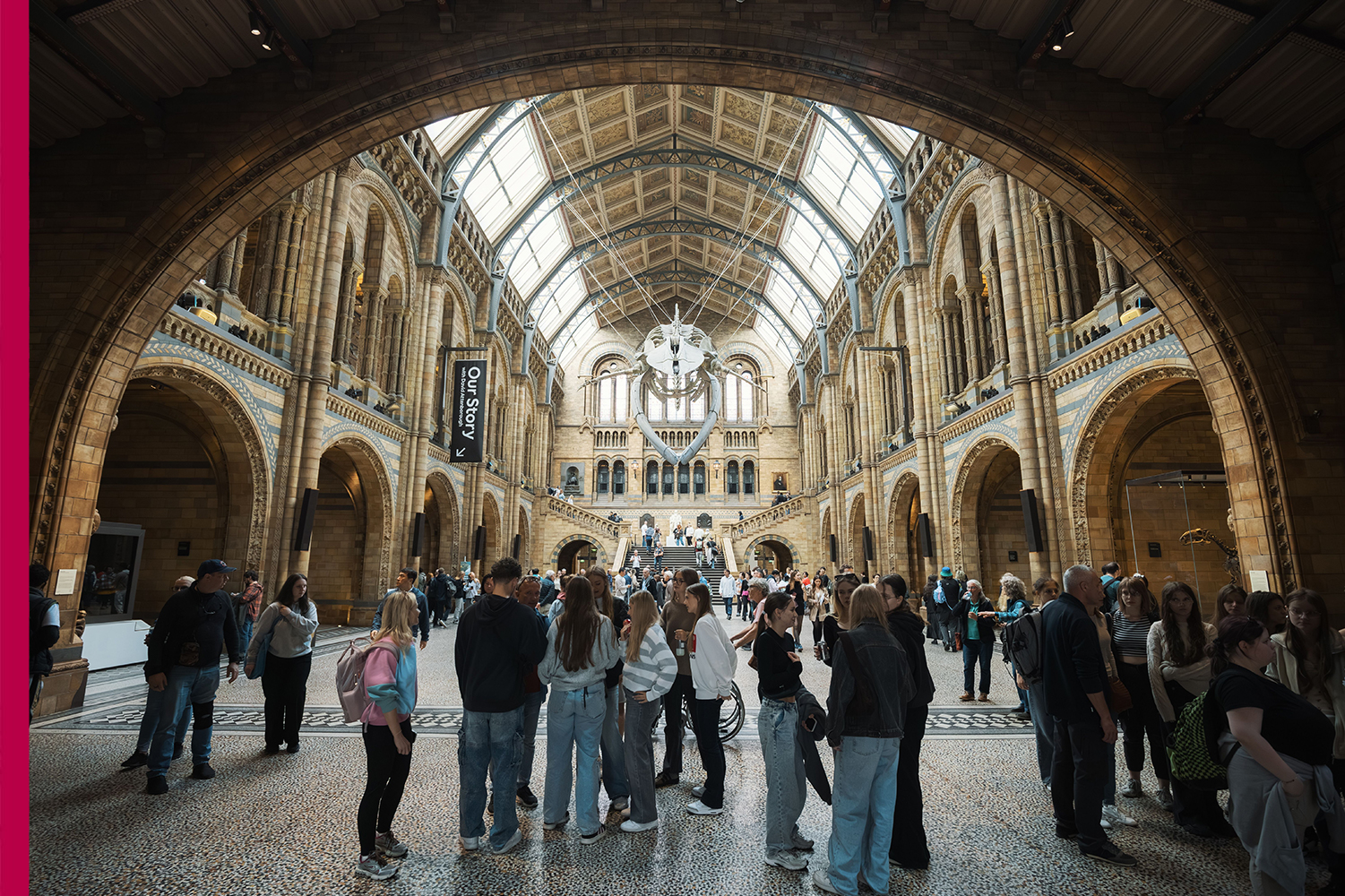




Society and culture are the foundations of collective identity. They influence how people communicate, celebrate, create, learn and understand the world around them. From traditional crafts and regional languages to music, food, festivals and contemporary art, cultural expression carries the experiences of generations while providing space for new ideas.
In a rapidly changing world, the relationship between tradition and modernity is becoming increasingly important. Urbanisation, digital platforms, migration and global communication are influencing how communities preserve and share their identities. Younger generations are discovering cultural traditions through new formats, while artists and entrepreneurs are finding contemporary ways to present heritage to wider audiences.
India’s cultural diversity is one of its greatest strengths. Its many languages, artistic traditions, regional cuisines, textiles, performing arts and craft practices reflect a long history of creativity and exchange. Preserving this diversity requires more than celebrating it during festivals. It requires sustained opportunities for artists, artisans, performers and cultural institutions to continue their work.
Cultural preservation also has an economic dimension. Traditional crafts and creative industries support livelihoods, particularly among small producers and artisan communities. Better market access, fair opportunities, skill development and digital visibility can help these communities reach new customers without losing the distinctiveness of their work.
The Shilp Samagam Mela 2026, organised by the Ministry of Social Justice and Empowerment at Dilli Haat in New Delhi, offers a recent example of how cultural celebration can be connected with economic opportunity. The event brings together traditional crafts, handloom products, indigenous art forms, food and cultural performances. According to the Ministry, more than 1,000 artisans from different beneficiary communities have gained exhibition and marketing opportunities through 15 such fairs organised since 2022.
The initiative also highlights the importance of inclusion. Cultural platforms become stronger when people from different backgrounds and abilities have opportunities to participate, exhibit their work and reach audiences. Diversity should not be limited to representation; it should include meaningful access and participation.
Technology is creating new possibilities for cultural engagement. Digital archives, online marketplaces, social media and virtual exhibitions can help preserve knowledge and connect creators with audiences beyond geographical boundaries. At the same time, digital platforms must respect ownership, authenticity and the rights of traditional knowledge holders.
Society is also shaped by how communities respond to changing social needs. Education, equal opportunity, accessibility, environmental awareness and respect for different perspectives influence the kind of future people build together. Cultural identity can provide a sense of belonging, while openness to dialogue helps communities evolve.
For businesses and institutions, supporting culture can be a meaningful part of social responsibility. Partnerships with local artists, investment in cultural education and platforms for emerging talent can contribute to stronger communities. Such efforts are most valuable when they create lasting opportunities rather than short-term visibility.
A society’s culture is not frozen in the past. It grows as people reinterpret traditions, exchange ideas and create new forms of expression.
Preserving heritage while welcoming change is therefore not a contradiction. It is how culture remains alive, relevant and meaningful for future generations.