


Wellness is becoming an increasingly important part of how people define a good life. For many years, health was primarily associated with medical treatment and the absence of illness. Today, the conversation is expanding to include physical fitness, mental well-being, nutrition, sleep, emotional balance and the everyday choices that influence long-term quality of life.
This shift is changing consumer behaviour and creating opportunities across several industries. Fitness centres, wellness retreats, nutrition services, health technology companies, personal care brands and preventive health platforms are responding to a growing interest in healthier living.
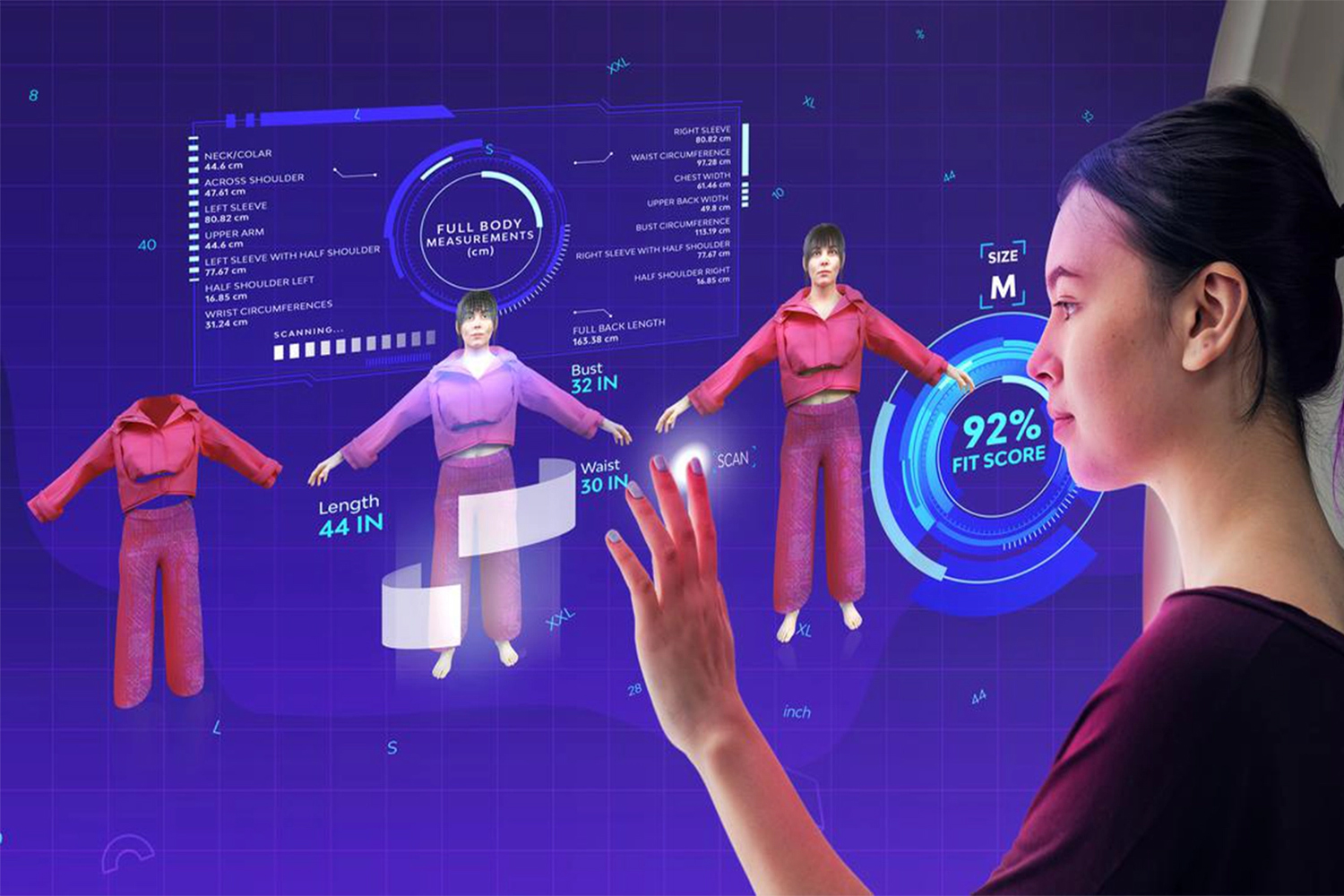
One of the most important developments is the movement from occasional health interventions towards consistent daily habits. People are increasingly exploring ways to incorporate exercise, balanced nutrition and stress management into their routines. Wearable devices and digital applications are also helping individuals monitor activity, sleep patterns and other personal wellness indicators.
However, technology alone cannot create a healthier lifestyle. Information must be translated into practical and sustainable behaviour. A fitness tracker may record daily activity, but meaningful improvement depends on consistent movement. A nutrition application may provide meal suggestions, but healthier eating also requires accessibility, affordability and informed choices.
The wellness industry is therefore moving towards more personalised experiences. Consumers increasingly expect products and services that reflect their individual goals, preferences and circumstances. Businesses that can combine credible information with convenience and practical support may find opportunities to build stronger relationships with customers.
Mental well-being is another essential part of this changing landscape. Work pressure, digital overload, financial concerns and social expectations can affect emotional health. Conversations about rest, stress management and work-life balance are becoming more visible. Organisations are also recognising that employee well-being can influence engagement, productivity and workplace culture.
A recent McKinsey report published on November 3, 2026, examined the wellness trends shaping consumer expectations and spending as people place greater emphasis on health and scrutinise the products they purchase. The findings reflect how wellness is becoming an important consideration across consumer markets.

For businesses, the opportunity comes with responsibility. Wellness products and services must be supported by credible information, transparent claims and appropriate professional guidance. Consumers should be able to distinguish evidence-based services from exaggerated promises. Trust is particularly important in an industry that influences personal health decisions.
Access also matters. A healthier lifestyle should not be presented as something available only to people with significant disposable income. Affordable fitness programmes, accessible public spaces, nutritious food options and community-based wellness initiatives can help make healthier choices more achievable.
The future of wellness will not be defined by a single product, exercise programme or trend. It will emerge from a combination of individual responsibility, supportive communities, reliable services and environments that make healthy choices easier.
Ultimately, wellness is not a temporary goal or a fashionable label. It is an ongoing commitment to living with greater awareness, balance and care. The strongest wellness businesses will be those that help people make meaningful improvements that last beyond the latest trend.