




Creativity is often associated with art, illustration, fashion, photography, or visual expression. Yet its influence extends into almost every industry. The way a product is designed, a service is presented, a workplace is organised, or a brand communicates its identity reflects creative decisions. Design is not simply about making something attractive. It is about understanding people and developing solutions that are useful, meaningful, and memorable.
In today’s competitive business environment, creativity has become an important source of differentiation. Products may offer similar technical features, and services may compete on comparable prices. The experience surrounding them can make the difference. Thoughtful design can improve usability, strengthen recognition, communicate quality, and help customers understand why a product or organisation matters.
India’s creative ecosystem is broadening through independent designers, studios, architects, illustrators, filmmakers, digital creators, advertising professionals, and traditional artisans. These communities work across both established and emerging industries. Digital platforms have made it easier for creative professionals to reach audiences, collaborate internationally, and build independent careers. At the same time, competition for attention makes originality and consistent quality increasingly important.
Recent developments in India’s art and design calendar demonstrate the diversity of this creative landscape. Vogue India’s 3 November 2026 feature on upcoming art exhibitions highlighted a range of shows across Mumbai, Delhi, Bengaluru, Kolkata, and other cultural centres. Among the featured events was the fourth edition of Art Mumbai, scheduled for 12–15 November at Mahalaxmi Racecourse, bringing together 94 exhibitors. The programme reflects the continuing role of exhibitions and galleries in connecting artists, collectors, institutions, and audiences.
The workplace is another area where design is becoming strategically important. ORGATEC India 2026, scheduled for 19–21 November in Mumbai, is set to explore the relationship between workplace design, technology, and employee experience. Its focus reflects changing expectations around flexible working, collaboration, sustainability, and the physical environments in which people perform their jobs.
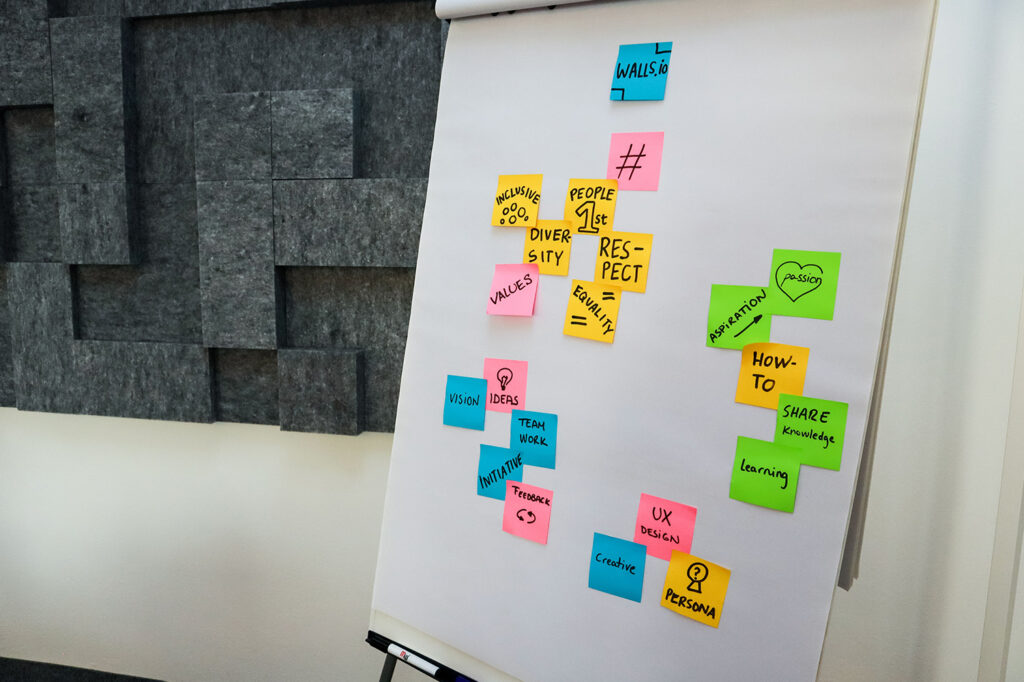
Design thinking can contribute to business performance by encouraging teams to understand a problem before rushing towards a solution. Observing users, identifying difficulties, testing prototypes, and refining ideas can help organisations create products and services that respond more effectively to real needs. This approach is valuable in technology, healthcare, education, retail, hospitality, and public services.
Artificial intelligence is introducing new tools for creative professionals. It can assist with early concepts, image exploration, editing, research, and repetitive production tasks. However, creative value still depends on judgement, taste, cultural understanding, and the ability to develop a distinctive point of view. The responsible use of AI also requires attention to copyright, consent, originality, and transparency.
The relationship between creativity and commerce must be managed carefully. Businesses need design that supports clear objectives, while creative professionals need room to experiment and develop ideas. Excessive dependence on trends can make brands look similar, whereas creativity without an understanding of the audience may struggle to achieve practical results.
India’s traditional crafts offer another important dimension. Handloom, sculpture, textiles, metalwork, painting, and regional art forms carry knowledge developed across generations. Connecting these practices with contemporary design and responsible markets can create new opportunities for artisans while helping preserve cultural heritage.
For organisations, investing in creativity means recognising it as a capability rather than a decorative expense. Design leadership, research, collaboration, and a willingness to experiment can help businesses develop stronger products and more meaningful customer experiences.
The future will belong to brands and institutions that understand the value of imagination supported by purpose. Creativity gives ideas their expression; design gives them structure; and thoughtful execution makes them useful in the world.
In a marketplace filled with competing messages and products, originality remains powerful. The most memorable creations are not simply those that look different, but those that make people see, feel, or experience something in a new way.