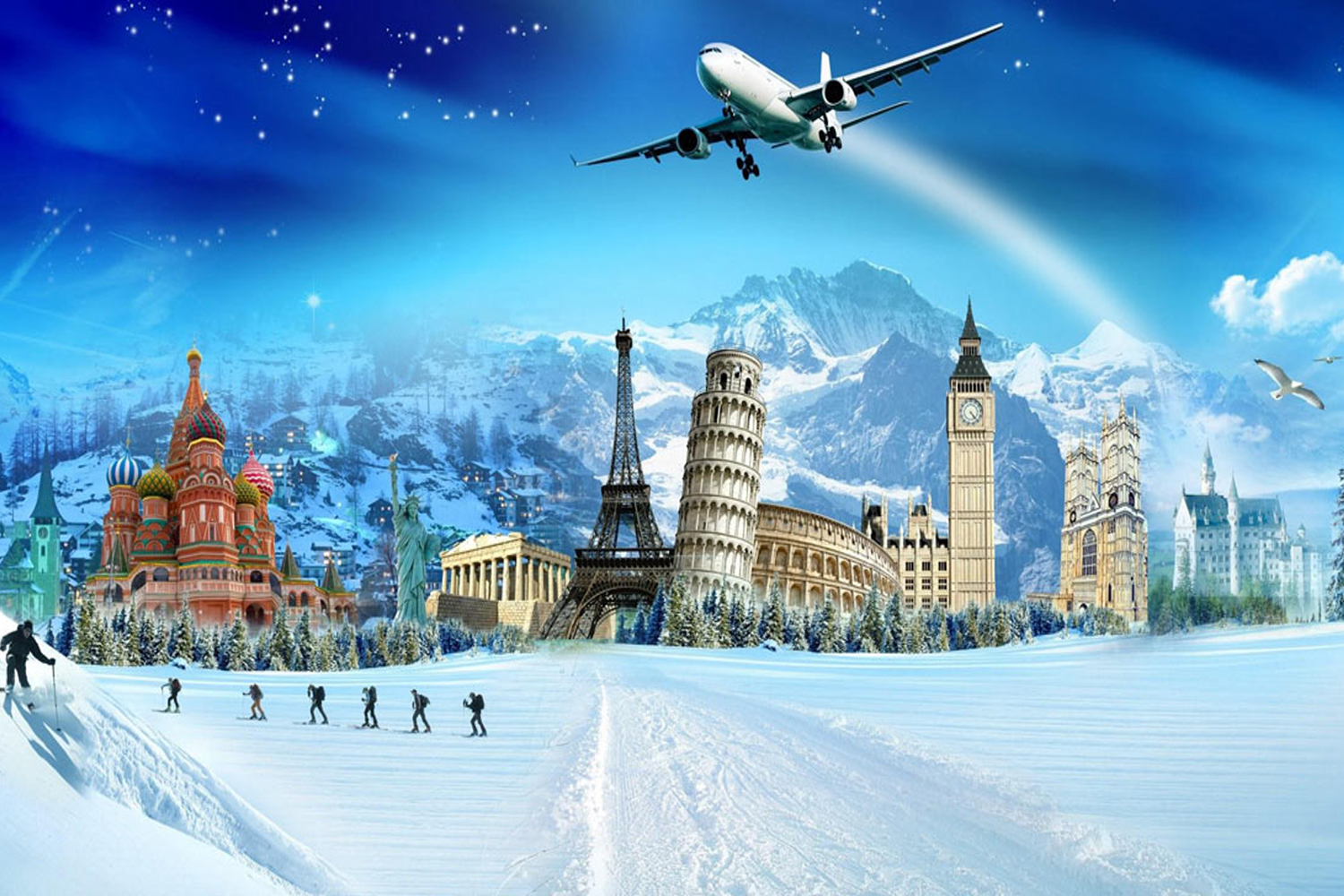



Tourism is one of the ways people discover the world beyond their daily routines. It introduces travellers to unfamiliar landscapes, cultures, cuisines, architecture, history, and ways of life. For destinations, tourism can create employment, support small businesses, encourage cultural preservation, and bring investment to communities that may have limited economic alternatives.
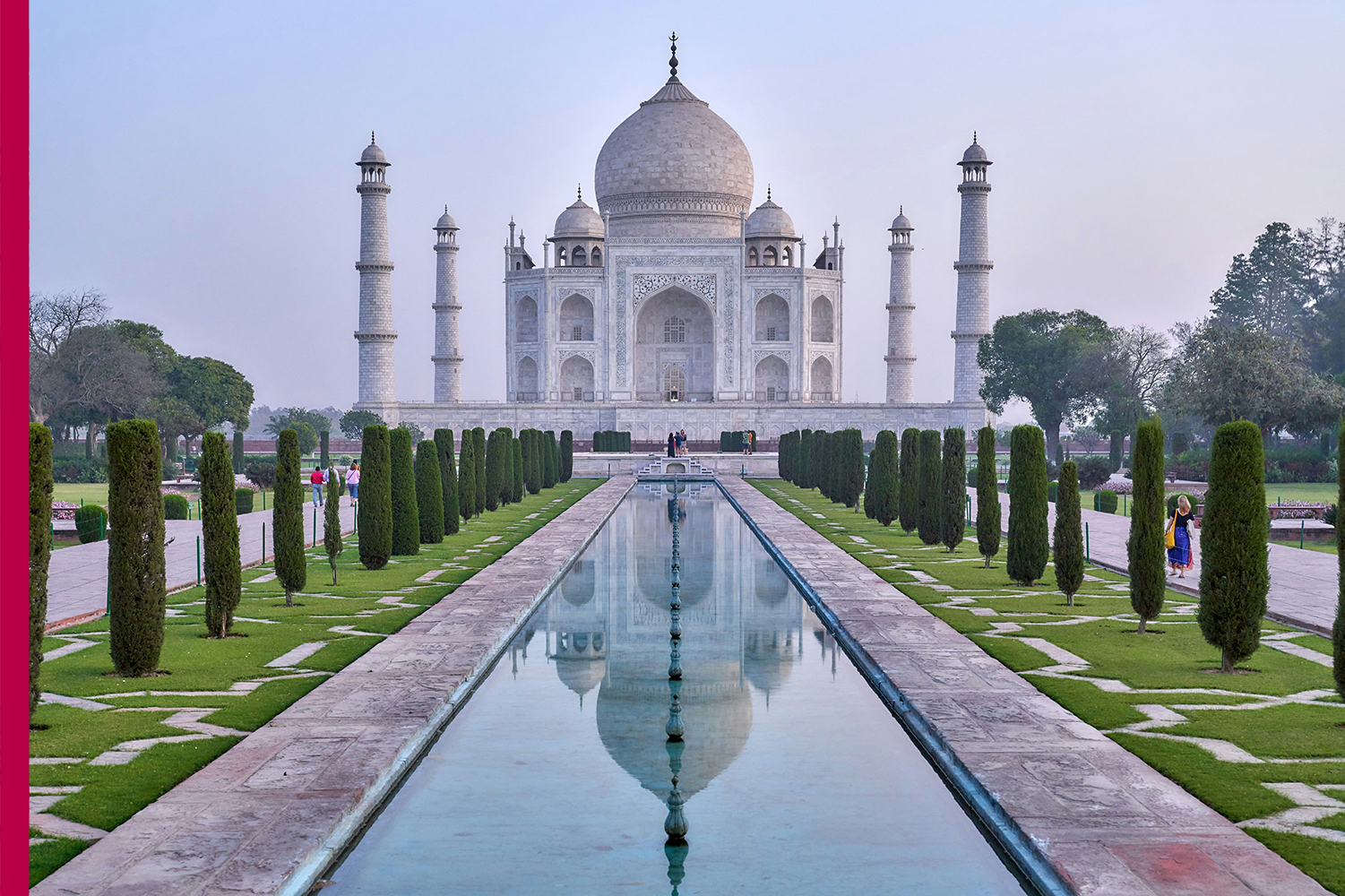
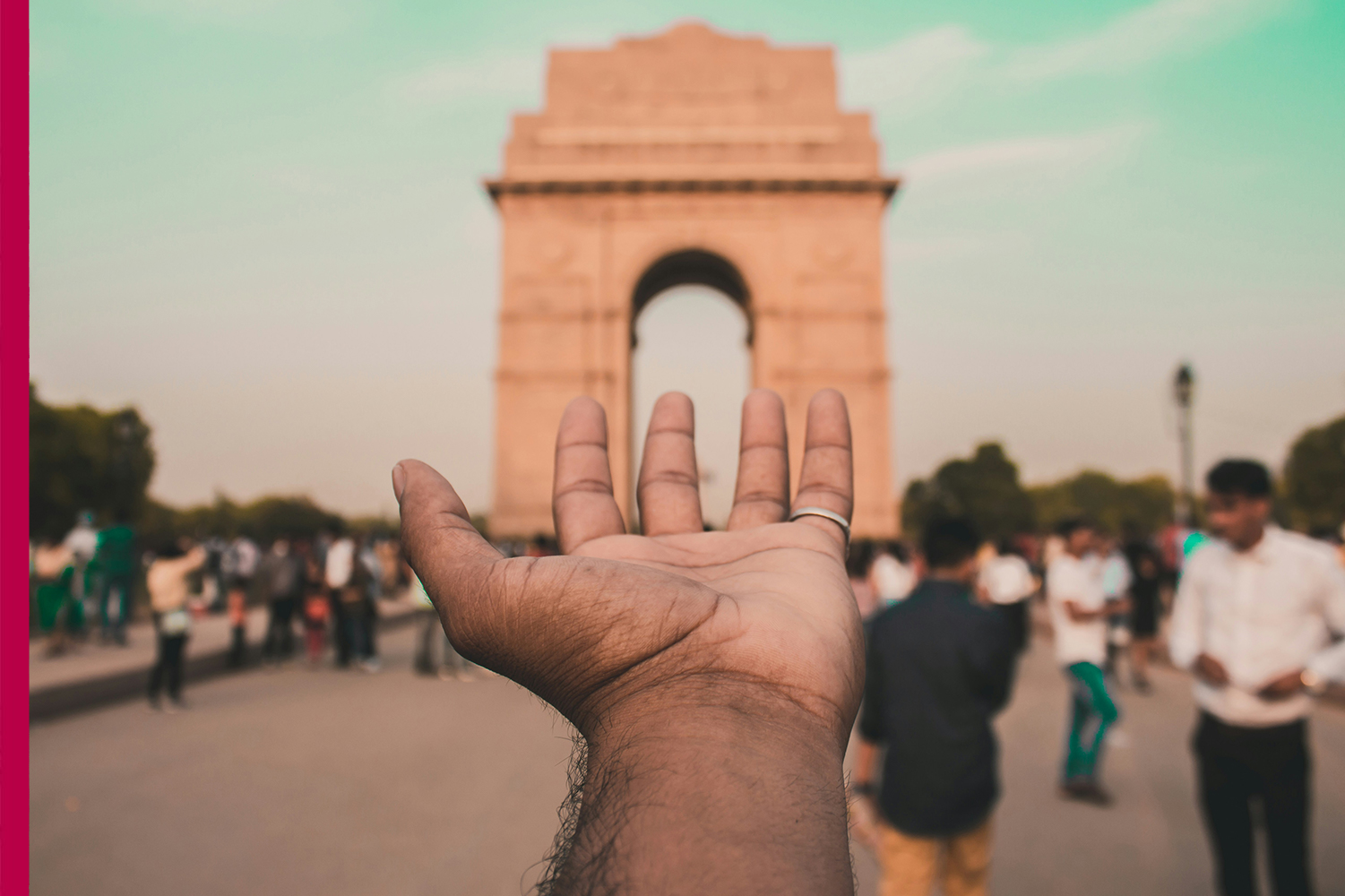
India has an exceptional range of tourism experiences. Heritage cities, coastal destinations, mountain regions, wildlife areas, pilgrimage centres, wellness retreats, and rural communities offer different reasons to travel. The challenge is to turn this diversity into a consistently positive visitor experience while protecting the natural and cultural assets that make destinations distinctive.
Official figures released by India’s Press Information Bureau ahead of World Tourism Day in September 2026 highlighted the sector’s economic significance. Domestic tourist visits reached 428.55 crore in 2025, while foreign tourist visits reached 2.53 crore. Tourism contributed an estimated 5.22% of GDP and supported 8.46 crore jobs in 2023–24, according to the release. These figures show the importance of tourism not only to hotels and transport providers, but also to guides, artisans, restaurants, local retailers, and community enterprises.
Technology is changing how travellers plan and experience their journeys. Online booking, digital payments, mapping services, and traveller reviews have made it easier to compare options and organise trips. Artificial intelligence is beginning to support personalised recommendations, itinerary planning, multilingual assistance, and customer service. India’s World Tourism Day 2026 agenda highlighted this digital transformation and included plans for initiatives such as a National Digital Tourism Stack to improve the discoverability and accessibility of tourism offerings.
However, technology cannot replace the foundations of a successful destination. Visitors need safe transport, clean public spaces, reliable accommodation, clear information, accessible facilities, and effective emergency support. Digital platforms can help travellers discover a location, but the quality of the experience depends on what they encounter after arrival.
Recent travel-market reporting also points to strong seasonal demand. The Economic Times reported in October 2026 that bookings were increasing despite higher airfares, with accommodation prices expected to rise substantially around the post-Diwali travel period. Its analysis of properties across 13 Indian destinations indicated that average mid-scale hotel rates could rise by nearly 27% compared with the pre-Diwali period. While higher rates may benefit accommodation providers, they can also make travel less affordable for some visitors.
Managing demand is therefore important. Popular destinations can experience congestion, waste, pressure on water supplies, and damage to sensitive environments. Better visitor management, investment in public infrastructure, responsible tourism practices, and promotion of lesser-known destinations can help distribute benefits more evenly.
Local communities should be active participants in tourism development. Small businesses, cultural practitioners, farmers, craftspeople, and local guides can provide authentic experiences while retaining more economic value within the destination. Their participation also helps ensure that tourism respects local customs and community priorities.
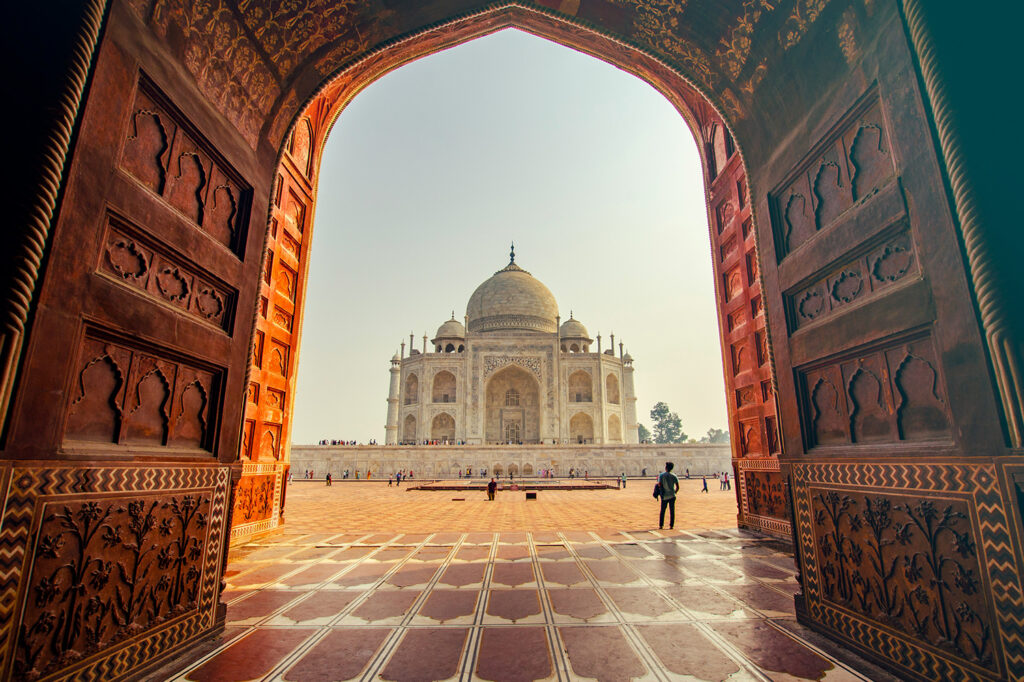
Sustainability is essential to the sector’s long-term success. Responsible water use, waste management, energy efficiency, wildlife protection, and respect for heritage sites help preserve the resources on which tourism depends. Businesses can contribute through thoughtful operations, while travellers can support local enterprises and follow destination guidelines.
Tourism also requires skilled people. Hospitality professionals, guides, destination managers, transport operators, digital marketers, and conservation specialists all influence visitor satisfaction. Training and professional development can improve service standards while creating stronger career pathways.
The future of Indian tourism will depend on balancing growth with quality. More visitors can create economic opportunities, but the most valuable destinations are those that remain welcoming, distinctive, and resilient over time.
Tourism succeeds when travellers gain meaningful experiences and communities gain lasting benefits. By combining digital innovation with cultural respect, sustainable planning, and dependable service, India can build a tourism sector that creates opportunity while safeguarding the places and traditions that make its destinations worth discovering.