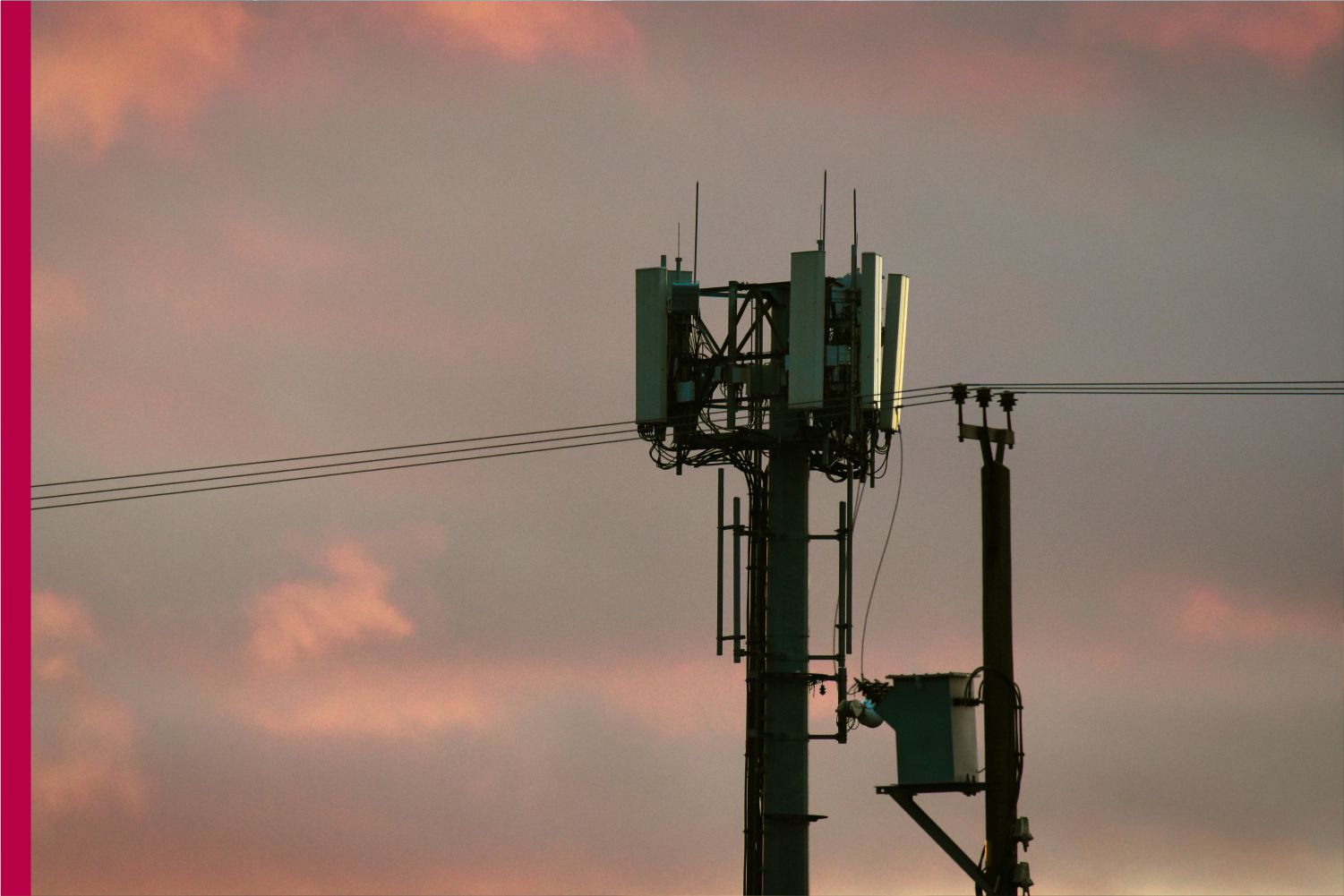




Telecommunications has become one of the essential foundations of modern life. It connects families, enables businesses to operate across distances, supports digital payments, delivers entertainment, and allows public services to reach people through mobile devices. As more activities move online, the quality and reliability of communication networks increasingly influence economic participation.
India’s telecom sector has undergone a major transformation through wider mobile access, affordable data, expanding broadband, and the rollout of 5G. The next stage is not simply about offering faster connections. It involves extending reliable coverage, improving indoor connectivity, supporting enterprise applications, and building the infrastructure needed for future technologies.
Recent figures illustrate the scale of network adoption. The Economic Times reported on 30 October 2026 that Reliance Jio’s 5G subscriber base had reached 300 million, while its home broadband connections increased to 30 million. The figures demonstrate the growing importance of mobile and fixed connectivity as households and businesses rely on digital services.
For consumers, stronger networks can improve video calls, streaming, online learning, remote work, and access to digital services. For businesses, reliable connectivity supports cloud applications, connected equipment, inventory systems, and real-time coordination. In sectors such as manufacturing, healthcare, transport, and agriculture, network performance can influence the reliability of increasingly digital operations.
However, network expansion involves substantial investment. Telecom operators must fund spectrum, radio equipment, fibre backhaul, towers, power, maintenance, and customer support. They must also balance capital expenditure with pricing pressure and the need to maintain service quality. Infrastructure sharing and more efficient network management can help operators use resources more effectively.
The policy environment is evolving alongside technology. On 30 October 2026, reporting by The Economic Times highlighted proposed Telecom Regulatory Authority of India guidance on responsible artificial-intelligence use in telecom networks. The proposals included board-approved AI policies, risk classification, and incident reporting. Such measures reflect growing attention to the way automated systems are used in critical communications infrastructure.
AI can help operators predict network congestion, identify faults, manage energy consumption, and improve customer support. Yet automation must be governed carefully. Errors in systems responsible for network management or customer data can have widespread consequences. Operators need robust testing, clear accountability, cybersecurity controls, and appropriate human oversight.
The future of telecom also includes research into 6G, satellite connectivity, and new network architectures. These developments may eventually support more advanced industrial applications and improve coverage in difficult-to-reach locations. However, their practical value will depend on standards, spectrum policy, affordability, infrastructure, and the services that emerge around them.

Consumer protection remains essential. People need clear information about plans, service limitations, billing, privacy, and complaint procedures. On 2 November 2026, The Economic Times reported that new TRAI rules would introduce penalties of up to ₹20 lakh per quarter per telecom circle for certain complaint-redressal failures. The rules also require complaint centres to operate around the clock with human representatives available. The development highlights the importance of accountability alongside network expansion.
Connectivity is not complete simply because a signal reaches a location. People must be able to afford the service, understand how to use it, and trust that it will work when needed. Rural communities, small businesses, and underserved households must remain part of the industry’s long-term planning.
Telecom’s next chapter will be shaped by the balance between coverage, capacity, innovation, affordability, and service quality. The most successful networks will be those that connect people reliably while enabling new opportunities across the economy.
A connected future is ultimately about more than infrastructure. It is about making communication dependable enough that people and businesses can use it to learn, work, create, and participate fully in an increasingly digital world.